
Thickener Control Articles & Analysis
5 articles found
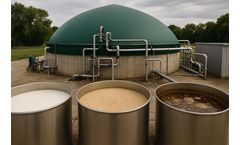
However, real-world dairy operations often face variable waste streams with high fat and suspended solids, which can lead to unstable biogas production, inefficient solids handling, and reduced process stability. What Is Recuperative Thickening? Recuperative thickening is a retrofit designed to improve microbial biomass control within existing ...

Sludge Treatment Process The sludge treatment process incorporates these four stages: 1. Sludge Thickening One way to help control sewage sludge is to thicken it. This can help control the flow of semi-solid fluid, reduce its overall volume, and make the material easier to process. Before sludge thickening ...

Current thickener control is based on the operator conducting manual bed level reading every four hours. ...

Sludge management accounts for approximately 60% of the total wastewater treatment plant expenditure and laws for sludge disposal are becoming increasingly stringent, therefore much consideration is required when designing a solids handling process. A membrane thickening aerobic digestion process integrates a controlled aerobic digestion process with ...
Biomass accumulation is a load-limiting factor in the operation of biofilters used for air pollution control. As the biofilm thickens, portions at the base are no longer exposed to contaminants and oxygen and, thus, provide no treatment. ...