
Refine by
Thickness Inspection Articles & Analysis
17 articles found
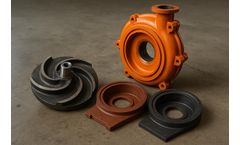
Abrasion: solids grind against surfaces, causing material loss on the impeller, volute, and liners, reducing thickness and changing clearances. Corrosion: reactive or chemical components weaken materials, amplifying wear and making surfaces more vulnerable to abrasion. ...
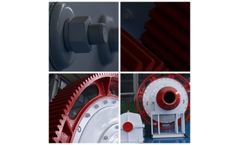
Inadequate Maintenance Failure to inspect liners regularly may result in unexpected damage. Monitoring wear patterns allows operators to plan liner replacement before performance declines. Maintenance Tips for Rod Mill Liners To extend the service life of a rod mill liner, operators should follow these best practices: Conduct regular visual inspections Measure ...
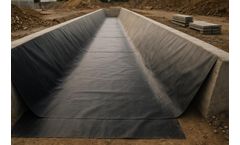
The dual-layer approach of HDPE liner plus composite mat enhances performance against seepage and subgrade moisture intrusion.Broader geosynthetics in infrastructurePavement reinforcement: geogrids and geotextiles beneath concrete pavements distribute loads and reduce cracking, with evidence suggesting pavement life extension of 20–40% when properly designed and installed.Soil stabilization: ...

Neglecting to lubricate these areas can lead to increased friction, metal fatigue, and eventually joint seizure.Daily inspections should target high-movement zones: the bucket arm hinges, tilt cylinder pins, and the quick-attach couplings. ...

Choosing the right geomembrane and geomembrane manufacturer for your construction project involves several considerations, including geomembrane application, environmental conditions and the specific requirements of the geomembrane project. Geomemebranes are geosynthetic materials used in civil engineering, usually thin films made of materials such as high density polyethylene (HDPE), low density ...

The most common methods for monitoring asset integrity as it relates to corrosion are inspections, such as ultrasonic thickness (UT) testing or in-line inspections, and corrosion assessments, such as cathodic protection surveys. While inspections often give the best picture of remaining wall thickness and any ...
For nondestructive testing (NDT), industries are increasingly adopting the use of phased array ultrasound testing (PAUT). It is replacing other conventional ultrasound and radiographic NDT methods with its high flaw detection and accurate measurement capabilities. For industries like aerospace, power generation, pipeline services and more, phased array ultrasound testing provides many ...
The enormous pressure that the wheels are constantly under means that wheels are ripe for encountering flaws. Their thickness must be inspected routinely to make sure that the wheel can withstand the stress. ...
Nondestructive testing (NDT) plays a vital role in most industries. NDT in the oil and gas industry is critical for both the integrity of equipment and the safety of petroleum refining and extraction operations. Keeping potentially hazardous chemicals and fluids safely contained within pipes and pressure vessels means careful inspection of welds and metals for flaws and corrosion using ultrasonic ...
Ultrasonic testing, in particular, allows ship owners to more effectively map corrosion and measure hull thickness than visual inspections. The primary benefit is the ability to image the interior of the hull, which no visual inspection can achieve. ...
With the increased use of turbines also comes the need to draft regular inspection procedures that can detect defects on a profound level. There are many components of wind turbines that require regular inspection, such as probing the bearings and gear teeth, or searching for blemishes and pitting. ...
Read more about conductive vs. nonconductive coating thickness measurement inspection tips. Galvanized steel can be successfully inspected using eddy current technology. ...
The following tips can further help analysts enhance and streamline the inspection process for the best possible results. Tips for Conductive Coating Thickness Measurements Since conductive coats can be applied in laminate, spray, or paint form, they are ideal for retrofitting or upgrading aircraft without replacing the material. ...
In general, the detection sensitivity of the inner wall defect is lower than that of the outer wall. The drawback of thick-walled tubing is that it cannot be detected using an externally wound coil. 2) Interpolated coil The interposer coil is a coil placed inside the tube for inspection. It is used to inspect the defects of ...
Motor vehicle manufacturers have a moral, legal, and financial duty to inspect the quality of their products well before they arrive at the dealership. ...

These tools can also determine if there are erosion voids or sinkholes beneath the roadway, delaminations (horizontal cracking caused by rusting rebar), water or sewer leaks that may saturate the supporting soils., separation of asphalt from concrete, as well as pavement thickness for contractor quality inspection. For a complete solution IR-EPA and GPR can be ...
Quality Control 1. Inspection before production · Raw material inspection including, destructive and non-destructive testing of hot rolled steel coils, electrode, welding flux and coating materials. · Visual inspection of raw material including, hot rolled steel coils, electrode and welding flux. · ...