
Refine by
Timber Industry Articles & Analysis
37 articles found

For decades, wood waste has been viewed as an unavoidable expense in industries such as timber processing, furniture manufacturing, and construction. ...
Charcoal production is a vital industry with diverse applications, ranging from fuel to soil enhancement. ...
Introduction Sawmills play a pivotal role in the timber industry, yet they generate substantial waste that demands efficient management. ...
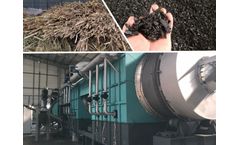
In regions with a thriving sugarcane industry, bagasse can be the golden ticket to sustainable carbonization. ...
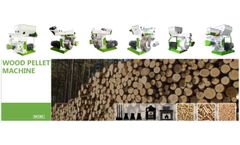
wood pellet mill germany 3. Advantages of sawdust timber pellet mill. In the power industry, conventional power sources such as coal and also natural gas are limited and not eco-friendly, while biomass power not only has a wide variety of resources, but additionally can be reused. ...
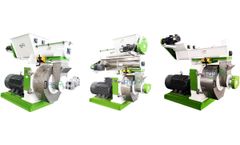
The rise of the biomass energy industry is directly pertaining to environmental pollution as well as power usage. ...

American made timber pellet mill is a sort of mechanical equipment specializing in the manufacturing of biomass fuel pellets. ...
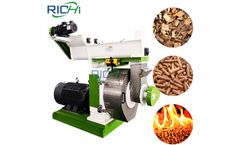
Making use of commercial wood pellet mill. The industrial timber pellet mill is a good gadget that can make sawdust power. ...
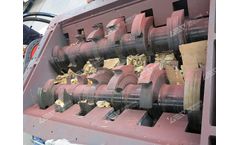
AIShred specialises in the design and manufacture of shredding equipment that effectively and reliably reduces the size of waste materials including C&I Waste, C&D Waste, heavy timber, MSW, industrial waste and hazardous waste. They are one of the world’s leading suppliers of shredders for the waste handling industry. ...

Timber pellet mill for sale is a brand-new type of devices for creating biomass pellets. ...
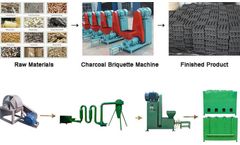
The seed husks and plant stalks you throw away can help bridge the deficit in energy supply if properly utilized. The second is the timber industry. By-products of saw mill, paper mill and logging operations such as sawdust are left to go to waste. ...
Today there are a number from the larger-scale industries which use these appliances for producing pellets from various materials like saw dust, coconut shells and straw. ...
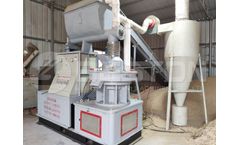
Today there are numerous of the larger-scale industries which use these machines for producing pellets from various materials like saw dust, coconut shells and straw. ...

Everyone is talking about digitalisation, Industry 4.0, environmental protection, and 5G. Modern manufacturing facilities around the world are therefore striving to implement reliable quality control for their incoming and outgoing goods. To remain competitive with their products on the international market, optimising production is becoming increasingly important for various ...
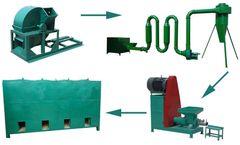
Wood sawdust is a kind of biomass from the wood and timber industry, which is the commonest typical biomass waste. Sawdust briquette machine is the popular equipment to make mechanism charcoal. ...
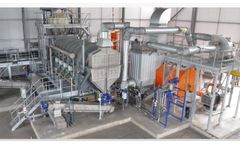
Industries concerned: Pharmaceutical Industry, Pesticides Producers, Iron and steel industry, Wood Industry, Plastic industry, Timber industry, Food industry, Paint, varnish and lacquer industry, Livestock industry, Cosmetics ...
ByENVEA

Industries concerned: Pharmaceutical Industry, Pesticides Producers, Iron and steel industry, Wood Industry, Plastic industry, Timber industry, Food industry, Paint, varnish and lacquer industry, Livestock industry, Cosmetics ...
ByENVEA

They help with carbon fixing, nitrogen fixing, and nutrient recycling, while they preserve coastlines from constant battering from waves and storms. The fishing industry relies heavily on reefs because many fish spawn and grow there before braving deep water. The tourism and recreational industries also rely on them as areas for sport fishing and scuba diving. ...
They help with carbon fixing, nitrogen fixing, and nutrient recycling, while they preserve coastlines from constant battering from waves and storms. The fishing industry relies heavily on reefs because many fish spawn and grow there before braving deep water. The tourism and recreational industries also rely on them as areas for sport fishing and scuba diving. ...

Despite these considerations, wood remains widely used in the building industry, especially in the Formwork sector. Timber Formworks, in addition to the above mentioned environmental issues, have some disadvantages: They are slow to erect and dismantle; Not more than 20 or 30 usages are allowed; Skilled labor is required; They suffer moisture; Job-site ...