
Refine by
Tire Pyrolysis Articles & Analysis
972 articles found

In the world of waste management and resource recovery, pyrolysis has become one of the most promising technologies. By thermally decomposing waste tyres and plastics in an oxygen-free environment, pyrolysis produces valuable outputs like tyre oil, carbon black, steel, and combustible gas. However, not all pyrolysis systems are created equal. The choice between batch and continuous reactors often ...
The increasing accumulation of discarded tyres has intensified pressure on waste management infrastructures worldwide. Landfilling and open-air incineration remain environmentally detrimental due to long degradation periods, toxic emissions, and soil contamination risks. Under these circumstances, pyrolysis technology has emerged as a strategic solution capable of converting tyre waste into ...
Operational Advantages of Continuous Pyrolysis Technology A fully continuous tyre pyrolysis plant operates through the thermochemical decomposition of waste tires under oxygen-deficient conditions. ...
For any industrial process, continuous, stable, and long-duration operation is the holy grail of efficiency and profitability. In the world of thermal conversion, particularly in continuous pyrolysis reactors, one of the most pervasive and damaging threats to this goal is reactor coking—the buildup of hard carbonaceous deposits known as coke inside the reaction chamber. This insidious process ...
One of the most prominent applications of pyrolysis technology is in waste tire management, where waste tire pyrolysis equipment plays a vital role in converting end-of-life tires into usable products like fuel oil and carbon black. ...

On October 28, 2025, Mingjie Group completed the shipment of three sets MJ-15 pyrolysis equipment for sale to Romania. We equip these pyrolysis machines with condensation systems, advanced exhaust systems, and control systems. ...
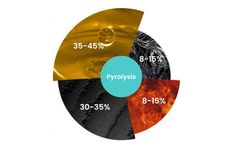
A waste tyre pyrolysis plant converts discarded rubber materials into valuable secondary resources through thermochemical decomposition. Operating under an oxygen-limited environment, this process separates complex hydrocarbon chains into fuel oil, carbon black, and combustible gas. Each output possesses distinct physicochemical characteristics and serves a specific role in industrial energy ...
It can process 1-2 tons of waste tires a day. Quick installation: After the small pyrolysis machine is transported to the site, it only needs simple installation and commissioning. This shortens the construction period (from several months to 1-2 weeks). Small Pyrolysis Machine Application Small pyrolysis machines can process a ...

What raw materials can be processed by pyrolysis equipment? Pyrolysis equipment can process a variety of organic waste, mainly including: waste tires, waste plastics (PVC\PET are not suitable), oil sludge and paint residue, biomass, etc. ...
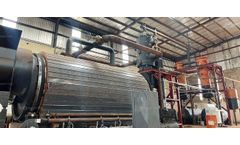
This economic incentive not only enhances project bankability but also reinforces the environmental value of pyrolysis-based recycling systems. Emission Reduction Through Waste Diversion Every ton of end-of-life tire diverted from landfilling or open burning prevents significant greenhouse gas emissions. ...
Tire pyrolysis has garnered significant attention in recent years as an innovative solution to the growing problem of tire waste. By heating tires in the absence of oxygen, pyrolysis converts them into valuable products such as oils, gases, and solid carbon black. ...
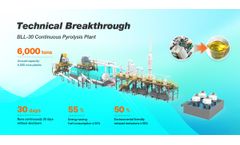
The continuous pyrolysis equipment for plastic, tire, and oil sludge cracking has seen significant advancements in technology that offer improved efficiency, cost savings, and environmental benefits. ...
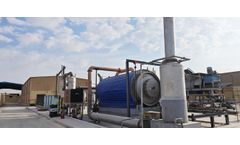
The disposal of end-of-life tyres poses a significant environmental challenge. These non-biodegradable materials accumulate in landfills, leach toxins, and often become sources of uncontrolled fires. A waste tyre pyrolysis machine offers a solution that transforms these liabilities into revenue-generating outputs. Through controlled thermal decomposition in an oxygen-free environment, tyre ...
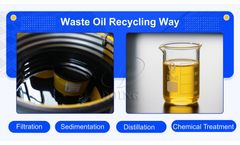
Below are its main uses: Resource Recycling Production of diesel fuel: Waste oil distillation equipment can convert waste oils such as used engine oil, crude oil, tire pyrolysis oil, and plastic pyrolysis oil into diesel fuel. The produced diesel is typically light yellow and can be used in burners, generators, engines, trucks, construction ...
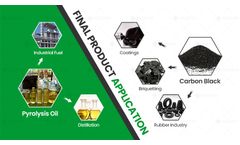
As the number of cars in the world continues to increase, the disposal of waste tires has become a problem. Tire pyrolysis plants are industrial equipment specifically used for the pyrolysis of waste plastics and tires. The final products of waste tire pyrolysis and their ...
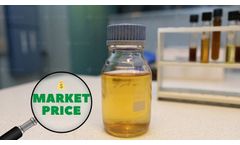
In the process of waste tire pyrolysis, we can finally get waste tire pyrolysis oil and carbon black. ...
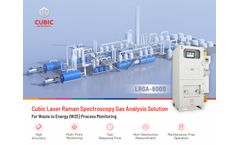
Background: Turning Waste Tires into Valuable Resources An environmental company in Guangzhou, China, operates a government-supported waste tire recycling facility with mainly output of carbon black base on its own waste to energy (WTE) technology. The project aims to achieve both environmental protection and economic benefits through the recovery of valuable ...
Pyrolysis, a thermochemical decomposition process, has emerged as a leading method for recycling these bulky, difficult-to-dispose-of tires. ...
The plants are designed to handle a wide range of waste types, including plastics, rubber, tires, and organic biomass. This versatility makes Beston’s pyrolysis plants ideal for addressing diverse waste management challenges across various industries. ...
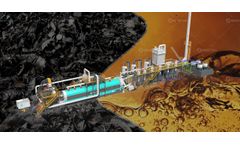
Among various methods for tire recycling, tire pyrolysis and tire shredding stand out as the two most widely adopted techniques. ...