
Refine by
Toxic Exposure Articles & Analysis
217 articles found
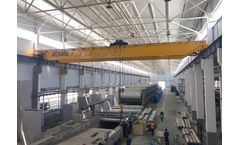
Traditional manual or cabin-operated overhead cranes often place operators at risk due to exposure to toxic substances, explosive atmospheres, extreme temperatures, or other dangerous conditions. ...

Among these, hair samples are particularly valuable because hair grows at a relatively constant rate and can reflect long-term exposure trends. By examining the concentration of heavy metals in hair segments corresponding to different growth periods, it is possible to estimate the timing and duration of toxic exposure. ...
Abstract Urine is a readily accessible biological fluid and plays a crucial role in clinical monitoring and assessment of heavy metal exposure and toxicity. By analyzing trace metals in urine, healthcare professionals can quickly obtain vital information regarding a patient's exposure level, absorption, and potential health risk associated with ...

Soldering in Electronics Manufacturing Soldering is a critical process in electronics manufacturing and various soldering methods are used to join components on circuit boards with precision. However, the process of soldering also leads to generation of potentially harmful fumes that are released from the solder and flux. Soldering fume extractors can help to capture and control the fine ...

It is estimated that every 30 seconds, somewhere in the world, one worker dies as a result of exposure to toxic chemicals, pesticides, radiation and other hazardous substances.1 The effects of exposure can develop quickly or take years to develop, leaving workers vulnerable to asthmatic and allergic reactions and longer-term illnesses such as ...
ByCasella
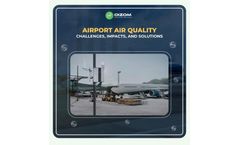
Nitrogen Oxides (NOx): Contributes to ground-level ozone (smog) and worsens air quality around airport terminals and taxiways. Carbon Monoxide (CO): A toxic gas that affects oxygen transport in the bloodstream, posing health risks to airport workers in high-exposure zones. ...

When oil sludge is carelessly dumped into landfills, rivers, or oceans, it can lead to soil and water contamination. The toxic chemicals in the sludge can seep into the ground and affect groundwater, making water unsafe for drinking or agricultural use. ...

• Protect Public Health – Reducing pollution prevents respiratory illnesses, waterborne diseases, and toxic exposures.• Preserve Natural Resources – Sustainable use of water, land, and air ensures resources for future generations.• Reduce Legal and Financial Risks – Companies face fines, legal action, and reputational damage for non-compliance.• Enhance Business ...

In addition to understanding stress responses, lipidomics is instrumental in contaminant exposure studies and toxicity evaluations. Changes in lipid compounds can serve as sensitive indicators of an organism's response to environmental pollutants. By analyzing lipid metabolites, researchers can elucidate the toxic effects of foreign substances at ...

In contrast, TK studies are the pharmacokinetic aspects of toxins or toxicants and are structurally similar to PK studies. However, they substantially concentrate on the potential adverse effects of chemical exposure. ...
However, the combustion of plastics releases a cocktail of toxic gases and pollutants into the atmosphere, posing grave consequences for air quality and public health. ...
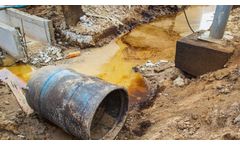
Significant updates since the last revision include: New DTSC-SLs for various analytes due to updates in the USEPA RSL tables and changes in toxicity criteria. Modifications in soil DTSC-SL values for specific compounds resulting from changes in USEPA’s chemical-parameter values and toxicity criteria. Updated values for tap water and ambient air DTSC-SLs ...

A minor inaccuracy can lead to serious consequences, including health complications or even fatalities due to undetected gas leaks or exposure to toxic gases. FULL CALIBRATION A full calibration is a more comprehensive procedure needed to maintain your gas monitor’s accuracy to the highest degree. ...
ByJXCT

A fume hood is an important part of any laboratory that works with harmful particles, vapors, or chemicals. Fume hoods limit exposure to toxic gasses by pushing the contaminated air outside or filtering the particles through a filter and recirculating clean back into the laboratory. ...
Ventilation equipment may also be necessary to maintain adequate oxygen levels. Toxic Substances The risk of exposure to toxic substances is a grim reality in confined spaces. ...
OSHA and NIOSH are safety organizations that offer guidelines for safe levels of different gases. Exposure to toxic gases for a long time can lead to serious health problems or even death. ...

Fume Hoods and Biological Safety Cabinets The primary purpose of a chemical fume hood is to protect the user by limiting exposure to hazardous or toxic fumes and vapors. A fume hood continuously moves contaminated air away from the operator and pushes it outside through the exhaust system of the building. A fume hood is large, durable, and filters the air to ...
Oxygen deficiency or hypoxia is a condition with a shortage of oxygen. Oxygen is vital for the survival of life on Earth. Our bodies cannot survive for more than 10 minutes without oxygen. Oxygen deficiency is caused by temperature, humidity, pollutants, and confined spaces, but these are not the only reasons behind this situation. When there is an increase in carbon dioxide levels than oxygen ...

Managing a successful emissions control program at your petroleum facility is no easy task, especially with the endless list of rules and regulations specific to this industry. Read this guide on understanding LDAR requirements for refinery operations to ensure better compliance and overall business performance. ...
Employees who go into confined spaces for work on a daily basis face the risk of exposure to airborne toxins that can cause injury or even death. These confined spaces, which are commonly present in chemical factories, processing plants, paper mills, utility corridors, and underground coal mines, may contain air that is oxygen-deficient or polluted with toxic and ...