
Refine by
Toxicity Testing Articles & Analysis
425 articles found

As a type of industrial glass, automotive glass is subject to strict testing for toxic and hazardous substances. These substances maybe introduced during the manufacturing process or exist in the final product, making their detection an essential part of quality control and safety assessment. The testing of industrial glass involves both heavy ...
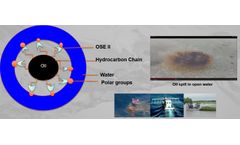
Bio-remediation technology adopting a unique bio catalyst system of multi enzyme liquid concentrate, Oil Spill Eater II (OSE II), developed by Steven Pedigo. The technological process is schematically explained in the following ...

These polymers are designed to degrade into non-toxic byproducts in the body, minimizing the risk of adverse reactions and ensuring safe clearance from the system. ...

· Drug Screening & Toxicity Testing – Patient-derived organoids aid in high-throughput drug screening and predictive toxicity evaluations while advancing precision medicine strategies. ...

For instance, larger animals such as dogs or pigs are often preferred in the study of cardiology, while zebrafish provide a rapid assessment of pharmacokinetics and toxicity. Phases of Drug Screening Drug screening typically unfolds in several key phases: Preclinical Testing: Before any drug can enter human trials, it undergoes extensive preclinical ...
Primary cells more accurately reflect the cellular responses seen in a living organism, making them invaluable for toxicity testing, pharmacological studies, and understanding disease processes. ...
All of our work here at Aquafix is guided by our mission statement: “Safer water and better lives through pioneering biosciences.” In line with this mission, we have conducted and are continuing to conduct numerous studies involving quaternary ammonium cations (QACs or quats) and their toxicity concerning wastewater microorganisms, in both aerobic and anaerobic processes. Past studies ...

The inspection items of Antibody-Drug Conjugates (ADCs) usually include a series of tests to evaluate the quality, stability, efficacy, and safety of ADCs. ...

Biocompatibility testing evaluates the effect of a medical device on human tissues to determine whether it can cause biological reactions such as toxicity, physiological, immune, or mutation. ...

The use of natural polymers in water treatment is becoming increasingly popular because of their numerous advantages. These advantages include biodegradability, sustainability, and competitive cost. But what are the Regulatory Aspects of Natural Polymers in Water Treatment? The regulatory landscape surrounding the use of natural polymers in water treatment varies considerably by region, country, ...
One of the first steps in drug development and toxicity testing is creating cell models on which to evaluate the effects of chemical compounds on cellular, molecular and biochemical processes of interests. ...

Cancer detection: Nano-flow cytometry is being used by researchers to create new blood tests that can identify cancer cells in their earliest stages. As an illustration, scientists at the University of California, Los Angeles have created a brand-new blood test that can find circulating tumor cells (CTCs) in people with early-stage lung cancer. ...
They provide a cost-effective and efficient platform for testing the efficacy and toxicity of potential therapeutic agents. By exposing these cells to various drug candidates, scientists can evaluate their effects on cellular viability, proliferation, and specific molecular pathways. ...
In addition, excessive binding of FcRn can cause ADCs to return to the extracellular circulation, increasing exposure in healthy tissues, which not only limits the release of intracellular payloads but may also cause off-target toxicity. FcγR cross-reacts with endothelial cells and the immune system, and may also cause off-target toxicity. ...

For example, pharmaceutical researchers can use enzymes to test the activity and toxicity of new drugs. This can be done by measuring the reaction rate of the enzyme. ...

The truth is that the EPA requires the administration of a Toxicity Characteristic Leaching Procedure (TCLP) test to determine if a waste is hazardous or non-hazardous. Landfills require copies of these tests, or perform their own TCLP testing for acceptance of a particular waste stream. Blastox® has consistently passed thousands ...

(MAI) offers a full range of environmental services including Wet Chemistry, Microbiological and Aquatic Toxicity testing as well as analytical testing services for drinking water, waste water, storm water, metals testing, soil testing, volatile organic compounds (VOC’s) testing, hazardous ...
Axine Solution Benefits Eliminates bottlenecks associated with off-site trucking & disposal Provides the site with operational flexibility to accommodate future expansion Onsite service model reduces opex costs vs. offsite incineration Eliminates 20,000 miles/yr of trucking & 1.7 million Ibs/yr of waste Test Methodology Before entering into a service ...

It is in fact possible that formation of ice within cells, usually caused by excessively rapid cooling, and the rising concentrations of toxic solutes, mainly due to a slow cooling procedure, may in fact cause damage to the samples. ...
With its RepliGut® in vitro human intestinal model, Altis Biosystems is developing a system that could help pharma companies identify GI toxicity issues early in the drug development process. GI Toxicity Challenges Gut toxicities are fairly prevalent, comprising five of the top 12 adverse events of approved drugs. ...