
Refine by
Trace Oxygen Articles & Analysis
27 articles found
Catalyst deactivation studies are central to maintaining efficiency in industrial chemical processes, including petroleum refining, petrochemical production, syngas and hydrogen manufacture, environmental catalysis for emissions control, and large-scale chemical synthesis such as ammonia and methanol production. Over time, catalysts lose activity due to carbon deposition, sulfur poisoning, and ...

Whether in pharmaceuticals, energy, materials science, or environmental monitoring, gas analysis enables high-performance research outcomes. From monitoring trace oxygen in glove boxes to multi-gas measurements during material processing, Cambridge Sensotec provides a range of gas analysers engineered specifically for R&D ...
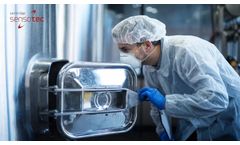
Glove boxes are critical in industries that require a controlled atmosphere for glove box oxygen measurement and safe material handling. Whether used in pharmaceutical laboratories, semiconductor manufacturing, or nuclear facilities, glove boxes provide an isolated, inert environment to protect both products and personnel. Precision gas analysis is vital for maintaining these environments. ...

For manufacturing quality monitoring, Cubic also designed TDLAS technology-based trace moisture sensor and oxygen sensor, to measure the trace content in ultra-high purity gases with high selectivity, high accuracy and excellent reliability. ...
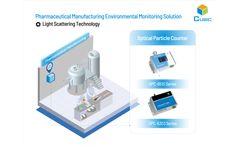
At the same time, to ensure high-quality pharmaceutical products manufacturing, Cubic also designed TDLAS technology-based trace moisture sensor and oxygen sensor, to measure the trace oxygen and trace moisture in ultra-high purity gases to prevent trace content contamination on pharmaceutical ...
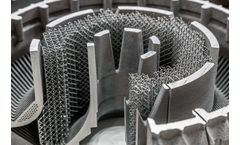
Introduction The world of manufacturing has witnessed a transformative shift with the advent of metal 3D printing. This cutting-edge technology has unlocked new possibilities, enabling the creation of intricate metal components and prototypes with unprecedented precision. However, achieving material integrity in metal printing remains a critical challenge. In this blog post, we explore the vital ...
PureAire Trace Oxygen Analyzers PureAire Monitoring Systems' industry-leading line of Trace Oxygen Analyzers includes products built with both low parts-per-million (ppm), or low percent level O2 sensors, which are designed to operate effectively under continuous inert environments. The Analyzers have remote sensors that are ...
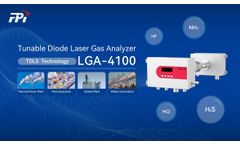
For the purpose of safety operation requests a continuous monitoring of oxygen(O2) and trace carbon monoxide (CO) in each process of coal pulverization, transfer and storage.Challenge of Instrumentation: O2 in the processes rising from 4% to 10%, the warning value, probably takes only 30s. ...
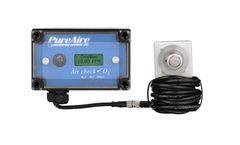
PureAire Monitoring Systems is excited to add its 0-10 parts per million(ppm) Trace Oxygen Analyzer to our full line of Oxygen Deficiency Monitors, Carbon Dioxide Monitors, Toxic Gas Detectors, and LEL Gas Monitors. ...
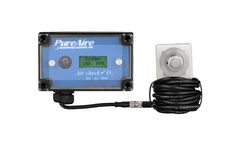
PureAire Monitoring Systems is excited to add its 0-100 parts per million(ppm) Trace Oxygen Analyzer to our full line of Oxygen Deficiency Monitors, Carbon Dioxide Monitors, and Combustible/Toxic Gas Detectors. ...

‘Normal’ air has a composition of 78 % N2, 21 % O2 and 1 % argon alongside other trace gases.2 Of these gases, oxygen, is used the most carefully as it can react with the food, or provide the necessary conditions for the growth of microorganisms that lead to food spoilage.MAP is widely used in the food industry as it offers a way of extending shelf life without ...

Organic feedstock, such as food waste, manure and sewage, is broken down by bacteria using an anaerobic (oxygen free) process. This biogas is then processed and used as a source of energy. ...

The troposphere is the atmospheric layer closest to the Earth’s outer surface contains bulk of the atmosphere’s mass, is the layer in which all weather occurs, and contains the air that we breath.Ambient air is atmospheric air in its natural uncontaminated state, and typically consists of 78% nitrogen, 21% oxygen and other trace gases including... Read ...

The air’s composition is roughly 79% nitrogen and 21% oxygen, with trace amounts of carbon dioxide. Oxygen (O2): This element reacts with diverse types of metals to produce oxides and carbon dissolved in steel to reduce surface carbon content. ...
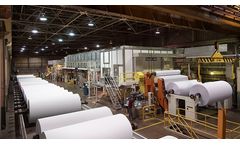
At least 80% of process wastewater from paper making operations include suspended solids, chemical oxygen demand (COD), trace heavy metals, recalcitrant chlorinated organic compounds, biological oxygen demand (BOD), color and bacteria among others.Therefore, paper companies are looking for advanced treatment strategies and methods for the ...
What is Oxygen Deficiency? The air we breathe is made up of 78% nitrogen, 21% oxygen, and trace amounts of other gases such as carbon dioxide, neon, and hydrogen. ...
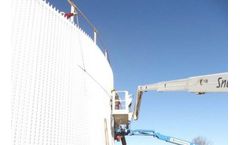
However, biogas can be only be produced in an anaerobic environment without oxygen. This is a very important step in its development, which is why special attention should be paid when selecting the type of tank to store it in. ...

Organic feedstock, such as food waste, manure and sewage, is broken down by bacteria using an anaerobic (oxygen free) process. This biogas is then processed and used as a source of energy. ...

In the manufacturing of the containerised plants, Linde Cryoplants Ltd utilise the Systech Illinois EC923 trace oxygen analyser to monitor the purity of the nitrogen. With 125 years of experience and expertise in the field of cryogenics, Linde Cryoplants is a leading manufacturer of air separation plants. ...
The oxygen analyzer helps ensure that the nitrogen gas has a very low level of oxygen. ...