
Refine by
Turbidity Control Articles & Analysis
27 articles found
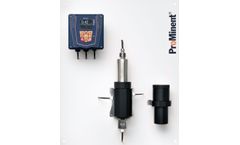
One measurement parameter that is becoming increasingly important in this context is turbidity. In potable water and wastewater processes, turbidity is far more than just a quality parameter: when measured correctly, it serves as an early indicator of deviations and as a control signal for flocculation and filtration. ...
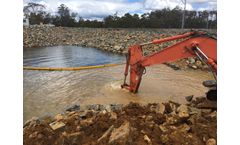
In-water works such as dredging, piling and trenching stir up sediment that can: Smother benthic habitats Reduce water clarity, affecting photosynthesis in seagrass and other plants Transport attached contaminants further afield A properly designed and installed silt curtain creates a controlled zone where turbidity is contained and allowed to settle, ...

Introduction In the industrial dredging sector, Italy has many situations where basin maintenance, sediment removal, and upstream cleaning are vital. These actions ensure operational efficiency, safety, and environmental protection. In this case study, we analyze a Dragflow project in Italy. We highlight the main technical challenges, the chosen technology, the execution, and the final ...
Introduction In modern mining projects, dredging plays a strategic role in sediment management, material recovery, and maintaining plant efficiency. Whether extracting sand, gold, or minerals, or emptying settling ponds, dredging solutions optimize production processes and reduce environmental and operational risks. Today's technologies, based on submersible pumps, electric dredgers, and remote ...

Introduction In the realm of water quality assessment, the concept of turbidity holds paramount importance. Turbidity, often referred to as turbidity water quality, is a key indicator of water clarity and cleanliness. ...
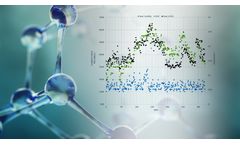
Control of dissolved organics has been one of the highest priority concerns for most water treatment plants for over 20 years. ...

However, the success criteria are usually based on removal of turbidity as standards for conventional treatment plants require turbidity to be less than or equal to 0.3 NTU in 95 percent of measurement. Therefore, turbidity is monitored continuously in many plants and often utilized for coagulation process control ...
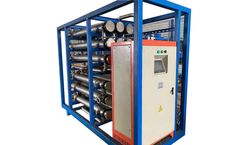
The removal rate of chromium ions by electroflocculation technology can reach more than 95%. (4) Turbidity, suspended solids electro-flocculation technology is very effective for colloidal particles and various impurity particles in water because of its efficient flocculation. ...
ByYASA ET

The Requirements GREEN - The Mandatory color required for the curtain by DIsney in order to avoid obstruction to the aesthetics of the park. 15,000 FEET - The lineal feet of Turbidity Curtain made for Disney World required to meet the specifications of the barrier. 3 WEEKS - The time frame given and completed by BMP on the manufacturing and of the entire custom ...

Under the Street Bylaw 20M88, Section 17(4) - No person shall place, dispose, direct or allow to be placed, directed, or disposed, any Material belonging to that person or over which that person exercises control on a portion of a Street unless authorized to do so. Socks and Donuts Inlet control devices can be installed as a last line of defence from April 15 ...

While “liquid” chitosan acetate is typically injected in the water stream using chemical metering pumps allowing for a relative control of the dose rates (assuming constant flow rate of the intake and no equipment malfunctions), "dry" chitosan is applied in "socks" or belts and is simply installed inside a pipe or a tube. ...

Constituents of concern included atrazine, viruses, turbidity, total organic carbon (TOC), and bromate. Each of these constituents had a potential significant impact on possible treatment processes. HiPOx® CASE STUDY Aquifer Storage Recovery, Wichita, KS Municipal Water Treatment for Reuse OWNER: City of Wichita, KS PROCESS: HiPOx Ex-Situ AOP APPLICATION: Atrazine; High ...

It was found that as the amount of Al-PAMM1 with high molecular weight and aluminum content increased, the initial settling rate of particles accelerated, achieving the maximum 6.6 m/h, 17.3 times the rate of the control without flocculants. The turbidity of the supernatant decreased to 35 ± 2 NTU accordingly, compared to 353 ± 2 NTU of that in the ...
For chemically enhanced primary treatment (CEPT) with microsieving, a feedback proportional integral controller combined with a feedforward compensator was used in large pilot scale to control effluent water turbidity to desired set points. ...
Water treatment processes are required to be in statistical control and capable of meeting drinking water specifications. Control charts are used to monitor the stability of quality parameters by distinguishing the in-control and out-of-control states. ...
The objective of this study was to evaluate the performance of a modified biosand filter (MBSF) with an extra disinfection layer (brass or zero valent iron (ZVI)) and three layers of underdrain in a range of parameters including Escherichia coli, total coliform, turbidity, pH, and dissolved oxygen. On average, a 91.29% reduction (log 1.43) in total coliform, 98.7% reduction (log ...

The dosing control system uses the turbidity and flow signals to adjust the level of dosing in order to suit the conditions of the site. As this is an active way of controlling dosage, the site is able to reduce the chemical usage, which is great for avoiding an overdose that could cause a pollution hazard. Furthermore, this active dosing ...
We’re here to tell you about turbidity sensors being utilised for drinking water, effluent discharges and coagulant controlling. ...

Contribute to the cause of taste and odors, water discoloration, water meter clogging and high turbidity. Chemical control of invertebrates a. Insect larvae: Chlorination as high as 50mg/l with CT of 24 hours has been shown to be ineffective against insect larvae. ...
Turbidity is a very useful tool when regarding control within the primary settlement stage of water treatment. ...