
Refine by
Utilize Waste Heat Articles & Analysis
35 articles found
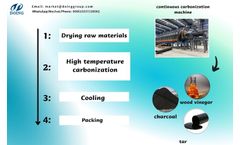
In the process of biomass resource recycling, biomass carbonization technology has garnered widespread attention for its ability to transform waste into high-value energy. Whether it be rice husks, coconut shells, wood chips, or agricultural crop stalks, converting them into biochar with high fixed carbon content requires undergoing high-temperature pyrolysis process. ...
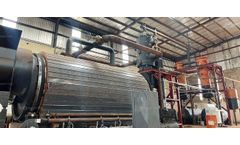
As environmental regulations tighten and voluntary carbon markets expand, facilities that convert waste tires into usable resources are increasingly positioned to generate verified carbon credits. ...

Excessive moisture leads to higher energy consumption, while overly dry feedstock may combust prematurely. A drying system, typically utilizing waste heat from the carbonization process, ensures consistent input quality. ...
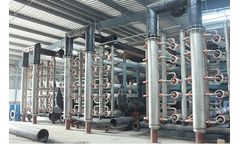
Are you trying to figure out the best seawater purification methods to recommend to a client? It’s a big responsibility with a lot to consider. Every project has different needs, but understanding the pros and cons of the available seawater purification methods is a great place to start. Seawater purification methods are important, especially with growing global water scarcity issues. ...
The spinning industry in Bangladesh is witnessing gigantic investment as local entrepreneurs are either developing their production capacities or setting up new units as the demand for garment raw materials is increasing. Reports state that In Bangladesh, there are almost 500 spinning mills. Huge domestic and foreign demand makes it one of the main branches of the Bangladesh economy. The tough ...
Tyre pyrolysis plants have emerged as a promising solution for converting waste tyres into valuable products such as fuel oil, carbon black, and steel wire. ...
In the realm of waste management and resource recovery, the continuous pyrolysis plant has emerged as a cutting-edge solution for converting discarded tires into valuable products. ...

THE CLIENT The Client is an American multinational food company that produces cereals and convenience foods such as biscuits, crackers, cereal bars, fruit snacks, frozen waffles, chips and vegetarian food. ...
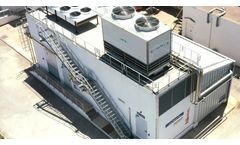
In 2022, a state-of-the-art trigeneration plant was commissioned at the pharmaceutical manufacturing facility Medicef Pharma in Tunisia. This innovative facility supplied and installed by Clarke Energy teams utilises an INNIO Jenbacher gas engine with an output of 0.8 MWe, primarily powered by natural gas. Clarke Energy has also provided full EPC construction of this trigeneration power plant ...
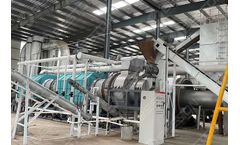
Sustainable Charcoal Production Techniques Incorporating sustainable practices in charcoal production includes efficient combustion systems, reduced emissions, and utilization of waste heat – all contributing to a more environmentally friendly approach. ...

More than 50% of the final useful energy demand in the EU comes from the heating and cooling consumption of buildings. The installation of District Heating in cities and municipalities helps improve their energy efficiency, resulting in energy savings and reduced costs for their inhabitants. If you are thinking of setting up such a core network in your municipality, this article will help you to ...
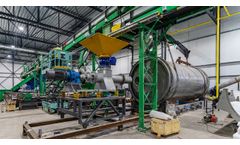
The equipment utilizes various heating mechanisms, such as direct combustion, hot gases, or electric heating elements, to reach and maintain the required temperatures. ...
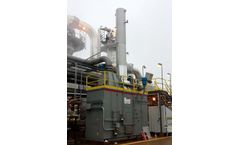
VOC and HAP laden process gas is either pushed or pulled into a metal heat exchanger inside the oxidizer via a system fan. The contaminated airstream is progressively heated while traveling through the heat exchanger towards the combustion chamber. ...
Modern factories are investing in technology to reduce their energy consumption, costs and CO2 emissions. This is not new, but the process of digitalisation and decarbonisation has accelerated to meet global energy transition and sustainability goals.In addition, the constant increase in energy costs pushes companies to become more efficient and reduce overall expenditure to stay competitive. If ...

While working with local regulators to satisfy air pollution control requirements for two new oven lines, bakery engineers explored the utilization of waste heat from pollution control systems. Like many other industries, food processors often find that the best available control technologies for emission and odor abatement are thermal and ...

Measures to improve indirect emissions mainly refer to improving the utilization rate of effluent waste heat and afforestation. How do wastewater treatment plants in Denmark respond? ...

The company focuses on the development and utilization of environmental energy, including landfill gas power generation, waste heat utilization, mobile energy storage, solid waste resource disposal, industrial biogas treatment, kitchen biogas utilization; Carbon emission reduction project ...

The University of Cincinnati chose a combined heat and power (CHP) central utility plant, in which waste heat generated from electricity production is recycled by routing the heat from a gas turbine through a recovery boiler to make steam, which is then used in heating and cooling applications. ...
Reasons for Installing Combined Heat & Power Evonik decided to invest in a CHP system to improve both their electric power and steam reliability. ...
Even then, the company was thinking green by utilizing waste heat from these older oxidisers/incinerators to pre-heat the ovens and to supply their manufacturing facility with additional process steam. ...