
Uv Vis Detector Articles & Analysis
6 articles found

Amino acid determination has important applications in many biochemical and biomedical research studies. For example, it can be used to determine the amino acid composition of proteins, helping researchers to understand the structure and function of proteins. Additionally, amino acid determination can also be used to monitor the levels of amino acids in biological samples, which is important for ...

Plant pigments play an essential role in plant physiology and ecology, influencing processes such as photosynthesis, UV protection, and signaling. Detecting and analyzing these pigments is a cornerstone of research in botany, agriculture, and environmental science. This article delves into the methodologies, applications, and recent advances in plant pigment detection, providing valuable insights ...

Size distribution analysis of microsized water particle mist generated from an odor control technology showed the major- ity of particles to be in the low micron range. The indirect detection and determination of hydroxyl radicals generated by their reaction with benzene to produce phenol was performed through UV-Vis spectrophotometry (UV-Vis) and high perfor- mance liquid chromatography (HPLC). ...

Protein amino acid composition analysis is to understand the basic composition of proteins by determining the types of amino acids they contain and their relative molar ratios. This analysis method is commonly used to identify, quantify and study the chemical properties and structure of proteins and peptides. Below are some techniques commonly used for protein amino acid composition ...

It mainly uses chemical, physical-chemical, or biochemical methods and techniques to study chemical structures that have been clarified. UV-Vis Absorption Detector Ultraviolet-visible detector (UVD) is one of the most widely used detectors in HPLC, and almost all liquid chromatographs are equipped with this ...
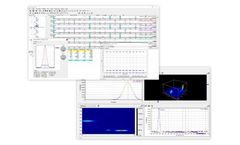
Resolution, sensitivity, tailing factor, and retention time or area precision are common parameters to determine the suitability of the system for the chromatographic assay.CDS Step 4: Data Acquisition and MonitoringThe system must be prepared for analysis by purging and equilibrating the system and column to ensure that the pressure and detector baseline are stable. This can be ...