
Refine by
Uv Vis Spectroscopy Articles & Analysis
68 articles found
Mass Spectrometry (MS)(1) Mass spectrometry is a highly sensitive and accurate analysis method that can be used to identify and quantify the mass and composition of chemicals.(2) When combined with liquid chromatography (such as LC-MS) or gas chromatography (such as GC-MS), this technique can provide detailed information about trace components in the medium.3. Ultraviolet-Visible ...
The content of collagen can be accurately determined by comparing the chromatographic peaks of unknown samples with those of standard products with known concentrations.SpectroscopyUltraviolet-visible (UV-Vis) absorption spectroscopy can be used to measure the concentration of collagen, as proteins absorb ultraviolet light at specific wavelengths ...
Circular Dichroism (CD) spectroscopy is an experimental method used to analyze molecular structures and chirality properties, typically in the fields of chemistry, biochemistry, and biophysics. ...

Sources of Anthocyanins Anthocyanins, the vibrant pigments responsible for the striking colors seen in many fruits, vegetables, and flowers, are derived from the flavonoid pathway in plants. These water-soluble compounds are synthesized in various plant tissues, including leaves, stems, fruits, and flowers, predominantly in response to environmental cues such as light exposure, temperature ...

Antibody-drug conjugates (ADCs) represent a groundbreaking class of therapeutics that combine the specificity of monoclonal antibodies (mAbs) with the potent cytotoxic effects of small-molecule drugs. This synergistic approach allows for targeted delivery of the cytotoxic agent to cancer cells while sparing healthy tissues, thereby reducing side effects and enhancing therapeutic efficacy. ADC ...
This temperature is called the denaturation temperature (Td), which is an important parameter for evaluating thermal stability.2. Ultraviolet-Visible (UV-Vis) Spectroscopy(1) PrincipleUV-Vis spectroscopy utilizes the absorption characteristics of proteins in the ultraviolet region (especially around 280 nm) to ...
Studying the distribution of DAR values helps to understand the overall fate of ADCs and provides a theoretical basis for ADC biotransformation in vivo. UV/VIS spectroscopy is widely used to determine antibody concentration and DAR value, but this method is a buffer system and cannot be applied to complex biological systems such as plasma/serum. ...
In this article, we provide an overview of the most widely used methods for the detailed analysis of DAR in these molecules. Ultraviolet-Visible (UV/Vis) Spectroscopy UV/Vis spectroscopy is a simple and convenient method to determine protein concentrations as well as the average number of drugs ...
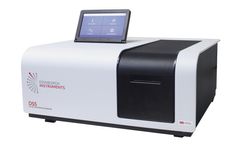
Edinburgh Instruments DS5 UV-Vis Spectrophotometer is a high performance dual beam instrument suitable for many analytical applications where accuracy and precision measurements are key to your results.Developed and designed in the UK, the DS5 measure absorption and transmission as a function of wavelength and provides a modern, user-friendly and accurate ...
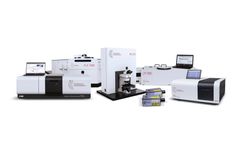
What is Molecular Spectroscopy?Molecular Spectroscopy is a subcategory of spectroscopy that studies the interaction of radiation with molecules and extended materials, as opposed to atomic spectroscopy techniques which deal with individual atoms. Samples that absorb (UV-vis ...

For this reason, we have created a Glossary of some frequently used Spectroscopy Acronyms that you might find on our website or in the laboratory. Browse our frequently used spectroscopy acronyms: CCD: Charge-Coupled Device CNT: Carbon Nano Tubes CW: Continuous Wave EEM: Excitation-Emission Maps EPL: Picosecond Pulsed Diode Laser EPLED: Pulsed Light-Emitting ...

In the first part of this series, a brief historical overview was given for both infrared (IR) and near-infrared (NIR) spectroscopy, as well as for Fourier transformation (FT) and dispersive spectroscopy. A few myths were discussed and put to rest, and we showed that Fourier transformation spectroscopy (FT-NIR) is not necessarily the only nor the best way to integrate reproducible spectroscopic ...
ByB&W Tek

In the first part of this series, a brief historical overview was given for both infrared (IR) and near-infrared (NIR) spectroscopy, as well as for Fourier transformation (FT) and dispersive spectroscopy. A few myths were discussed and put to rest, and we showed that Fourier transformation spectroscopy (FT-NIR) is not necessarily the only nor the best way to integrate reproducible spectroscopic ...

The concept of MUSE-Tech project is the integration of three High-End sensing technologies Photoacoustic Spectroscopy, Quasi Imaging UV-Vis Spectrometry and Distributed Temperature Sensing in a versatile Multi Sensor Device (MSD), for real-time monitoring (on-line or in-line) of multiple parameters associated with the quality and the ...
Cyclic voltammetry (CV) is the backbone of most electrochemical research and is an essential electrochemical technique that allows researchers to explore candidate catalysts in greater depth. When coupled with modeling, a systematic goal-focused protocol will supply a range of data that will inform the user of more novel techniques and complex setups. This disciplined approach will save time in ...
The combination of two well-known analytical techniques, electrochemistry and spectroscopy, gives rise to spectroelectrochemistry (SEC), an established scientific methodology. This hybrid technology combines the advantages of each technique, offering the best of both worlds [1]. The word «spectroelectrochemistry» is the result of combining these two terms as two pieces of a puzzle ...
Therefore, drug loading and drug distribution are CQAs that should be controlled in ADC production. Spectroscopy, radiation, chromatography, mass spectrometry, etc. are commonly used analytical methods. UV-Vis Spectroscopy Ultraviolet visible spectroscopy is a simple and most commonly used method for DAR ...
More efficient spectrophotometric analysis of pollutant parameters in wastewater For many years, UV/Vis spectroscopy has been an established standard method with standardized procedural guidelines for the qualitative and quantitative analysis of a variety of parameters of wastewater such as nitrate (NO3), nitrite (NO2), ammonium (NH4), ...
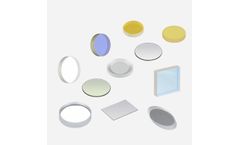
An optical window is a flat, parallel, optically transparent component that is used to separate two specific environments from each other, while maximizing the transmission of light. Selecting optical windows for UV/VIS or IR spectroscopy can be overwhelming with all of the various options and bells and whistles. ...
Combined with the new software, the ultraviolet-visible (UV-Vis) microvolume spectrophotometer is designed to help materials science chemists quickly and accurately measure the concentration of different components that make up liquid samples, leading to higher productivity and lower costs. ...