
Refine by
Waste Characterization Articles & Analysis
67 articles found
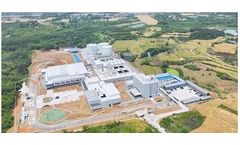
Background – The Challenge of Kitchen Waste China generates over 120 million tons of kitchen waste annually, placing significant pressure on landfills and incineration facilities. In Nanjing, kitchen waste accounts for a large proportion of municipal solid waste and is characterized by high moisture, high ...

The chemical industry applies lipid analysis and characterization in creating specialty chemicals and polymers. Lipids can serve as raw materials in polymer chemistry. ...
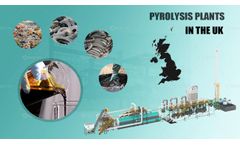
The Rise of Pyrolysis At the heart of pyrolysis plants in the UK lies a sophisticated process that transcends conventional waste management paradigms. Pyrolysis, characterized by the thermal decomposition of organic materials in the absence of oxygen, serves as the cornerstone of these facilities, unlocking the latent potential of various waste ...

Biochar: Harnessing Carbon-Rich Residues Biochar, a byproduct of coconut waste pyrolysis, is characterized by its porous structure and high carbon content. ...

Waste management in Germany has one of the most ambitious development goals in the world. ...
Leachate Wastewater Treatment for Municipal Solid Waste Landfill Applications Landfill leachate from municipal solid waste landfills is a major environmental concern and a worldwide problem because of its heavy contamination and treatment complexity of such wastewater. In fact, the leachate wastewater produced from landfills can migrate to and contaminate the soil surface and groundwaters if ...
ByYASA ET
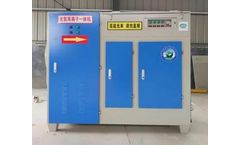
Catalytic combustion equipment is a kind of air purification equipment for processing industrial waste gas. It can be used for solvent purification of waste gas, and is characterized by flameless combustion, relatively low combustion control temperature, and low external heating energy consumption.4. ...
Ecoembes applies new technologies to the recycling cycle, collaborating with startups to make recycling more efficient thanks to innovation. It is what they call Plant 4.0, a pioneering project for the application of technologies that allow knowing the characteristics of the input waste to adjust the configuration of the line, design treatment strategies and develop new operating models to ...
The energy recovery of different types of waste carriers of organic load. In general terms, a biogas installation has the following stages: a) Production/generation of biogas . ...
As Internet-of-Things (IoT) has revolutionized every aspect of human life, the whole process of how waste used to be collected has also been transformed via Smart Waste Management. ...

GelGreen successfully passed environmental safety tests in accordance with CCR Title 22 Hazardous Waste Characterization, according to which GelGreen® is not classified as hazardous waste. ...
Use of a proper contaminated soil sampling method is vital to obtain a representative sample of soil waste. A representative sample of soil waste is necessary to accurately characterize (hazardous or non-hazardous) your stabilized waste piles. If improperly conducted, valuable time and resources may be wasted by ...
According to the Environment Protection Authority (EPA) Victoria (2020), waste codes and categories are essential for identifying and describing waste to facilitate waste management. Parties involved in controlling and managing waste must classify it to ensure compliance with the law. Classification of waste is essential as it allows for the protection of human health and the environment. EPA ...

One of the first questions we often get when discussing packaging options for waste disposal is: How much does flexible waste packaging cost? This is a reasonable question, and although there are several factors to consider, I’ll do my best to provide you some general pricing information. ...

USEPA mandates the use of Method 1311, Toxicity Characteristic Leaching Procedure (TCLP) for determining if a waste is hazardous or non-hazardous for disposal purposes. When considering options for waste treatment, the first target is to produce a waste that is not hazardous according to EPA RCRA regulatory limits. ...
We hired and managed several subcontractors for Demolition, Concrete Crushing, Surveying, Compaction Testing, Asbestos & Universal Waste. ERC self-performed the in-situ soil mixing, waste characterization & sampling, disposal, backfill import & placement, grading & restoration. The project had multiple constituents as ...
What is a Soil Remediation Project? A developer near Detroit, MI had a soil remediation project that involved a redevelop property with an ideal location with ready access to freeways. High levels of lead contamination were identified over a large portion of the site, presumed to be associated with areas that lead-acid batteries were crushed inside cars and were left to drain. ...

This case study shows how Fluence provided the company with an effective turnkey operation that includes water treatment, wastewater treatment, and waste-to-energy technologies in three treatment trains, all in only one year. ...

Sludge: the sludge produced following dehydration via a filter press is classified as category CER 190814 waste, i.e. sludge produced following treatment of industrial waste water. ...

Geophysical and physicochemical methods were carried out to examine the effect of leachate on groundwater in a dumpsite location in Akwa Ibom State, Nigeria. This was done to ascertain the level of organic contamination in the wells located in the study area. The analysis of water samples from boreholes close to the dumpsite was done to constrain the interpretation of electrical resistivity ...