
Refine by
Waste Classification Articles & Analysis
82 articles found

Learn more about hyperspectral imaging in waste sorting at PICVISA's website. What Is Hyperspectral Imaging? Unlike conventional RGB cameras that capture three color channels, hyperspectral cameras analyze hundreds of spectral bands across the entire electromagnetic spectrum, from visible light to infrared and ultraviolet. ...

Industrial facilities face a critical decision when managing wastewater: rely on third-party hauling services or invest in on-site treatment solutions. While hauling appears straightforward, this approach often carries substantial long-term costs and operational risks that many organizations ...
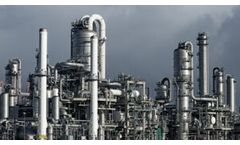
Chemical waste that has been improperly managed may contaminate water streams. ...
Project Overview The Shanghai Xupu Two-Network Integration Hub Project, executed by JONO Environmental Technology, is a comprehensive demonstration project that integrates intelligent collection, AI-powered fine sorting, automated packaging and transfer, and smart warehousing into a single unified system. ...

For operators of a continuous plastic pyrolysis plant, the regulatory landscape encompasses emissions standards, waste classification, occupational safety, and broader industrial governance. ...

Understanding waste management systems A good waste management system is a priority in any country. ...
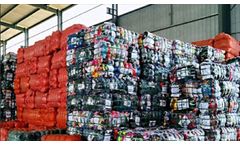
Why Waste Textiles?High Calorific Value = Cost SavingsBaled for easy transport & sale Dry-base calorific value: ~5,000 × 4.18 kJ/kg Pure polyester textiles: 5,500 kcal/kg (comparable to lignite) Blended fabrics: >4,000 kcal/kg Average combustion value: 4,500–5,000 kcal/kg (75% of coal) When supplied to cement plants, waste textiles significantly reduce ...
The Wenzhou Landfill Waste Sorting Project handles 1,000 tons of landfill waste every day. The primary objective of this project is to effectively separate the key components of landfill waste, including combustible materials, construction debris (such as bricks, tiles, and ceramics), and humus soil. By doing this, we can make the most of the landfill resources and help reclaim the land in a ...
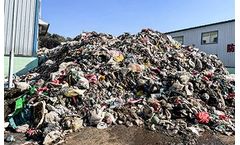
What is Non-Hazardous Treatment of Municipal Solid Waste (MSW)? After proper classification, most non-recyclable municipal solid waste undergoes non-hazardous treatment through methods such as landfilling and incineration. What is Resource Recovery from Municipal Solid Waste? Mixed municipal solid waste ...
Hospitals play a critical role in safeguarding public health, but their operations often generate significant waste. As healthcare facilities face mounting pressure to adopt more sustainable practices, environmentally friendly waste management has become a focal point for operations directors, managers, and sustainability professionals. Clean Waste Systems understands the challenges associated ...
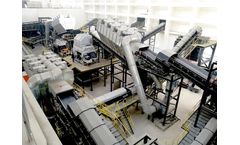
Mixed MSW is a general term for recyclable waste, organic waste, hazardous waste, combustible waste, etc. Traditional waste disposal methods often have problems such as low efficiency and environmental pollution. With the economic development, the total amount of MSW shows an upward trend, there is a growing need to improve the efficiency of waste disposal. In order to realize the recycling, ...
Contact your local sanitation department or recycling center to find out if these waste plastics are available. 2. Industrial enterprise waste: Manufacturing enterprises and packaging industries will produce a large amount of scraps and waste plastics during the production process, such as scraps from waste paper mills, ...

Within the framework of IFAT Munich 2024, the global summit for waste and resource management, PICVISA is positioned at the forefront of the sector with the launch of disruptive solutions in waste classification and recycling: the Reuser prototype for textiles and the innovative system ECOFLAKE for plastics. Reuser: Driving automatic ...

Need Quantitative register of production waste Handling weighing of waste transported in crates by fork-lift trucks Unequivocal classification of weighed waste by their types Identification of an operator and a security guard Improvement of the waste weighing process ...

As for textile waste, the situation is perhaps the most alarming. Fast fashion has shortened the life cycle of textile products in an unthinkable way, putting us in front of a panorama where the waste of this material, often the least recycled and most problematic in terms of separation and classification, overwhelms the sorting, collection, and ...

In the construction sector, there’s a rising trend toward Zero Waste, with initiatives that include the use of sustainable building materials, recycling programs for rubble and demolition, and building design focused on energy efficiency and waste minimization. These practices contribute not just to waste reduction but also to the creation of ...

The new generation waste from vapers and electronic cigarettes, cosmetics, wearables, drones to ELV (End-of-Life-Vehicles) waste is emerging strongly in the recycling landscape. Every week, millions of these new generation wastes are discarded, posing a monumental challenge in terms of volume to manage and impact on ...
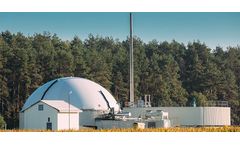
Here are three common classifications: Type of Organic Waste. Anaerobic digesters can be classified based on the type of organic waste they’re designed to treat. ...

PlastiCircle Project The PLASTICIRCLE project aims to improve different stages of waste recovery; transformation of waste into valuable products. The project includes the design of intelligent containers for the selective collection of waste. It also improves transportation routes and light packaging waste ...
The Circular Economy not only plays a crucial role in the fight against the climate emergency and the pursuit of sustainability, but also allows businesses to address current challenges related to supply, customer demands, and regulatory evolution. In a world characterized by volatility and uncertainty, where multiple pressures affect supply chains, adopting a circular economy strategy presents ...