
Refine by
Waste Conversion Articles & Analysis
332 articles found

The increasing generation of agricultural residues, forestry byproducts, and organic waste has created significant challenges for waste biomass management. ...

You can mix small batches quickly without wasting raw materials. This precise production saves your business money. ...

"What cannot be measured cannot be managed efficiently." This principle drives modern waste management facilities to adopt advanced data analytics solutions. PICVISA, a leading recycling technology company based in Barcelona, provides AI-powered solutions including the EcoFlow flow analyzer and DATA+ service, delivering real-time waste analytics that transform how recycling plants operate. Learn ...
The EU is currently overhauling its environmental rulebook with two heavy-hitting regulations: The Waste Shipment Regulation (WSR) and the Packaging and Packaging Waste Regulation (PPWR). ...
However, the emergence of advanced technologies such as the oil sludge pyrolysis plant has provided an effective solution for the conversion of this hazardous waste into valuable energy resources. This article examines the environmental impact of an oil sludge pyrolysis plant in waste-to-energy conversion. 1. ...
Biochar production equipment is now being designed to process a wider range of organic materials, including agricultural residues, municipal solid waste, and even plastics. This diversification of feedstocks is a major development in the biochar industry, as it allows for the conversion of various waste streams into valuable products. The ability ...
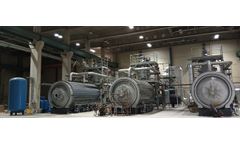
The Role of Waste Plastic Pyrolysis Plant in Waste Management A waste plastic pyrolysis plant is a facility that uses high-temperature pyrolysis to convert plastic waste into valuable products, such as fuel oil, carbon black, and gas. ...
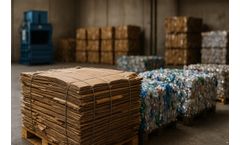
Waste is often treated as a cost center, but for many facilities recyclable materials such as OCC, plastics, and aluminum represent a potential revenue stream. ...
The pyrolysis process, often associated with waste-to-energy conversion, involves the thermal decomposition of organic materials in an oxygen-limited environment. ...
Sectors recycling Why is it important to recycle? Key reasons and benefits The environmental benefits obtained when we recycle redound to our quality of life. But if we really want to protect our planet, we need to reuse and reduce our waste before we tackle waste management. Let´s see why is it important to recycle.What is recycling and why it is important? Recycling involves collecting and ...

How catalytic technology is transforming wood heating across Europe In the ongoing transition toward cleaner, more efficient residential heating, catalytic woodstoves stand out as a powerful example of how thoughtful engineering can transform traditional practices. At Whitebeam d.o.o., we’ve spent years analyzing combustion systems across Europe, and catalytic technology consistently delivers ...

Key properties of Aluminium for industrial applications Aluminium has become the metal of choice for modern manufacturing. Its unique combination of light weight, strength, and versatility makes it ideal for applications across the automotive, aerospace, construction, energy, and electronics ...
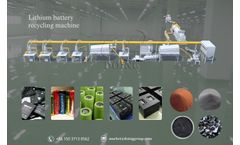
In our daily lives, we inevitably accumulate a large number of old batteries. Proper disposal of these batteries is crucial for both environmental protection and resource recovery. Old batteries contain toxic substances such as lead, mercury, and cadmium. If not handled properly, these substances can leach into soil and water sources, and precious metals such as lithium, copper, and aluminum ...
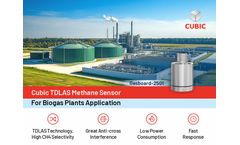
Biogas plants, as dedicated facilities for the conversion of organic waste into renewable energy, inherently involve significant safety risks associated with methane, the principal constituent of biogas. ...
With the global plastic waste crisis intensifying, finding sustainable recycling methods has become more urgent than ever. ...
One fully operational plastic recycling plant, located in Spain (Ascó) uses our advanced chemical plastics recycling technology to transform plastic waste into valuable resources. We are proud to materialize our innovative projects, turning them into reality. We are moving towards a more sustainable future. Built during 2020 and launched in 2021. It has a processing capacity of 9,000 ...
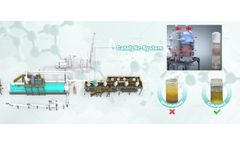
This methodology is increasingly relevant in facilities processing heterogeneous waste streams, such as plastic, biomass, and mixed municipal refuse. ...
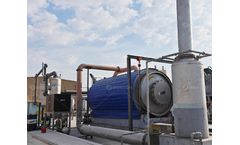
Integrating thermal conversion technologies into municipal waste strategies offers a pathway to reduce waste volume, reclaim energy, and minimize ecological impact. ...

Managing construction waste has long been a logistical and financial burden for contractors, especially in densely populated or remote project sites. Traditional disposal methods — hauling rubble to landfills or outsourcing material removal — come with hidden costs: fuel, labor, tipping fees, and project delays. Today, on-site construction trash disposal crushing equipment is changing the ...
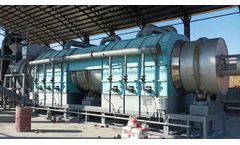
Transforming organic waste into a functional, high-value additive has become central to sustainable waste management and regenerative agriculture. ...