
Refine by
Waste Conversion Process Articles & Analysis
8 articles found

However, the emergence of advanced technologies such as the oil sludge pyrolysis plant has provided an effective solution for the conversion of this hazardous waste into valuable energy resources. This article examines the environmental impact of an oil sludge pyrolysis plant in waste-to-energy conversion. 1. ...
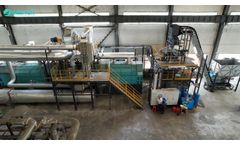
This zonal heating strategy reduces the formation of tars and waxes while ensuring complete conversion of plastics, rubber, or biomass into oil, syngas, and carbon residue. ...
It can process various types of waste materials, including plastics, rubber, and biomass. ...
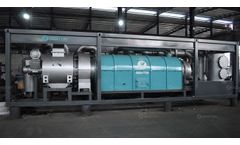
Effective management of food process waste has become a priority in sustainable waste management practices. One solution gaining attention is the conversion of food process waste into biochar, a carbon-rich product known for its environmental benefits and soil improvement capabilities. ...
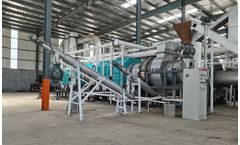
Food Processing Waste: An Environmental Challenge Diverse Types of Waste Generated Organic Residues: Food processing operations generate a wide array of organic waste, including fruit and vegetable peels, shells, and other byproducts. ...

This method of waste conversion has been around for many years. That is why wet aerobic digestion is considered a new and emerging waste conversion technology. ...
In addition, since 1960 a third of the world's farmland has been abandoned, exhausted as a result of overexploitation and soil degradation (Schade and Pimental, 2010). Moreover, emissions and wastes emitted during the processing and conversion of resources into goods and services have caused further damage to the natural environment and human ...
In addition, since 1960 a third of the world's farmland has been abandoned, exhausted as a result of overexploitation and soil degradation (EEA, 2010a). Moreover, emissions and wastes emitted during the processing and conversion of resources into goods and services have caused further damage to the natural environment and human health. ...