
Refine by
Waste Elevator Articles & Analysis
21 articles found
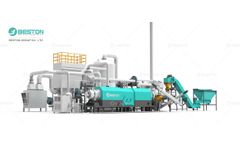
Additionally, the ability to convert agricultural or forestry waste into marketable charcoal elevates both sustainability and profitability. ...
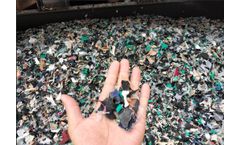
Exploring the Four Primary Raw Materials for RDF Alternative Fuels: How to Elevate Solid Waste to the Spotlight! Driven by the global energy transition, RDF (Refuse-Derived Fuel) has emerged as a popular alternative to fossil fuels, thanks to its resource recovery and low-carbon attributes. ...

Barrier Fire Protection, a leading provider of passive fire protection solutions, has elevated its waste management efficiency by investing in a new UNTHA shredder. ...

It directly impacts the pyrolysis reactor price, long-term reliability, and profitability of the equipment.Ensuring Efficiency in Pyrolysis The pyrolysis process involves heating organic materials—such as plastic waste, biomass, or tire remnants—at elevated temperatures, usually between 300 and 600°C, in an oxygen-deprived environment. ...
With conventional plastic recycling methods proving insufficient to manage the escalating volumes of plastic waste, plastic pyrolysis plants offer a promising alternative. By converting plastic waste into valuable resources such as fuel oil, these plants mitigate the environmental impact of plastic accumulation in landfills and oceans. ...
Conventional methods often fall short, contributing to pollution and resource wastage. This is where the prowess of waste plastic pyrolysis plant comes into play, offering a dynamic solution to address the plastic predicament.The Essence of Pyrolysis At its core, pyrolysis is a thermal decomposition process that involves the breakdown of organic materials at ...
This method involves subjecting organic materials, such as wood, agricultural residues, or even municipal solid waste, to elevated temperatures in the absence of oxygen. The result is a trifecta of biochar, bio-oil, and syngas.The pyrolytic dance unfolds within the crucible of the reactor, a high-temperature vessel where biomass undergoes a metamorphic journey. ...
This intricate method subjects plastic waste to elevated temperatures, typically ranging from 300 to 900 degrees Celsius, while meticulously controlling the absence of oxygen. ...
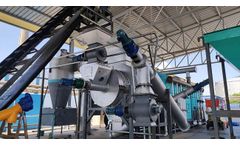
It transforms agricultural residues and organic waste into a valuable resource—biochar—closing the loop in resource utilization. This symbiotic relationship between waste and biochar production elevates soil quality, enhances crop productivity, and aligns agriculture with circular economy principles, charting a path toward a more ...
Pyrolysis is a process of chemically decomposing waste tires, rubber, plastics, and other kinds of solid waste at elevated temperatures in the lack of oxygen to create fuel oil. ...

E-waste remains one of the biggest threats to the environment, as revealed by this statistic cited from Earth 911. ...
Waste antifreeze, also called engine coolant often contains heavy metals such as lead, cadmium and chromium in high enough levels to make it a regulated hazardous waste. A study performed by the American Society of Testing and Materials (ASTM) determined that approximately 40% of used antifreeze would be considered a hazardous waste due to ...
These issues include, treatment chemicals, waste water treatment operating costs or surcharges, sludge disposal costs, and power consumption. ...
Paint/Pigment companies often produce waste water containing elevated levels of suspended solids and color from their operations, in addition to non biodegradable contaminants. ...
These issues include, treatment chemicals, waste water treatment operating costs or surcharges, sludge disposal costs, and power consumption. ...
But according to the UK’s leading independent provider of waste management solutions, GPT Waste, it should be somewhere on the agenda. ...
The waste management arena is continually challenged when it comes to fighting odors, which often become a major nuance for neighbors. ...
Challenge A camp operator required an efficient way to treat and utilize their domestic waste water to reduce their waste water discharge fees. The treated water was to be treated to a standard to be used for non drinking purposes such as irrigation among other non potable applications. Waste Water Analysis Parameters: BOD – 200-300 mg/l ...

Brominated flame retardants (BFRs) including polybrominated diphenyl ethers (PBDEs), decabromodiphenyl ethane (DBDPE), and 1,2‐bis(2,4,6‐tribromophenoxy) ethane (BTBPE), were investigated in common kingfishers (Alcedo atthis) and their prey fish from an electronic waste–recycling site in south China. Elevated BFR residues were detected in the kingfishers, with ...

The results indicated that the use of crushed glass in concrete is a viable and effective recycling option, in particular when used in proportions of between 10% and 25% where the compressive strength exhibited higher values than those of normal concrete at ambient and elevated temperatures.Keywords: glass recycling, waste management, crushed glass, concrete ...