
Waste Handling Practice Articles & Analysis
7 articles found
Processors across the medical waste industry are reassessing how waste moves through their facilities. Increased attention on sharps exposure, tighter regulatory scrutiny, and the sheer volume of material moving through transfer and treatment operations are pushing processors to prioritize safer, more efficient workflows. By introducing shredding earlier in the workflow with medical waste ...

By harnessing locally available waste materials, tyre pyrolysis contributes to energy independence and resilience in the face of fluctuating fuel prices and geopolitical uncertainties.Waste Reduction Converting end-of-life tires into alternative energy helps alleviate the burden of tire waste management and disposal. ...

Incinerators uphold an indispensable role in waste management, serving to transform diverse categories of refuse into energy or reducing them to residues secure for the environment. ...
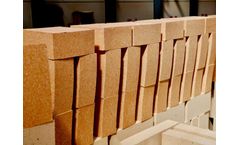
This can include recycling water, reusing refractory scraps, and implementing systems to recycle and repurpose waste materials generated during production.4. Proper Waste ManagementImplement proper waste management practices to handle and dispose of hazardous and non-hazardous waste responsibly. ...

Our full team will be with you as your waste handling and recycling needs change and your business grows. ...
Business profitability is measured by a variety of factors, from the amount of sales and service income to decrease (or increase) in administrative and operating expenses. For waste handling companies, fleet maintenance can represent a significant outgo in the last category. ...
Contaminants often present in these lagoon waters and the surrounding soils include TNT, RDX, HMX, 2,4-DNT, 2,6-DNT, 1,3-DNB, 1,3,5-TNB, and nitrobenzene. These past waste-handling practices at explosives manufacturing and LAP plants often used unlined lagoons or pits to contain process wastewaters. As a result of this ...