
Refine by
Wastewater Controller Articles & Analysis
220 articles found
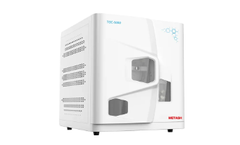
Inorganic carbon (IC) is a key indicator for wastewater compliance, treatment efficiency evaluation, and equipment corrosion prevention. ...
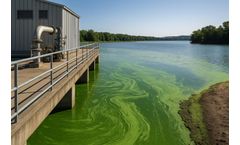
Early recognition hinges on monitoring with parameters described below.HAB Development Stages in ReservoirsStage 1 — Nutrient accumulation: Phosphorus and nitrogen accrue in water and sediments from agricultural runoff, urban runoff, wastewater discharges, and atmospheric deposition, setting the stage for growth.Stage 2 — Thermal stratification: Seasonal layering traps nutrients ...

Primary applications include environmental containment and large hydraulic projects such as landfills, hazardous waste facilities, tailings ponds, wastewater treatment, large reservoirs, and canals.LDPE Geomembranes: Made from low-density polyethylene; softer texture and high elongation. ...

Issue - Project Brief Exeon were asked to provide odour control for a new wet waste transfer station, handling liquid hazardous and non- hazardous wastes. The reception building had high H2S levels to content with. Dust filtration was a key requirement to ensure safe and comfortable working conditions for the staff, especially in hot ...
Oil water separators help keep oily wastewater under control, protecting downstream treatment systems and reducing wear on pumps and filters. ...
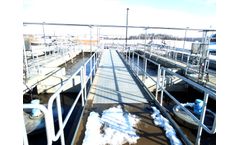
Nitrification is one of the most critical biological processes in wastewater treatment, playing a central role in protecting receiving waters, meeting regulatory requirements, and maintaining overall plant stability. ...
Challenge Dave has a four acre lagoon with a high BOD contributor. This high incoming BOD sucks most of the oxygen out of the water causing the lagoon to give off a horrendous smell. With many complaints from the town and its citizens, Dave had to do something quick. ...
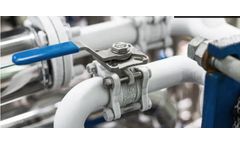
The focus is turning to systems that conserve, reuse, and account for every drop of water In the world of wastewater treatment, one of the most visible shifts in 2025 has been the growing focus on wastewater reuse and circular water systems. ...
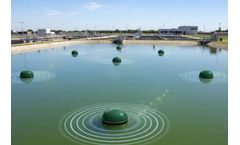
Algae causes many problems in wastewater systems. They clog screens and reduce oxygen. They raise operating costs. Often, conventional fixes use heavy chemicals. Those chemicals harm aquatic life and add expense. A newer option uses sound to fight algae. This method offers chemical-free algae removal and saves money. It also fits industrial algae treatment needs. Below is a clear guide for ...

The position of the piston correlates to the water level, and this information is typically transmitted to a gauge or controller. 2. Capacitive Water Level Sensors: These sensors measure the dielectric constant of water, which changes with the water level. ...

Katherine Cimino is a marketing manager and science communicator with a focus on environmental solutions, wastewater management, and integrated pest control. She collaborates closely with engineers and scientists to translate complex research into actionable insights for industry operators. Abstract Biofilms represent a pervasive and costly challenge across ...
Applications of Electromagnetic Water Flow Meters Electromagnetic water flow meters find applications in various industries and sectors: Water distribution and management systems: Municipal water supply networks, water treatment plants, and irrigation systems rely on electromagnetic flow meters to accurately monitor and control water flow. Industrial processes and manufacturing: ...
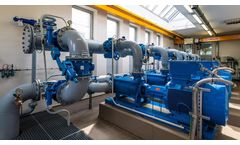
Due to the discontinuation of analogue telephone connections, the networking of the substations had to be reconsidered and set up in a future-proof manner. A new control system with consistent telecontrol technology was to combine all structures and substations and at the same time, standardize the drinking water and wastewater sectors. In addition to the ...
Foam is one of the most frustrating challenges in wastewater treatment operations. While it may seem like just a cosmetic issue, uncontrolled foam can have serious consequences: it carries solids into the effluent, disrupts secondary clarification, creates odor problems, and even poses safety hazards for operators working around basins and tanks. Traditional methods such as water sprays, ...
Wasteater treatement odor can be a persistent and unpleasant issues for wastewater management plants or residents living nearby. These odors are primarilty generated during the breakdown of organic materials in a wasterwater treatment plant and can pose environmental and health concerns. ...
This means silica is almost always present within industrial source water, process water, and wastewater streams. For industrial units, controlling silica levels in process water is essential to keep things running smoothly with lower maintenance to extend equipment ...
The transmitter is mounted remotely, often in a control room or a safer, more accessible location. Cable Connection: The sensor and transmitter are connected by a shielded cable, which transmits the flow signal from the sensor to the transmitter for processing and display. ...

How do environmental regulations affect the manufacturing industry? Manufacturers must control air emissions, wastewater discharge, and hazardous waste disposal. ...

Construction projects require erosion and sediment controls – The Clean Water Act (CWA) regulates stormwater discharge to prevent water pollution. 4. ...

Dealing with wastewater can be a major headache. On-site domestic wastewater treatment systems are a game-changer for homes and businesses. These systems, often called septic systems, provide efficient wastewater treatment without relying on municipal plants. This puts you in control of your wastewater ...