
Refine by
Wastewater Pollution Articles & Analysis
432 articles found

Sources of VOCs Emissions in Oil & Gas Operations VOCs emissions in oil and gas field scenarios primarily originate from upstream and midstream processes: extraction, gathering, transportation, storage, and on-site wastewater treatment. Pollutants are released both as organized stack discharges and fugitive leaks across facility boundaries.Hydrocarbons make ...
They reduce the surface tension between liquids, enabling emulsification and removal of pollutants in water treatment processes.They are naturally biodegradable, and their environmental performance can be favorable compared with some conventional surfactants. Biosurfactants have demonstrated effectiveness against oil spills and other persistent contaminants.Applications in ...

Determining Nitrite in Drinking Water Based on GB/T 5750-2023 Using UV-Vis Spectrophotometry Introduction to Nitrite and Its Detection in Drinking Water Nitrite (NO2-) is an essential intermediate product in the natural nitrogen cycle and is widely present in surface water, groundwater, and some industrial wastewater. It originates from various sources, including agricultural ...
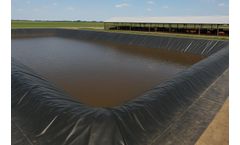
A large cattle farm faced the challenge of safely treating manure wastewater while complying with environmental regulations and preventing groundwater pollution. The farm operates wastewater ponds totaling over 200,000, requiring reliable seepage protection and a durable, economical lining system. ...

Shouxin has now officially become its core supplier.The Southeast Asian enterprise had previously relied on European and American products. Its wastewater contained high concentrations of organic pollutants with significant pH fluctuations, placing stringent requirements on flocculants.Shouxin formed a dedicated team for two weeks of on-site testing. ...

Ghana, formerly known as the “Gold Coast,” has a centuries-long history of gold mining. Today, gold remains a mainstay of Ghana’s economy. However, mining has also caused increasingly serious environmental problems. Mining operations discharge large amounts of silt and toxic substances (especially mercury and cyanide) into rivers, destroying many river ecosystems and rendering ...
The local climate is dry and the temperature swings between day and night are large, placing extremely high demands on the anti-seepage system. Potential Pollution Caused by the Copper Mine Project: Wastewater Pollution: Copper mining and processing generate wastewater containing heavy metals and acidic substances. If not ...

The result is improved metallurgical performance alongside a reduction in greenhouse gas output. Wastewater Treatment Industrial effluent streams often contain heavy metals, organic contaminants, and excess nutrients. Biochar serves as a cost-effective adsorbent due to its high surface area and functional groups capable of binding pollutants. When deployed in ...
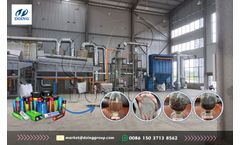
With "low cost, zero pollution, and high returns" as its core, DOING lithium ion battery recycling plant effectively processes scrapped lithium ion batteries and helps Indian companies quickly enter the blue ocean of lithium ion battery recycling. ...

Biochemical Oxygen Demand (BOD) testing is essential for evaluating organic pollution in wastewater. Traditional methods for conducting this test, such as the dilution method or manometric systems, are limited in their capacity for processing samples. ...

Environmentally friendly: No chemical reagents are used during the treatment process, and no secondary pollution such as wastewater and waste gas will be generated. High resource recovery rate: It can efficiently recover valuable metals and materials in batteries. ...

An Effluent Treatment Plant is a specialized facility designed to treat wastewater (effluent) generated from industrial and commercial activities. ...

Summary Industrial operations contribute significantly to water pollution. This is primarily through the discharge of wastewater containing heavy metals and organic pollutants. ...

As a result, the impact of fast fashion feeds the triple planetary crisis: more pollution, more waste and more human exploitation. Among the most alarming effects of fast fashion on the environment is the accelerated production that leads to excessive use of natural resources. ...

Improvements in biological treatment ensure robust removal of nutrients from wastewater to meet even the strictest effluent standards Around the world, nutrient removal standards have become stricter in recent years, and it’s no mystery why. Despite a global focus on per- and polyfluoroalkyl substances (PFAS) and other emerging contaminants in wastewater, ...

Addressing these issues requires innovative wastewater treatment solutions that enhance sustainability and improve operational efficiency. Here are some of the key challenges encountered: High operational costs: Poultry wastewater treatment is energy-intensive, leading to substantial electricity and thermal energy expenses. ...
Waste Management: Include facilities for treating wastewater and waste gases to reduce pollution. Safety: Design the plant to adhere to health and safety standards for workers. ...

As for China, it’s the world’s biggest water user, accounting for 13 percent of the world’s freshwater consumption. 70% of rivers are now too toxic to support aquatic life, making water contamination one of the most pressing global challenges. The Growing Wastewater Crisis Wastewater pollution is a big challenge, ...

Manufacturing Ensuring Waste and Emissions Management Manufacturing is one of the most heavily regulated industries in terms of environmental compliance due to its significant contributions to air pollution, wastewater discharge, and hazardous waste production. Regulations: • Clean Air Act (CAA) – Limits industrial air emissions, including volatile ...

Treating the cooling tower makeup water with reverse osmosis removes impurities, dissolved solids, and salts leading to an increased cycle of concentration, reduced water and chemical usage, and lower maintenance expenses. Wastewater treatment and water reuse: Reusing water in power generation processes reduces the demand for fresh water in water-scarce Fluence’s ...