
Refine by
Water Debris Articles & Analysis
108 articles found
In today’s processing environment, rising labour costs, tightening margins, and increasing operational complexity are putting pressure on vegetable processors to do more with less. While full system replacements may seem like the obvious solution, they are often unnecessary. In many cases, targeted equipment upgrades can deliver significant reductions in ongoing service and maintenance ...
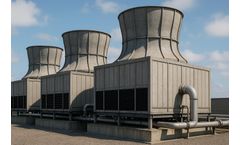
Cooling towers remove heat from water systems to keep buildings comfortable, but warm water promotes Legionella growth and the potential for legionnaires’ disease. ...

Pumping slurries is not the same as pumping clean water. When you deal with sand, silt, mud, or debris, standard pumps fail fast. ...
In many organizations, inspections are done seriously. Teams take the time to document, fill out reports, take photos, and write observations. At the moment they are performed, inspections do their job. They answer a very specific question: what is the condition of this asset today? But a few months later, that same inspection often loses its value. Six months go by—sometimes less—and ...
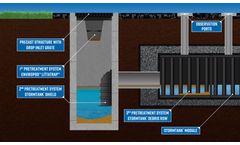
If using a vacuum pump truck, evacuate debris from the inflow and outflow points. c. Flush the system with clean water, forcing debris from the system. d. Repeat steps b and c until no debris is evident. Inspection Best Practices Year 1: Establishing a Baseline The first year is the most important for understanding your ...
Background Information Lower Passaic is a 17 mile stretch of river in New Jersey Decades of industrial dumping has polluted sediment Passaic River systems’ drainage basin covers 935 miles EPA declared this a Superfund Site to remove contaminants Floatables removal added to the Passaic River/Newark Bay Restoration Program ...

Controlling contamination is the biggest challenge for fuel storage. Water and debris can enter the tank, leading to biological growth. These contaminates could change fuel properties, such as flash point, impact ignition quality and cause tank corrosion that will lead to plugged filters and abrasive fuel system wear. ...
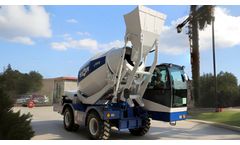
Mobile mixers can also be used for cleaning tasks. They can handle water and debris removal from sites. This versatility makes them useful for site maintenance. ...
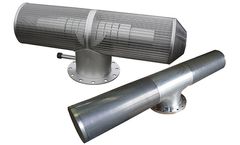
Intake screens filter raw water by removing debris, sediments, and aquatic life before the water enters pumps, pipelines, or processing systems.Why Intake Screens Matter Intake screens serve as the first line of defense in water intake systems, preventing damage to downstream equipment while maintaining consistent ...
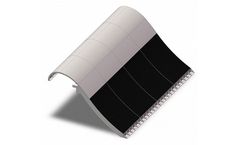
A Coanda effect inlet screen is a passive, self-cleaning filtration system installed at the head of a water intake structure. It uses the Coanda effect phenomenon, where a fluid flow tends to follow a curved surface to naturally direct water across a curved wedge wire screen. This design allows water to pass through while debris, ...
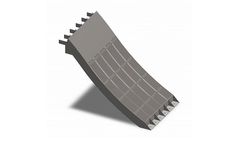
The wedge wire river intake Coanda screen uses the Coanda effect to divert water while efficiently removing debris and unwanted particles. Made from stainless steel wedge wire, these screens are engineered to handle high flow rates while preventing clogging and ensuring a steady water supply to the hydro turbines. Key Features of a Coanda Intake ...
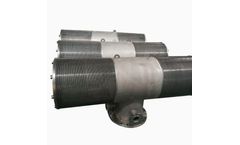
The intake screen is made from stainless steel and has a precise slot opening, allowing water to flow while blocking debris, marine organisms, and other unwanted materials. The wedge wire water intake screen is ideal for industrial desalination water filters, offshore water intake screens, and seawater intake ...

Water utilities ensure safe drinking water and wastewater treatment – The Safe Drinking Water Act (SDWA) and CWA protect water resources. 9. ...
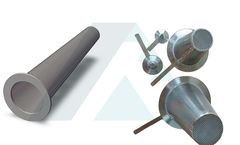
Their conical shape allows for high flow rates while effectively trapping debris. Click here to learn about: Witches Hat Strainer Flow Direction 2. ...
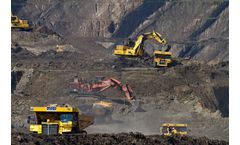
Location: Odisha, India Quantity Supplied: 7,500 Nos Mining projects are known for their complexity, environmental challenges, and the need for durable infrastructure solutions. One such ambitious project in Odisha, India, required innovative solutions to ensure both operational efficiency and environmental sustainability. Ocean Non Wovens took on the challenge, supplying and installing 7,500 ...
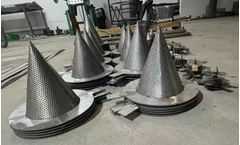
A temporary strainer is a filtration device installed in pipelines for short-term use during the commissioning phase. Designed to trap debris and particles, it prevents damage to downstream equipment such as pumps, valves, and membranes. ...
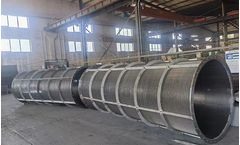
Agricultural Wastewater Processing Farms and agricultural facilities use wedge wire rotary trommels to separate animal waste and organic debris from water. This process not only improves water quality but also enables the recycling of solids as organic fertilizers. ...
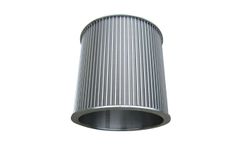
Agriculture: In agriculture, these screens are used for irrigation water filtration, separating solids from water sources to prevent clogging of irrigation systems. ...
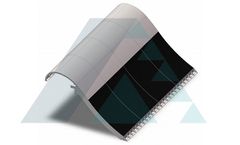
The wedge wire Conada intake screen is an advanced filtration component for water intake systems. Our water intake screen comprises high-grade wedge wire, offering a precise filtration surface. It ensures only water passes through, while particles and debris are filtered out. The wedge wire Conada screen is manufactured from ...
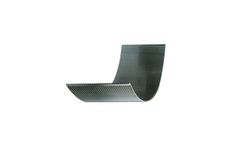
The screens ensure that unwanted particles and debris are removed from water before it enters further treatment stages or distribution systems. Applications in Water Treatment: Intake Screens: Protect pumps and other equipment by preventing large debris from entering the system. ...