
Water Purification Method Articles & Analysis
29 articles found

In water treatment processes, achieving high-purity water is essential for industries such as pharmaceuticals, power generation, food processing, and electronics manufacturing. One critical step in this purification process is water degasification, which removes unwanted gases from water to enhance its quality and performance. When combined with reverse osmosis (RO) technology, degasification ...

Water scarcity is a growing concern worldwide, and sustainable water treatment has become more critical than ever. ...
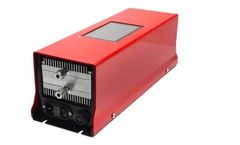
Unlike conventional methods that rely on chemical additives like chlorine, ozonated water requires no additional chemicals. ...
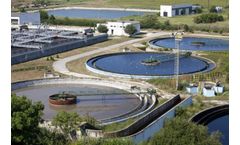
It seemed like an ordinary day. Then, **Advanced treatment processes for sustainable wastewater** emerged as the hero we didn’t know we needed. Imagine a world where every drop of water tells a story of transformation and hope. That’s the reality these advanced systems are creating. Gone are the days when treating wastewater was just about removing visible impurities. Nowadays, it ...

Effective hand hygiene reduces the risk of meat contamination and the transmission of foodborne disease Clean hands are essential to health and effective handwashing is one of the simplest ways to prevent the spread of germs. Hand hygiene is particularly important in minimizing food safety risks along food animal chains, as there are many diseases that can be transmitted to humans from polluted ...
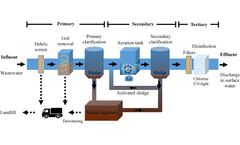
These products are changing how we approach water purification by providing an efficient natural method for removing suspended solids as well as BOD, COD and other contaminants. ...

The emergence of next-generation sequencing methods has accelerated their identification of various bacteria, such as Salmonella and Bacillus subtilis. Next-generation sequencing methods also offer an opportunity to study bacterial sRNAs at the community level. ...
In general, these two terms refer to water purification methods that provide contaminant-free water, but through different treatment systems. ...
ByYASA ET
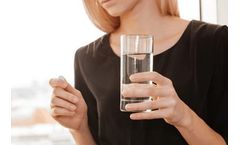
Reverse osmosis is a water treatment process that is still the principal method of removing impurities from water. But some applications such as pharmaceuticals require an even higher level of purity. In most situations, electrodeionization systems can provide higher ultrapure chemical free water production. Reverse osmosis (RO) and electrodeionization (EDI) are complimentary but distinctly ...
Efficient wastewater treatment is one of the main pillars of water safety; efficient water purification methods need to be applied whenever possible to protect biodiversity, ecosystem stability, and sanitary safety. ...
Bottled water keeps us hydrated, provides relief in the aftermath of disasters and so much more. Because bottled water is such an ever-present part of modern life, it is good to be informed about where your water comes from and how it is purified. So what’s on your bottle water label, and what does it mean? Let’s dive in. WHAT BOTTLED WATER LABELS MEANSPRING WATER Spring water flows ...

The processing of clean and safe drinking water and drinking water purification methods are an international issue. ...

Abstract This application note demonstrates the Teledyne Tekmar Fusion UV/Persulfate analyzer’s ability to measure low levels of TOC in five popular bottled water brands. Bottled water samples varied in source and purification methods including: two natural aquifers, one vapor distilled, one reverse osmosis, and one ...
Aside from drinking, people also need clean water for hygiene and cooking as well. What Methods of Treatment Are Available for Emergency Water Treatment? There are several emergency water treatment methods that have been used for contaminated flood water. ...

Although many kinds of materials for water purification are known, easy-to-use methods that ensure the safety of drinking water for rural populations are not sufficiently available. Sorbent-embedded sheets provide methods for the easy removal of contaminants from drinking water in the home. ...
Getting clean and purified water in current time is sparse. Lack of water has ended up being the harshest circumstance confronting by the present society. ...
A simple and inexpensive water purification method was developed using natural coagulant (Moringa seed powder) and antibacterial agents (scallop powder) followed by bio-sand filtration. ...
Treated effluent from wastewater treatment plants has become an important source of excess nutrients causing eutrophication in water. In this study, an ecological purification method was used to further treat eutrophic water. A three-season ecological purification scheme which comprised an emergent plant ...
Introduction In water treatment plants chemical-physical processes play an essential part in the process chain. ...
The biosand filter (BSF), an intermittently operated household slow sand filter, is one of the commonly used household water purification methods in the rural areas of developing countries. ...