
Refine by
Water Quality Data Articles & Analysis
251 articles found
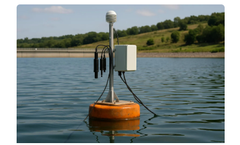
Real-time water quality monitoring enables drinking water utilities to detect contamination risks before they impact treatment operations. ...
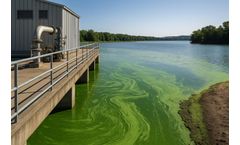
Harmful algal blooms (HABs) in drinking-water reservoirs pose multi-faceted operational risks for utilities, requiring proactive source-water management, robust monitoring, and rapid, non-disruptive response strategies to maintain water quality under regulatory constraints.Impact on Drinking Water UtilitiesHABs ...
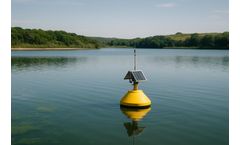
CBS News Boston coverage in April 2026 highlighted community restoration and safe swimming conditions, underscoring the impact of early-season deployment, real-time water quality monitoring, and ultrasonic bloom prevention that avoids chemical treatments. ...
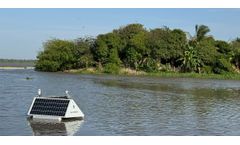
Raw water is collected in the semi enclosed basin of the Dársena Río Magdalena before being pumped to five drinking water treatment facilities. The basin's slower water movement fosters algae growth and sediment accumulation. The river carries heavy sediment loads and wastewater discharges from domestic, industrial, and commercial sources, and ...

To develop a wastewater discharge payment model applied to Industrial Park Water and Sanitation District (District). Based on the wastewater discharge payment model (Payment Model), to predict the District’s wastewater discharge payments for the pilot water quality improvement project that is currently performed at Ivy Lift Station. Five ...

A water quality monitoring system gives operators a clearer view by turning occasional samples into a continuous story about the water. With online water quality monitoring in place, teams no longer wait for weekly laboratory results; they can watch how temperature, algae and dissolved oxygen move through the day ...

Summary Industrial operations contribute significantly to water pollution. This is primarily through the discharge of wastewater containing heavy metals and organic pollutants. Hence, water quality degrades and harms aquatic ecosystems. Monitoring and managing contaminants such as heavy metals and phosphates is crucial for protecting water quality. This helps prevent the harmful health effects ...
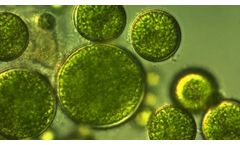
Summary Emerging contaminants, such as algal blooms, PFAs, microplastics, pose significant risks to health and ecosystems, necessitating improved monitoring and regulation. Educational materials are crucial for understanding and managing these emerging contaminants. Real-time monitoring technologies and innovative water management strategies, including smart lake management and ultrasound ...
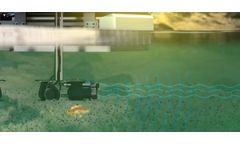
Summary Harmful algae are adaptive organisms that thrive in changing water environments. Traditional algae control methods lose effectiveness as algae develop resistance. Interactive algae control uses ultrasound with dynamic frequency adjustment to target diverse algal species. The MPC-Buoy with Interactive Algae Control combines real-time monitoring and adaptive treatment to deliver ...

Agriculture needs to regulate pesticides and runoff – The Food Quality Protection Act (FQPA) and CWA prevent harmful chemicals from entering water supplies. 7. ...
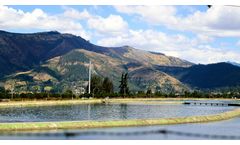
What is the Biggest Cause of Algal Blooms Today? Climate change and nutrient loading from agricultural run-off and urbanization led by human activities are anticipated to intensify the frequency and severity of harmful algal blooms. With warmer temperatures and increased nutrient availability, utilities should prepare for more frequent and widespread occurrences of toxic phytoplankton, ...
Or the COGESAF's Approach to WWPR The Context: In Quebec, the Water Withdrawal and Protection Regulation (WWPR) requires source vulnerability reporting every five years from entities withdrawing water from municipal water networks that supply at least 500 people. This regulation is comparable to the provisions of the water safety management plans employed in France and elsewhere in ...
A Public Version of Enki to Democratize Access to Open Data The Context: Located in southwest France, the Syndicat intercommunal du bassin d’Archachon (SIBA), a local intercommunal organization, is mainly responsible for wastewater treatment, rainwater management, flood prevention and water quality monitoring throughout its territory, ...
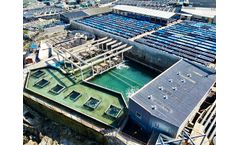
The size of the operation makes it difficult to treat the large volume of bay water coming in, so it’s crucial to monitor water quality to make sure it’s safe to use. ...
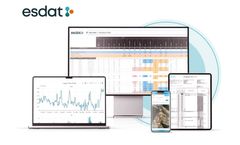
1. What is Environmental Data Management Software (EDMS)? EDMS (Environmental Data Management Software) is designed to collect, store, manage, and analyze environmental data efficiently. ...

Environmental professionals are navigating a deluge of environmental data coming in. Pair this with a rise in regulatory requirements and increasing stakeholder scrutiny, and without the systems and processes in place to manage this data, environmental professionals are stuck spending valuable time and resources wrangling their data into shape to ...
ByacQuire

Did you know Piper diagrams and Durov plots are a powerful way to analyze water sample data? Check out this video and see how you can make them in AquaChem with only a few button ...

A hardier iteration of its predecessor, fluorescein, rhodamine emits a bright red glow when excited by green light in water. Rhodamine’s pH tolerance also makes it ideal for flow modeling in acidic settings like wastewater systems. ...

In an era where clean water is becoming increasingly scarce, innovative technologies are crucial for addressing global water challenges. Electrocoagulation stands out as a cutting-edge solution that combines the principles of electrochemistry and coagulation to purify water efficiently and sustainably. This comprehensive guide explores the intricacies of electrocoagulation, its applications, ...
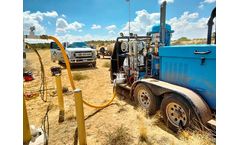
AcuVac also needs reliable data on water quality to prepare effective treatment for the contaminated groundwater when it reaches the surface. ...