
Refine by
Water Resource Conservation Articles & Analysis
84 articles found

By recycling our waste, we save energy; recycling 10 plastic bottles saves enough energy to power a laptop computer for 25 hours. By facilitating the conservation of natural resources, recycling reduces the need to extract wood, water or minerals to make new products. ...

Corrosive liquid: Since only the lining and electrodes of the sensor part are in contact with the measured liquid, as long as the electrode and lining materials are reasonably selected, the split electromagnetic flowmeter can be used to measure corrosive liquids. 2. Industrial field Water treatment industry: used to measure the inlet and outlet flow of water ...

Contrails and aviation-induced cloud formations further intensify the climate impact. Soil and Water Contamination: Fuel spills, de-icing chemicals, and industrial waste seep into surrounding soil and water bodies, leading to ecosystem disruption. ...

It is essential for preventing pollution, protecting public health, conserving natural resources, and ensuring sustainable business practices. ...

Manufacturing must control waste and emissions – Regulations like the Clean Air Act (CAA) and Resource Conservation and Recovery Act (RCRA) enforce pollution limits. 3. ...
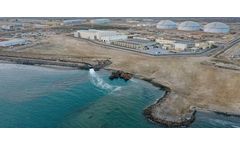
Water scarcity is a critical challenge facing the world today. This vital resource, essential for life and human development, is in an alarming state of precariousness. ...

These standards ensure that activities such as waste disposal, emissions control, water usage, and resource management are conducted to protect human health, ecosystems, and natural resources.Key Takeaways on Environmental Compliance Standards 1. ...

More than ever, sustainable domestic wastewater management is crucial. It’s about keeping our water clean and conserving this precious resource. This means finding smart ways to treat and reuse domestic wastewater at home. ...
Navigating the world of industrial wastewater can feel like a maze. As businesses grow and evolve, so do their environmental responsibilities. One of the biggest hurdles you might face is figuring out how to treat the wastewater your operations produce in a way that’s both effective and compliant. This is where custom design services for industrial wastewater treatment plants come in. ...

This process helps minimize the negative impact on water resources, aquatic life, and overall environmental health.Why is Effluent Treatment ...
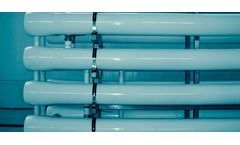
The versatile and efficient water treatment technology has many applications From municipal plants to industrial facilities, ultrafiltration technology addresses the intricate challenges posed by diverse water sources and contamination profiles. ...

Empowering Water Conservation in Homes: Water conservation begins at home, and monitoring water levels provides homeowners with a clear understanding of their water usage. ...
ByWaltr
Individuals must make increasingly moral purchasing decisions. Water resource conservation is important since apartments use a lot of water each day and more people are projected to live in apartments as the population rises. Sustainable water management techniques can aid in the conservation of ...
ByWaltr
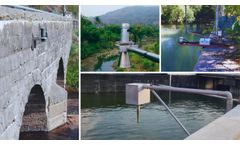
These sensors ensure precise control over water levels, minimizing waste and conserving resources while preventing overflow or underflow, thereby maintaining treatment effectiveness, infrastructure integrity, and public health. ...
The Importance of Domestic Water Pumps in Everyday Life Water is a fundamental resource that we rely on for a multitude of everyday tasks. ...

Introduction: Climate change poses significant challenges to agriculture, impacting crop yields, water availability, and pest dynamics. In the face of these challenges, climate-smart agriculture has emerged as a holistic approach to sustainably increase agricultural productivity, enhance resilience to climate change, and reduce greenhouse gas emissions. ...
ByJXCT
Applications of Soil Sensor Systems in Agriculture: Soil Moisture Monitoring: Soil moisture is a critical factor influencing plant growth and water management. Soil sensor systems provide real-time data on soil moisture levels, enabling farmers to optimize irrigation schedules and conserve water resources. ...
ByJXCT
By mapping variations in soil properties, farmers can tailor their management practices to optimize crop growth and resource use. Water Conservation: Monitoring soil moisture levels with sensors allows farmers to apply water precisely where and when it is needed, reducing water waste and energy consumption ...
ByJXCT

Water conservancy projects refer to construction activities to regulate, control, and use water resources. ...

This might involve leaching salts with additional water, adjusting irrigation practices, or choosing salt-tolerant crops. Irrigation Optimization: Knowing the salt content and water holding capacity of the soil allows for strategic irrigation. EC data informs farmers about the precise amount of water needed to reach the root zone without causing ...