
Refine by
Water Utility Infrastructure Articles & Analysis
15 articles found
Discover how BOO financing solutions - as well as lease options - are helping water infrastructure projects get off the ground When it’s time to expand, repair, or replace water and wastewater treatment infrastructure, public utilities and other entities can face major obstacles. ...
With water crises increasingly in the news, it seems the era is upon us now. How can we lighten the load on aging water and wastewater infrastructure? In 2019, utilities in the United States spent more than $3 billion, more than $18 per wastewater customer, to replace almost 4,700 miles of pipeline. Pipelines can be some of the ...
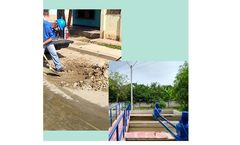
The utility AQSur now supplies uninterrupted, quality drinking water to six municipalities in Colombia. The project combined billing and collection services, customer care, and O&M to boost water efficiency and achieve financial sustainability. Challenges of the project AQSur aimed to improve the supply service and ...
ByIdrica

Any organization with a long history is bound to resist change. Most municipal water systems have been in place for decades, and many of their processes reflect the technology of earlier periods. ...

Treatment agency sees results from new monitoring system Renewable Water Resources (ReWa) is a wastewater treatment agency in Greenville, S.C., that serves Greenville and parts of Laurens, Anderson, Pickens and Spartanburg counties in the upstate area. The utility infrastructure includes eight water resource recovery facilities ...

The implementation of field inspection via surveys on mobile phones had the biggest impact on their workflow, the solution which in time became SmartAqua application, specialized in water utility data management. Water utility companies face challenges on several frontiers, from excruciating regulatory demands to ...
WANTED: CBRN (Chemical, Biological, Radiological, Nuclear) Water Monitors A recent survey by Environmental Protection Agency personnel found that Technical Associates is currently the sole source, worldwide, to provide comprehensive instrumentation for real time monitoring of radionuclides, chemicals, and biological contaminants in drinking water and ...

Replacing aging water infrastructure in the U.S. could cost at least $1 trillion in the next quarter century. Decentralized treatment could be a key to making the process affordable Water utilities in the United States are facing infrastructure obsolescence on a grand scale. ...

Technological advancements in the water sector are not confined to treatment. The same advancements that are driving groundbreaking innovation in other business sectors are helping water utilities and their staff operate more efficiently. ...

In that case, to avoid building a US$6 billion treatment plant, the New York City water utility has invested in source water protection measures more than 100 miles (160 kilometers) away, such as on-farm improvements that divert cow manure from drinking water sources. ...
ByEnsia
Processors discovered very quickly that high volumes of pressurized water could physically rinse contaminants off the surface of the birds. ...

While nature provides this “green infrastructure,” water utilities and other decision-makers often attempt to replicate these services with concrete-and-steel “gray infrastructure”—usually at a much greater cost. ...
Processors discovered very quickly that high volumes of pressurized water could physically rinse contaminants off the surface of the birds. ...

Managing utilities, water services and infrastructures requires high standards that must be  based on reliable, structured information. ...

Current federal law requires testing of drinking water for radionuclides, “hazardous radioactive materials” every three, six, or nine years. ...