
Refine by
Weevil Articles & Analysis
6 articles found
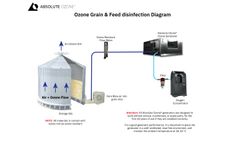
Protecting Your Stored Grains: How Ozonation Solved a Farmer’s Battle with Grain Weevils I remember conversing with a farmer a few months ago. He was facing a severe problem. His grain storage had been infested with grain weevils. And after trying everything he could think of, he was still losing more of his harvest to these tiny, destructive pests. ...

Biological control experiments have largely failed, although there are a couple of species of weevils and one moth that have shown some promise. Chemical control with herbicides has been tried, but often causes further problems. ...

Notably, much of the U.S. rice crop is grown in regions of the South where the soil is contaminated by old arsenic-based pesticides, once used by farmers to protect cotton crops from boll weevils. In a 2007 study, Meharg found that rice grown in some South-central states contained nearly twice as much arsenic (an average of 30 ppb) as rice grown in California (an average of 17 ...

The maize weevil (MW), Sitophilus zeamais (Motsch.), is an important pest of stored maize (Zea mays L.) in tropical areas. ...
Burning had a significant albeit variable impact on abundance of alfalfa plant bugs, lygus bugs, aphids, and leafhoppers but not on abundance of alfalfa weevil. The lack of effectiveness of the burning treatments on forage yield and adverse environmental consequences of burning such as air pollution, hazardous loss of visibility during burning operations, and loss of crop cover ...

Small plantlets purchased to replace non-productive palms and plantations infested with the red weevil, fetch high prices. This continuous demand has resulted in various Saudi public research initiatives to establish micropropagation protocols for the elite date palm varieties of Saudi Arabia. ...