
Refine by
Wind Erosion Articles & Analysis
65 articles found

BMX racing is built on precision, speed, and the skill of the riders. However, on every track lurks an unpredictable adversary, uncontrolled dust. This silent opponent can pose significant threats to riders, spectators, and track owners. For those in charge of maintaining tracks, effective soil stabilization and dust control for BMX tracks isn’t just about keeping a venue clean; it’s ...
Dust mitigation on construction sites is incredibly important for the health and safety of workers, as well as for the surrounding communities. To effectively mitigate dust on a construction site, several techniques can be put into action. These dust control methods range from simple preventive measures to advanced technologies that can significantly reduce dust levels. In this article, we will ...
For construction companies weighing their options for erosion control products, finding the right erosion control solution is critical. With so many factors causing erosion, how to prevent soil erosion is a topic on the minds of many concerned landowners and construction professionals. In this article, we will discuss seven tips for preventing soil erosion and preserving natural ...
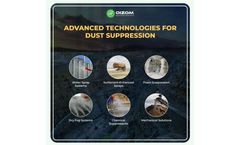
These systems adapt in real-time to wind, humidity, and dust load, cutting down water use and boosting efficiency. ...
Soil erosion is an ongoing challenge for parks and recreation areas. Walkways and trails take a beating year-round due to the constant movement of people, combined with natural forces like wind and rain, which can cause significant damage to trails, open spaces, and facilities. Knowing how to prevent soil erosion is essential to maintaining these ...
The stability of the soil of any construction project is one of the foundational factors that determines its success. Unstable soil can lead to costly repairs, delays, or even structural failures. This is where soil stabilization becomes indispensable. Let's explore what soil stabilizers are, their key benefits, and how to use them effectively to ensure your project's ...
For many industries and construction projects, soil erosion is an environmental challenge that is hard to escape. And its impact can have far-reaching consequences. Without erosion control, soil erosion damages ecosystems and poses significant risks to infrastructure, safety, and long-term project success. Let's dive into its causes, effects, and available solutions so your team can implement ...
Erosion control is a key consideration for protecting land and infrastructure from the damaging effects of soil loss and water runoff. Whether you’re managing a construction site, safeguarding agricultural land, or preserving natural ecosystems, controlling erosion is a vital part of maintaining stability and sustainability. Thankfully, with innovative road dust control products like ...
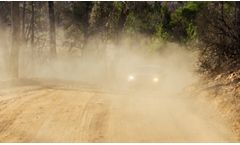
In the mining and forestry industries, where heavy traffic and substantial loads are common, road dust presents significant challenges. Beyond the obvious nuisance, dust can pose serious risks to worker health, equipment longevity, site safety, and to the ecosystem. Addressing these risks requires effective and reliable dust control technologies. Implementing these solutions not only mitigates ...

This not only lowers production costs for farmers but also reduces the environmental impact of agriculture, creating a sustainable loop where waste products contribute to the growth of future crops. Water Retention and Erosion Control In addition to improving soil fertility, biochar aids in water retention. ...

In addition to being an affordable lawn solution, hydroseeding can also be an effective choice for erosion control, helping prevent soil erosion and runoff on slopes and other hard-to-stabilize areas. ...
REDUCE MULCH THICKNESS Hydroseed slurry or mulch is thick and dense intentionally — designed this way to keep seeds and fertilizer in place in the face of natural forces like rain, wind, and erosion. When using hydroseeding as an overseeding method however, not accounting for the slurry thickness is one of the biggest mistakes you can make. ...
Hydroseeding is generally considered environmentally friendly for three specific reasons: Erosion Control: Hydroseeding can help prevent soil erosion and degradation which can negatively impact entire ecosystems. ...
Efficiency Hand seeding or broadcast seeding methods can be time consuming, and the results often leave a lot to be desired as both these methods can be dramatically impacted by environmental factors like wind, erosion, and over-drying. With hydroseeding, the slurry is applied with all the added nutrients and tackifiers necessary to both keep the seeds in place ...

“Soil aggregation and aggregate stability are indicators of good soil structure, as is the ability to resist wind and water erosion, which is sometimes included in soil health assessments alongside water infiltration,” he notes. ...
Wind Erosion Wind erosion occurs when an area with disturbed or mostly barren dirt experiences soil degradation because the wind can easily blow nutrient-rich topsoil away. ...
Unstable soil can lead to construction project delays, costly remediation, and angry customers. Your construction's success might depend on your selected erosion control company. So, don't assume any product will get the job done. Select a dust control company that has the right expertise and products to deliver the results you need. We've outlined five essential questions you should ask before ...
Erosion can lead to severe problems during even the best-planned construction projects. Due to environmental damage and land contamination risks, strict regulations require compliance, encouraging companies to choose environmentally friendly erosion control products. While traditional cost-effective solutions may be tempting, the long-term benefits of investing in sustainable options are worth ...
Erosion Control: As the slurry dries, it hardens, protecting the seeds from movement and wind or water erosion. ...
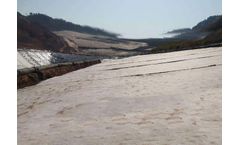
The edges of all exposed Geosynthetic Clay Liner must be pressed with sandbags or other heavy objects immediately to prevent the Geosynthetic Clay Liner from being blown by the wind or pulled out of the surrounding anchoring ditch. Geosynthetic Clay Liner cannot be deployed in windy weather conditions to prevent being picked up by the wind ⑥. ...