
Refine by
Wood Processing Articles & Analysis: This-Year
8 articles found

During coating, spray painting, drying and finishing processes, significant amounts of volatile organic compounds (VOCs), paint mist and wood dust may be generated. ...

For decades, wood waste has been viewed as an unavoidable expense in industries such as timber processing, furniture manufacturing, and construction. ...
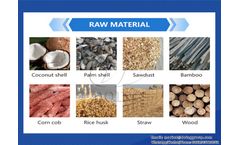
Forest Cleaning and Tending Residues: Such as shrubs, weeds, and miscellaneous branches and leaves resulting from clearing operations. Wood Processing Residues: Such as sawdust, wood chips, shavings, offcuts, bark strips, etc. By-products of Forestry Product Processing: Such as fruit shells and pits (e.g., walnut shells, palm ...
This technology not only addresses waste management issues but also helps businesses maximize production efficiency while contributing to environmental sustainability. The Process of Wood Pyrolysis Wood pyrolysis is a thermochemical process in which organic material, particularly wood, is subjected to high ...
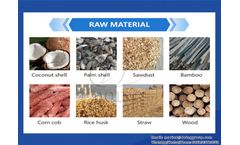
Whether in the form of agro-forestry residues—such as palm shells, coconut shells, and rice husks—or waste generated during wood processing, these materials serve as high-quality feedstocks for charcoal manufacturing. ...
Enter sawdust charcoal, a modern, environmentally friendly solution that transforms wood waste into clean, efficient fuel. What is Sawdust Charcoal? Sawdust charcoal is produced by compressing and carbonizing sawdust, a byproduct of wood processing, into solid briquettes or pellets. Unlike conventional charcoal, which often relies on cutting down ...
As industries seek renewable alternatives, biochar production, particularly through a wood pyrolysis plant, is poised to play a key role in shaping future resource markets. ...
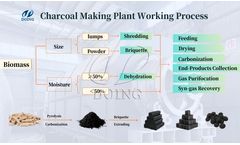
This process produces charcoal and its byproducts, such as tar, wood vinegar, and combustible gases. ...