
Refine by
Wood Processing Articles & Analysis
225 articles found

During coating, spray painting, drying and finishing processes, significant amounts of volatile organic compounds (VOCs), paint mist and wood dust may be generated. ...

For decades, wood waste has been viewed as an unavoidable expense in industries such as timber processing, furniture manufacturing, and construction. ...
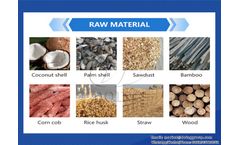
Forest Cleaning and Tending Residues: Such as shrubs, weeds, and miscellaneous branches and leaves resulting from clearing operations. Wood Processing Residues: Such as sawdust, wood chips, shavings, offcuts, bark strips, etc. By-products of Forestry Product Processing: Such as fruit shells and pits (e.g., walnut shells, palm ...
This technology not only addresses waste management issues but also helps businesses maximize production efficiency while contributing to environmental sustainability. The Process of Wood Pyrolysis Wood pyrolysis is a thermochemical process in which organic material, particularly wood, is subjected to high ...
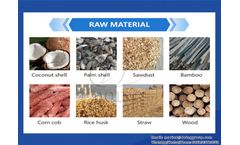
Whether in the form of agro-forestry residues—such as palm shells, coconut shells, and rice husks—or waste generated during wood processing, these materials serve as high-quality feedstocks for charcoal manufacturing. ...
Enter sawdust charcoal, a modern, environmentally friendly solution that transforms wood waste into clean, efficient fuel. What is Sawdust Charcoal? Sawdust charcoal is produced by compressing and carbonizing sawdust, a byproduct of wood processing, into solid briquettes or pellets. Unlike conventional charcoal, which often relies on cutting down ...
As industries seek renewable alternatives, biochar production, particularly through a wood pyrolysis plant, is poised to play a key role in shaping future resource markets. ...
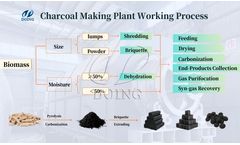
This process produces charcoal and its byproducts, such as tar, wood vinegar, and combustible gases. ...
Estimates suggest that for every ton of processed wood, up to 150 kilograms of sawdust is produced, totaling millions of tons worldwide. ...
Biochar yield is the proportion of solid carbon (biochar) obtained after the pyrolysis process of biochar pyrolysis equipment, compared to the weight of the original biomass. ...
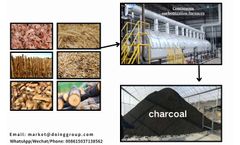
Wood charcoal preparation is the process of converting wood into a highly efficient fuel through appropriate methods. Traditionally, wood was carbonized in earthen kilns or pits, an inefficient and environmentally harmful process. ...
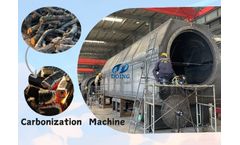
BBQ charcoal is typically made by carbonizing wood at high temperatures. This process removes moisture and volatile substances from the wood, leaving behind a solid charcoal with high calorific value and low smoke production. ...

Dealing with waste resulting from farm activities is a problem no farmer can avoid. With charges introduced for waste exemptions, it’s important to minimise waste to reduce the cost of compliant disposal, says ADAS Agricultural Consultant Cheryl Williams. Waste on farms typically arises from the normal use of inputs, but it also refers to packaging, containers, crop film, bale wrap ...
The transformation of sawdust into charcoal is a thermochemical conversion process that requires precise control of temperature, residence time, and atmospheric conditions. A modern charcoal making machine, whether processing sawdust, wood chips, or agricultural residues, is engineered for continuous operation, high yield, and minimal emissions. ...
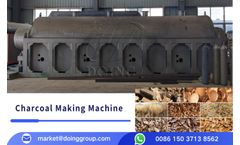
The core principle of charcoal kiln production is to heat wood or biomass at high temperature to remove moisture and volatiles from the raw materials, leaving carbon-rich charcoal. This process is called "carbonization".When producing charcoal, choosing the right raw materials and optimizing the charcoal kiln operation process are the key to ...

Wood has a complex composition, and traditional digestion methods are time-consuming and inefficient. The Tianyi Zhongke R5 microwave digester, with its advanced technology, provides a fast and safe solution for wood sample pretreatment. This article will detail its operation process and key points to help researchers improve experimental ...

By integrating its self-developed RDF/SRF preparation technology, the company has developed a bulky waste resource processing system that adds value to bulky waste. This system employs multiple refined processing techniques, including "Crushing + Pulse Dust Removal + Wind Shifter + Magnetic Separation + RDF Granulation." ...
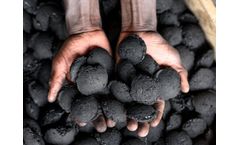
Processing the Raw Materials: Prior to pyrolysis, the raw wood must be prepared, which involves cutting it into uniform sizes. Uniformity in the raw material size ensures even heating during the charcoal production process. Wood that is too large or irregular in shape can lead to uneven pyrolysis, resulting in inconsistent ...

FRIESS electrostatic oil cleaning system In a large wood processing company, various hydraulic systems are used to convey and clamp the wooden parts to be processed. ...
In the global wood processing industry, the disposal of sawmills wood waste has long been a significant issue. ...