
Refine by
Workplace Exposure Articles & Analysis
84 articles found
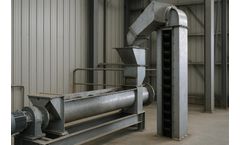
Dust containment requires sealed transfer boundaries, negative-pressure ventilation, and loading practices that minimize drop heights and high-velocity impacts. The UK Workplace Exposure Limit for lead is 0.15 mg/m³ as an 8-hour time-weighted average; proper dust control maintains levels below this threshold, whereas insufficient systems can exceed it ...

Traditionally, their manufacturing processes and materials have involved significant environmental impact, including high energy consumption, emissions from coatings, and the use of hazardous substances.Moving towards eco-friendly materials and coatings can help:Reduce the carbon footprint of crane production and operationLower the release of volatile organic compounds (VOCs) and toxic ...

Silica dust is causing life-changing problems for stone masons Silicosis is one of the most dangerous respirable lung diseases in the workplace, especially when exposure to harmful silica dust is a common occurrence, such as in the stone industry. It is estimated that globally, 40 to 50 million workers are exposed to silica dust in the ...
When it comes to health and safety in the workplace, real-time monitoring and real-time data is vital to managing control measures for exposure to hazardous substances, whether it be dust, gases or other substances. Real-time monitoring allows workplaces to see spikes in exposure do something about it. “Real-time ...

By lowering labor dependency, businesses mitigate risks associated with workforce shortages, training cycles, and wage volatility. It also improves workplace safety by reducing exposure to heat zones and repetitive motion injuries. ...
It is estimated that every 30 seconds, somewhere in the world, one worker dies as a result of exposure to toxic chemicals, pesticides, radiation and other hazardous substances.1 The effects of exposure can develop quickly or take years to develop, leaving workers vulnerable to asthmatic and allergic reactions and longer-term illnesses such as cancer and cardiovascular, respiratory and nervous ...
ByCasella

Organizations such as the National Fire Prevention Association (NFPA) and the government-run Occupational Health and Safety Administration (OSHA) set standards and guidelines for equipment manufacturers to ensure maximum workplace safety from dust exposures. Dust monitoring systems ensure that your operations remain within legal limits, avoiding potential fines ...
It’s called the permissible exposure limit (PEL). This limit is 50 parts per million (ppm) over an 8-hour work shift. ...

Leak Detection and Repair (LDAR) programs are utilized in refineries and other industrial environments where volatile organic compounds (VOCs) are abundantly present. In principle, LDAR elements are designed to eliminate fugitive emissions by optimizing equipment monitoring, reporting, and maintenance. However, there are many more benefits of a properly implemented LDAR program worth knowing as ...

Global regulations state that employers have a duty of care to protect the health, safety and welfare of employees. It is therefore critically important to keep workers’ occupational exposure to harmful gases within permissible limits. The following article explains how, for businesses that handle hazardous vapours, failure to comply with this duty can have disastrous ...
The European Commission have announced a proposal to introduce their first-ever workplace exposure limit for Dissocyanates. Diisocyanates describe various chemicals that are often grouped based on their common properties, and which can cause respiratory diseases like asthma. ...

Health and Safety Executive release safety alert on exposure risks to diacetyl vapour (2,3 butanedione) What is Diacetyl? ...
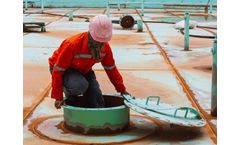
Exposure limits and worker safety: Choosing the right personal or portable gas detector Worker health and safety laws have come a long way in recent years. Even in the last few decades introductions of PPE (personal protective equipment), safer working conditions, and limits on exposure to dangerous chemicals and gases have become commonplace. A key part of being able to ensure these safety ...

As it is colourless and odourless, CO2 leaks can remain unnoticed until concentrations are sufficiently high to cause symptoms such as dizziness, headaches and raised heart rate and, later, have potentially fatal consequences.2 In Great Britain, as CO2 has been classed ‘substance hazardous to health’ since 2002, it is a legal requirement to have CO2 measurement or detection and alarm ...

Monitoring Benzene exposure: Choosing the right solution for safety and health As a common carcinogen found in many industrial applications, there is a need to protect against benzene exposure for workers, the public and the environment. ...
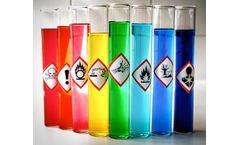
Continued exposure to ammonia may cause asthma-like allergy symptoms and, possibly, permanent lung damage. Workplace Exposure Limits According to the Occupational Safety and Health Administration (OSHA), the permissible exposure limits (PELs) for nitric oxide, nitrogen dioxide, and ammonia are set forth below: Nitric Oxide: ...

The effects on worker’s health depends upon how much benzene they are exposed to and for how long and as with other organic solvents, the immediate effects of a single exposure to a high concentration (hundreds of ppm) e.g. from a fugitive process leak, include headache, tiredness, nausea, dizziness and even unconsciousness if the exposure is very high ...
The legal limits on emissions of and exposure to VOC gases vary from place to place, and are set by authorities including the Health & Safety Executive EH40/2005 ‘Workplace exposure limits’ and the Occupational Safety and Health Administration OSHA. ...

The World Health Organization (WHO) declared the novel coronavirus, known as COVID-19, a global pandemic on March 12, 2020, therefore changing our lives in the process. Around the world, different mitigation strategies have been employed to slow the spread and decrease the risk of exposure to the virus at federal, regional and state government levels. Essential employees are designated as those ...
As the Chartered Society for Worker Health Protection, BOHS supports every initiative aiming to achieve healthy workplaces and reduce the burden of preventable diseases caused by exposure to workplace hazards. ...