
The High-Resolution Dividend: How Premium OGI Camera Price is Offset by Rapid Leak Detection ROI
Executive summary: A premium cooled OGI camera's higher upfront cost is offset by rapid leak detection ROI through product recovery, tax mitigation, and uptime. This article outlines the financial logic and key metrics for decision-makers in LDAR programs.
Cost and value drivers behind premium OGI cameras
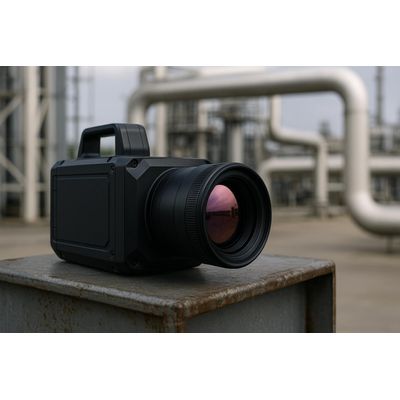
The primary cost driver is a cooled MWIR detector (InSb or SLS) with a Stirling cryocooler reducing sensor temperature to about -196 C. This enables NETD under 10 mK, enabling visualization of micro-leaks that uncooled cameras miss. In contrast, uncooled devices operate at ambient temperature with NETD > 30 mK. This sensitivity difference translates into the ability to detect minute density changes and reduce missed leaks.
Certification and regulatory compliance
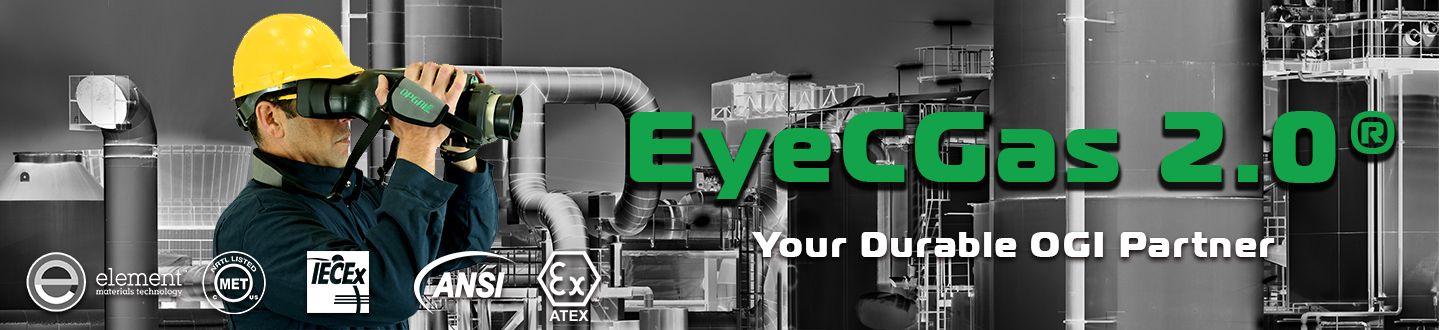
Premium units include Intrinsically Safe certification (Zone 2/Class I Div 2) to avoid ignition hazards and hot-work permits. They also support EPA Appendix K compliant manufacturing, automated calibration validation, and data logging—capabilities cheaper hardware cannot deliver.
Financial rationale: turning leaks into revenue
Example: a 5 kg/hour leak translates to 43.8 metric tons per year. If five micro-leaks are missed at a large facility, unrecovered product could reach 219 metric tons annually. Detecting and correcting leaks promptly converts that gas back to sales, allowing the premium camera to pay back its cost in months.
Regulatory tax considerations: the methane waste emissions charge
As of 2026, the Methane Waste Emissions Charge is capped at $1,500 per metric ton of methane above thresholds under EPA Subpart W and the Greenhouse Gas Reduction Program. If a cheaper camera saves $40,000 upfront but misses leaks totaling 50 tons in a year, the tax liability would be $75,000, yielding a net loss of $35,000 in the first year. A premium OGI with quantitative measurements reduces missed gas and taxable emissions.
Operational efficiency and downtime
Manual sniffing (Method 21) requires extensive labor. An OGI scan enables Smart Scanning, reducing survey time from 14 days to 2 days, saving labor costs. Intrinsically Safe operation allows entry into Zone 1/Zone 2 without hot-work permits, reducing downtime and permitting delays in high-throughput facilities.
Comparative financial view for procurement
Key metrics across a typical 24-month horizon:
- Initial CAPEX: Entry-Level / Uncooled Camera — Low; Premium System — Premium
- Minimum Detectable Leak Rate: Entry > 15 kg/hr (Poor); Premium < 1 kg/hr (Elite)
- Annual Product Loss (Gas Escaping): Entry $30,000–$50,000; Premium Near Zero
- Subpart W Methane Tax Exposure: Entry High Risk ($1,500/ton on missed gas); Premium Insulated (Empirical Quantification)
- Hot Work Permit Downtime: Entry High; Premium Zero
- Break-Even ROI Timeline: Entry Indeterminate; Premium 3 to 6 Months
Conclusion: Precision-equipped OGI is a high-yield asset that protects revenue, reduces tax liabilities, and lowers labor costs. In 2026, missing leaks is exceptionally costly; investing in high-sensitivity OGI enhances asset performance and regulatory compliance, delivering measurable ROI within months rather than years.
Original: https://www.opgal.com/blog/blog/the-high-resolution-dividend-how-premium-ogi-camera-price-is-offset-by-rapid-leak-detection-roi/