
Amalgam Separation Articles & Analysis
5 news found
Many states and local wastewater districts have started mercury pollution control programs that require amalgam separators in dentist offices. Amalgam separators remove 90 to 95 percent of mercury and other metal waste. ...

“We have already installed systems in Finland and Poland, and initial users have been delighted with the CMM’s ability to measure low Mercury levels without cross-interference from gases such as Sulfur Dioxide. No separate chemicals, gold amalgamation concentrators, air scrubbers or additional gases are required, so operational costs are also very ...
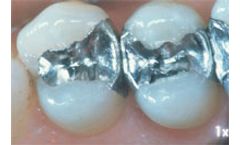
Dental offices will be able to use existing technology to meet the proposed requirements. Amalgam separators can separate out 95 percent of the mercury normally discharged to the local waste treatment plant. The separator captures the mercury, which is then recycled and reused. Until the rule is final, EPA encourages dental ...

The sources of mercury in wastewater include dental amalgam and household use of products containing mercury. For several years the Northeast has experienced elevated levels of mercury in certain fish species that have resulted in thousands of fish consumption advisories at lakes and rivers across the region. ...
In the future, the group plans a mercury thermometer exchange on tribal lands, community education on pharmaceutical disposal and burn barrel hazards, and outreach to dentists on amalgam separators. The SOLEC Success Story Awards are presented every two years to groups in government, industry, not-for-profit, non-governmental environmental groups, and First ...