
Refine by
Asthma Trigger Articles & Analysis
444 news found

This year, the global observance included World Asthma Day on May 5, reinforcing the importance of reducing exposure to asthma triggers and improving air quality in everyday environments. ...

” Zimmetry’s professionals provide comprehensive testing, monitoring, consulting, and training services designed to identify and mitigate exposure risks associated with: Biological, chemical, and radiological pollutants Infectious disease pathogens Allergens, asthma triggers, and respiratory irritants Mold growth conditions and moisture issues HVAC ...

The U.S. Environmental Protection Agency (EPA) warns that indoor air can be up to five times more polluted than outdoor air, a concern that extends beyond residences to workplaces, schools, and other commercial or institutional spaces across Puerto Rico. Everyday activities and materials often release microscopic pollutants that can affect breathing and overall well-being. Among the most common ...

Asthma remains one of the most prevalent chronic conditions among children in the United States, affecting millions of students and contributing to missed school days and academic setbacks. ...

Mold can not only cause unpleasant odors in the built environment, it can also cause allergies, act as a respiratory irritant, trigger an asthma attack in some asthmatics, and some types of mold can even lead to infections in people with a weakened immune system. ...
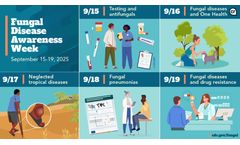
However, exposure can cause other concerns for almost everyone, since breathing elevated concentrations of fungi can cause respiratory irritation, allergies, and act as an asthma trigger for some asthmatics.” In Puerto Rico and throughout the Caribbean, the industrial hygiene, indoor environmental quality, and infection control professionals at Zimmetry ...
The National Institute for Occupational Safety and Health (NIOSH) describes work-related asthma as asthma triggered by exposures at work. The agency reports that there are over 300 known substances in the workplace that can cause or worsen asthma. ...

A factsheet about the health risks of secondhand smoke and aerosols from vaping was recently published by the U.S. Environmental Protection Agency (EPA). In it, the agency warns that smoking tobacco or marijuana, and vaping with e-cigarettes or other devices, can release harmful chemicals into the air in homes and buildings. People around the smoker or vaper are also exposed to these chemicals ...
Aeroallergens, which are airborne substances such as mold or pollen that can trigger an allergic reaction in some people following inhalation or dermal contact, are often found in dust. In some asthmatics, aeroallergens could trigger an asthma attack, or potentially worsen other respiratory diseases. ...

More severe reactions may involve respiratory symptoms such as runny nose, sneezing, itchy eyes, scratchy throat, and asthma.” To protect workers and building occupants from these types of exposure risks, the industrial hygiene and indoor air quality experts at Zimmetry Environmental are here to help. They offer testing, monitoring, consulting, and training services to ...
“Allergens that could be in dust, such as dust mites, pollen, mold, and other substances, can trigger an allergic reaction in some people following inhalation or dermal contact. In some asthmatics, aeroallergens could trigger an asthma attack, or potentially worsen other respiratory diseases. ...

Our professionals provide testing, monitoring, consulting, and training services to identify and mitigate exposure to biological, chemical, and radiological pollutants; infectious pathogens; and asthma triggers, allergens, and respiratory irritants. Our building assessments can assess the effectiveness of infection control efforts, HVAC system filtration, ...

The month of May is dedicated to asthma control and education to increase awareness about the disease and how those with it can prevent or mitigate exposures to asthma triggers, allergens, and respiratory irritants. ...

“For some asthmatics, breathing elevated concentrations of these spores could trigger an asthma attack. Alternaria, like many other types of fungi, could even act as a respiratory irritant or be a concern for those who already suffer from various respiratory ...

“Exposure to elevated concentrations could also trigger an asthma attack in some asthmatics. Inhaling Alternaria or other types of fungi could even act as a respiratory irritant or be a concern for those who already suffer from various respiratory diseases. ...
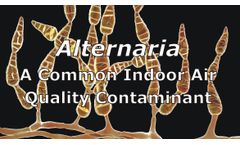
Alternaria is a common cause of allergies, and it can act as an asthma trigger for some asthmatics. It is also a known respiratory irritant, and can potentially cause infections in people with a weakened immune ...

Pollen can also aggravate other respiratory diseases, including asthma and chronic obstructive pulmonary disease (COPD). “We need outdoor air entering our buildings to dilute pollutants we generate indoors but cannot otherwise control by source removal, substitution, engineering controls, etc. ...
It’s important to note that elevated levels of mold, even without the presence of mycotoxins, are a known allergen, respiratory irritant, and asthma trigger. Some types of mold associated with indoor mold growth can also cause opportunistic infections in people with a weakened immune system. ...
People can come in contact with pet allergens by touching animals and contaminated surfaces, and by breathing air laced with allergens. Pet allergens can even act as asthma triggers for some people with the condition. Unfortunately, allergies to pets are quite common. ...
Some of these fire residues are regulated hazardous materials, while others are nuisance dusts. These can act as asthma triggers for vulnerable staff, and some may have lasting neurological effects on students. ...