
Refine by
Basic Sanitation Articles & Analysis
72 news found
By the time you arrived on this page, AI probably already played a role in your day. Maybe you pulled up ChatGPT to write an email or fix faulty python code or diagnose the cause of your headache. Perhaps you used Adobe’s AI feature to extract the specific piece of information you needed from a 175-page report. Or, at the very least, AI algorithms likely directed you to this page either ...
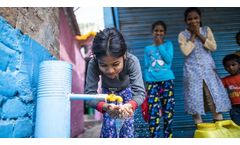
WaterAid and Microsoft Corporation announced the launch of two new programs to deliver sustainable, climate-resilient water, sanitation and hygiene services to communities in India and Nigeria. In India, a groundwater recharge program will serve more than 60,000 people and address water scarcity in the urban Hyderabad and rural Karnataka areas. ...
ByWaterAid
Interested companies must meet the following requirements: Be a small or medium-sized company with a branch or partner in Latin America and have experience in technological solutions for water and sanitation. Have a proven track record of successful implementation of technological solutions in water and sanitation projects. Have a highly qualified team of ...

Figures show that approximately two billion people currently lack access to safe drinking water, while around 1.7 billion lack access to basic sanitation services, all of which lead to hundreds of thousands preventable deaths every year. ...
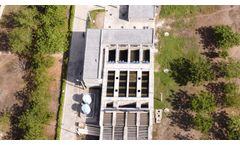
The utility Aguas del Sur del Atlántico E.S.P. (Aqsur) is currently optimizing its water treatment plants in the Atlántico Sur Department. The ongoing project, which began over four years ago, is being rolled out in a partnership between the multinational Idrica (Aguas de Valencia) and Naunet (Saur). The project started with a preliminary assessment of the operating conditions of ...
ByIdrica
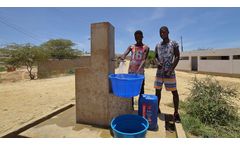
Implemented in Sierra Leone between 2013 and 2021, the Rural Water Supply and Sanitation Project has increased access to safe drinking water by 13% and to safe basic sanitation by 3%. Approximately 720,000 people have benefited from rural water supply developments, while 25,371 households have gained access to safe basic ...
Many countries, and the United Nations, have recognized the urgency of water access by passing resolutions recognizing the human right to water and sanitation. The U.S. federal government should signal its leadership on this issue by doing the same. ...
Two decades into the 21st Century, almost 2 ½ billion people around the world lack access to basic sanitation services, such as toilets or latrines. While it is unlikely that we will be able to achieve the target of the United Nations Sustainable Development Goal 6.2 (SDG6.2) in the timeframe suggested – “By 2030, achieve access to adequate and ...
Here is How Olansi Air Purifiers Work Basically, the role of these units is to sanitize the air to filter different types of harmful particles, such as toxins, allergens, and pollutants. ...
ByOlansi
With the continuing spread of COVID-19, it is important to ensure that we are meeting the proper CDC guidelines for disinfecting our facilities. Often at times, basic and effective sanitation is overlooked. However, with the right equipment, businesses can effectively provide a safe, working environment for their employees and customers. ...
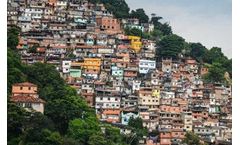
Lack of basic water and sanitation infrastructure in favelas is impeding hygiene measures to stop the pandemic Brazil is the world’s fifth largest nation in terms of both its population of 210 million and its vast 3,287,597-square-mile (8,514,837 km2) area. ...

In a world full of pollution sanitation and basic hygiene have become the key factors if a person wants to remain healthy. ...
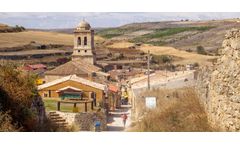
.: Many citizens in Western and Central Europe, as well as in North America, also suffer from the lack of or inequitable access to water and sanitation services. In Europe and North America, 57 million people have no piped water connection, while 21 million have no basic drinking water service, and 6 million lack basic ...
Many countries are challenged in providing adequate sanitation for their entire populations, leaving people at risk for water, sanitation, and hygiene (WASH)-related diseases. Throughout the world, an estimated 2.4 billion people lack basic sanitation (more than 32% of the world’s population) 1, 2. Basic ...
Improvements in water resources management and access to water supply and sanitation services are essential to addressing various social and economic inequities, such that ‘no one is left behind’. Safe drinking water and sanitation are recognized as basic human rights, as they are indispensable to sustaining healthy livelihoods and ...
Today, World Toilet Day, is about inspiring action to tackle the global sanitation crisis. Around the world 4.5 billion people live without a safe toilet, and 892 million practice open defecation. The consequences of exposure to human feces on this scale are devastating for public health, living and working conditions, nutrition, education and economic productivity across the ...
People lacking access to improved sanitation is 2.4 billion worldwide, and with increasing trends of urbanization, and extreme weather events due to climate variability, the time to act on urban sanitation is now. ...
Although the majority of the population in Nepal has secure access to drinking water, the conditions surrounding access to basic sanitation still pose a challenge. Viva con Agua is actively promoting the need to maintain and continuously improve the existing water supply system. ...
ByH2O GmbH
Water means life and to ensure fair access to basic water supplies for the less privileged or those currently less well served NIVUS support Welthungerhilfe and their partner projects. Viva con Agua is a network of people and organisations committed to establish access to clean drinking water and basic sanitation for all humans worldwide in ...
Furthermore, KURITA´S donation helps to improve the sanitation and hygiene status of the refugee population in the Dadaab camps. ...