
Digester Gas Processing Articles & Analysis
7 news found
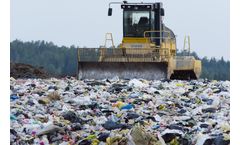
In the UK alone more than 100 million tonnes of waste are generated every year requiring an enormous workforce to sort and process this waste each day. The recycling and waste management industry is constantly growing and developing due to the need for innovative technologies and processes required to deal with increasingly dangerous waste. ...

” To provide biological long-term support for operational plant, regular examination of the substrate quality and the ambient conditions of the anaerobic biology in the digester is essential. This enables a proactive approach and is the only way to identify negative trends and intervene before they become problematic – thus avoiding long-term problems with ...
” To provide biological long-term support for operational plant, regular examination of the substrate quality and the ambient conditions of the anaerobic biology in the digester is essential. This enables a proactive approach and is the only way to identify negative trends and intervene before they become problematic – thus avoiding long-term problems with ...

Seabreeze Farm purchased the Greenlane Biogas system for a new treatment facility to upgrade biogas generated by an anaerobic digester designed and supplied by CH Four Biogas. The upgrader will process the biogas from approximately 24,000 tonnes of cow manure and off-farm organics to produce over 2 million cubic metres of pipeline grade RNG annually. ...

Base Structures have designed and currently manufacture a biogas storage membrane for use as a gas accumulator in the anaerobic digestion process. Methane gas is stored within the accumulator in a factory sealed fabric ‘bag’. ...

Unique Imtech technologyImtech's advanced processing technology - specifically used mechanical and biological process technology solutions - enables the waste processing plant to obtain a high level of recyclable materials and a high level of energy resources in the form of biogas and residual fuels. This gas is produced from ...

Move Away from Beef and Cheese: Cows and other ruminant animals emit methane gas during their natural digestive process. Cafés will offer up creative low carbon substitutes to traditional beef burgers like BBQ turkey burger with onion strings or grilled Vietnamese-style chicken and pork burgers with pickled carrot and daikon. ...