
Refine by
Disease Process Articles & Analysis
79 news found

EPA’s list of at-risk populations includes the following: · People with asthma and other respiratory diseases - Air pollution, such as wildfire smoke, may not affect healthy people, but for people with chronic lung diseases, such as asthma and COPD, it can lead to breathing difficulties and trigger exacerbations of their ...

EPA’s list of at-risk populations includes the following: People with asthma and other respiratory diseases - Air pollution, such as wildfire smoke, may not affect healthy people, but for people with chronic lung diseases, such as asthma and COPD, it can lead to breathing difficulties and trigger exacerbations of their disease. People with ...

Infectious diseases are disorders caused by organisms — such as bacteria, viruses, or parasites. A vaccine is a specialized biological formulation that triggers the immune system to recognize and activate protective responses against specific disease-causing agents. With the global landscape of infectious diseases continually evolving, ...
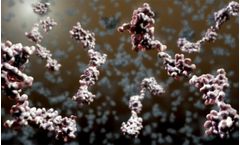
This transformative service promises to unlock the mysteries of protein interactions, offering researchers unprecedented insights into biological processes and disease mechanisms. Protein-protein interactions are the cornerstone of cellular functions and signaling pathways, playing a pivotal role in understanding various biological processes. ...
As the field of genomics continues to evolve, long non-coding RNAs (lncRNAs) have emerged as a fascinating frontier, offering unprecedented insights into the complex regulatory mechanisms underlying biological processes and disease states. CD Genomics, a leading provider of high-throughput sequencing services, is at the forefront of this exciting development, ...

This innovative service is set to revolutionize the field of proteomics by offering a comprehensive analysis of protein lipidation, a crucial post-translational modification with implications in various biological processes and diseases. Proteins are the workhorses of the cell, carrying out a vast array of critical functions. ...

Small molecule drugs have a proven track record of success in treating a wide range of diseases, including cancer, cardiovascular disorders, and infectious diseases. By leveraging the potential of small molecules, our clients can benefit from: Targeted Therapies - Small molecules can be designed to selectively modulate specific biological targets, allowing for ...

These new offerings provide researchers with a comprehensive solution for studying the interactions between proteins, lipids, and nucleic acids, enabling a deeper understanding of cellular processes and disease mechanisms. Protein-lipid and protein-nucleic acid interactions play crucial roles in various biological processes, including signal ...
Their versatility has propelled their adoption in various research pursuits, including the exploration of cancer, inflammatory processes, and infectious diseases. Moreover, lectins have garnered attention in the commercial sphere, paving the way for the development of diagnostic tools, therapeutic agents, and food additives. ...
Investigation of Complex Genomic Regions: LAA empowers scientists to delve into complex genomic regions that hold critical biological insights, such as regulatory elements, disease-related genes, and repetitive sequences. 3. Targeted Gene Analysis: Offering an economical and efficient solution for targeted gene analysis, LAA proves ideal for studying specific regions of ...

Proteomics, the study of the structure and function of proteins in cells, plays a critical role in understanding biological processes such as cellular signaling, disease mechanisms, and drug development. ...

Initially developed to fight human diseases like cancer and other difficult to treat diseases, Oerth’s patented PROTAC® (PROteolysis TArgeting Chimera) protein degradation technology provides an innovative pathway to entirely novel crop protection and climate resilient farm solutions. ...
ByBayer AG

Cellworks Personalized Therapy Biosimulation The Cellworks Platform biosimulates how a patient's personalized genomic disease model will respond to therapies prior to treatment and can also identify novel drug combinations for treatment-refractory patients. The platform is powered by the groundbreaking Cellworks CBM, a highly curated mechanistic network of 6,000+ human genes, ...

Networks are a great tool for discovery and prediction, especially when exploring complex processes and diseases where differential gene expression analysis is not providing results. ...

“A breakthrough biofungicide that sets an uncompromising new standard for managing key seedling diseases in corn and soybean acres, biotrinsic X19 works by empowering the plant’s natural disease management ...
” Cellworks Therapy Biosimulation The Cellworks Platform biosimulates how a patient's personalized genomic disease model will respond to therapies prior to treatment and can also identify novel drug combinations for treatment-refractory patients. The platform is powered by the groundbreaking Cellworks Computational Biology Model (CBM), a highly curated mechanistic network ...

These interactions affect fundamental processes and as a result, relevant protein DNA/RNA processing complexes and their associated mechanisms provide interesting therapeutic targets to researchers. ...
Cellworks Biosimulation Platform The Cellworks Biosimulation Platform simulates how a patient's personalized genomic disease model will respond to therapies prior to treatment. The platform is powered by Cellworks groundbreaking Computational Omics Biology Model (CBM), a network of 7,000+ human genes, 30,000+ molecular species and 100+ signaling pathways. As part of the ...
“The myCare-203A study shows us that the Cellworks Biosimulation Platform and SingulaTM TRI can streamline the treatment decision-making process and improve NSCLC patient outcomes through personalized therapy response ...
“Using Cellworks SingulaTM TRI, we can simulate the molecular effects of cell signaling, drugs and radiation on patient-specific in silico diseased cells prior to treatment and then identify the magnitude of disease control and survival for specific anti-tumor strategies. ...