
Refine by
Electron Microscopy Articles & Analysis
129 news found

The development and application of Diamond-Like Carbon (DLC) coatings have reached new heights, offering unparalleled performance improvements across multiple industries. DLC is a super-hard, amorphous carbon material that can be applied as a coating to a wide range of substrates, enhancing hardness, wear resistance, and reducing surface friction. These advancements make DLC coatings increasingly ...

His thesis was centered on the Photolithography process, Scanning Electron Microscopy, and Reactive Ion Etching ...
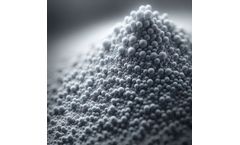
The newly produced CRMs, ERM-FD104 and ERM-FD105, provide a reliable and consistent basis for nanomaterial testing, enabling laboratories to validate their electron microscopy-based testing methods and accurately measure the particle size and size distribution of powders containing nanoparticles and small particles, a critical aspect of nanomaterial ...

These kits are supplied with microtiter plates precoated with VLP antigen. The VLPs are HPV L1 VLPs and electron microscopy has confirmed that they are complete virus-like particles, not just proteins. ...

These nanoparticles are also well suited for conjugate development for blotting and electron microscopy applications. They are rigorously manufactured to minimize endotoxin levels, ensuring accurate and reproducible results. ...
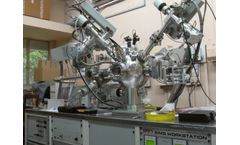
The flexibility of sputter-sectioning, in combination with the principal advantages of SIMS technique, such as large dynamic range both in the mass separation and detection systems, enables the SIMS technique to be extremely sensitive for the quantitative analysis of solid surfaces and thin films. With optimized experimental conditions, like extremely low primary beam current (down to ~ 10 nA) ...

Their services include protein crystallization, electron microscopy, NMR spectroscopy, custom membrane protein production, liposome and exosome services, and more. ...
From protein adsorption and diagnostic assays to electron microscopy, instrument calibration, and even coating materials for contrast agents and anti-cancer drugs, CD Bioparticles’ Plain Polystyrene Particles can help customers realize these applications. ...

Using specialized techniques such as scanning electron microscopy (SEM) and atomic force microscopy (AFM), the company examines the surface morphology, topography, and dimensional characteristics of microneedles. ...
Negative staining electron microscopy (Negative staining EM) is widely used in sample analysis because it eliminates the need for complex procedures such as fixation, dehydration, embedding, and ultra-thin slicing. ...
Hiden Analytical, a leading provider of advanced scientific instrumentation, today announced the successful application of its Quadrupole Focused Ion Beam Secondary Ion Mass Spectrometry (FIB-SIMS) for lithium-ion battery research. This ground-breaking technique offers unparalleled sensitivity and resolution for low mass detection of lithium, significantly advancing the study of lithium-ion ...
Creative Biostructure, a biotechnology company specialized in providing custom services in the field of microscopy technology, now offers a series of sophisticated techniques to help perform virus detection and identification as well as viral infection research. ...

Health Technology Innovations, Inc. today becomes a verified provider of cryogenic-electron microscopy (cryo-EM) services on Science Exchange, the platform for outsourced R&D. ...
As a new type of fluorescent marker, NIR quantum dots have excellent biological imaging properties, such as high fluorescence intensity, good fluorescence stability, sufficient electron density, and strong tissue penetration ability. Due to these advantages, NIR quantum dots have great potential in early cancer diagnosis, tumor imaging in vivo, and high-resolution ...
Creative Biostructure’s microscopy and expertise can be used for routine and non-routine characterization and analysis of many different types of materials, including but not limited to: Biomacromolecules (e.g., membrane proteins, viruses, and antigen-antibody complexes) Live cells, organelles and exosomes Tissue samples (e.g., embryos, brain slices, and whole organs) ...

Creative BioMart Microbe, a sub-brand of Creative BioMart that provides microbiological services and products to multi-industry customers, now provides customers with a series of technical services related to biofilms. Biofilm is a unique structure attached to the surface by microorganisms and extracellular polymers, mainly composed of polysaccharides, proteins, nucleic acids, and lipids. ...
And these techniques cover the following wide-ranged methods: differential scanning calorimetry (DSC), isothermal microcalorimetry, hot stage microscopy (HSM), vibrational spectroscopy, powder X-ray diffraction (PXRD), solid-state nuclear magnetic resonance spectroscopy (ss NMR), scanning electron microscopy (SEM), self-interactive chromatography ...
Nanoplates are classified as having only one dimension in the nanometre range. The most widely utilized types of nanoplates are silicate clay minerals (montmorillonite) and graphite, which both exist in the form of layered materials. The main advantage of layered nanomaterials is their potentially large aspect ratio and unique intercalation/exfoliation characteristics. Nanoplates can be applied ...
CD Bioparticles' carboxylated gold nanoparticles are available in 12 different sizes ranging from 5-100nm, more than 95% spherical, with uniform size distribution (CV<12%). these gold nanoparticles reserved better size distribution, as well precisely engineered surface and optimized carboxyl density for easy bonding. they are ideal developing conjugates blotting, lateral flow analysis, lspr ...

After obtaining the Tara gum product, the quality and safety of the product will be detected by infrared spectroscopy, scanning electron microscopy and other techniques. “The newly launched service helps our customers to reduce costs, save time, and minimize reagent ...