
Refine by
Explosion Hazard Articles & Analysis
203 news found

Cygnus 1 Ex is Intrinsically Safe When we say the Cygnus 1 Ex is Intrinsically Safe, we mean it’s designed to operate with extremely low energy levels - not enough to ignite a hazardous atmosphere, even in the event of a fault. Intrinsic safety is a protection concept used in hazardous area environments. ...
To celebrate our best-performing product, 3 years since launch, we’re offering a FREE* Cygnus S2C-Ex Probe when you order a Cygnus 1 Ex PRO Anniversary kit (includes a Cygnus 1 Ex PRO Gauge and a Cygnus T5B-Ex Probe)! Understanding Explosive Atmospheres The term "Ex" refers to explosive atmospheres and is globally recognized in systems designed to prevent ...

Whether you’re peering into a jet engine or diagnosing a clogged drain, borescopes are the unsung heroes of remote visual inspection. These versatile tools are designed for anyone who needs to see inside tight, dark, or hard-to-reach spaces — without tearing things apart. So, who actually uses ...
A Design That Excels in Safety Unlike other types of valves, weir type diaphragm valves are hermetically sealed which means it eliminates the risk of leaks, making them a top choice for hazardous or explosive environments. Their seal protects against contamination, ensuring safety in critical applications like handling toxic chemicals or sterile pharmaceutical ...
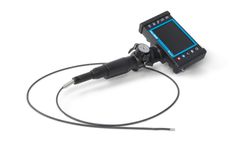
The VIDEOSCOPE-XT is a robust explosion-proof borescope designed for safe and precise inspections in high-risk environments. ...

Conveyor belts are essential tools for transporting fuel in many in coal- and biomass-fuelled industrial processes. They can be found power plants, in fuel production facilities and at railheads and ports where the fuel is loaded and unloaded. Oxidation can cause stored fuel to heat up and even to spontaneously combust, so it is important to check that the fuel is in a safe condition before ...
ByLAND®
Many industrial processes involve flammable or explosive materials. These include the oil and gas, chemicals, coal and metals industries. A hazardous area is one where a fire or explosion hazard may be present, either as an inevitable part of the process or as a consequence of an abnormal condition such as a gas leak. Equipment ...
ByLAND®
The purpose of the revised NEP is to continue OSHA inspections of facilities that generate or handle combustible dusts likely to cause fire, flash fire, deflagration, and explosion hazards. The agency reports the revisions introduce a new approach for locating and inspecting subject establishments. Annually, OSHA conducts around 600 inspections per year looking ...

The 4B product range includes elevator buckets, elevator bolts, elevator belting and belt fasteners, forged chain, level controls and hazard monitoring sensors and control systems that reduce the risk of explosions in hazardous areas and minimize downtime through predictive maintenance. 4B has been serving customers in the Middle East for many ...

Environmental Protection Agency (EPA) include: · Volatile organic compounds (VOCs), such as trichloroethylene and benzene · Select semi-volatile organic compounds (SVOCs), such as naphthalene · Elemental mercury · Some polychlorinated biphenyls and pesticides The agency goes on to warn that in extreme cases, the vapors may accumulate ...

Environmental Protection Agency (EPA) include: · Volatile organic compounds (VOCs), such as trichloroethylene and benzene · Select semi-volatile organic compounds (SVOCs), such as naphthalene · Elemental mercury · Some polychlorinated biphenyls and pesticides EPA goes on to warn that in extreme cases, the vapors may accumulate in ...

The purpose of the revised NEP is to continue OSHA inspections of facilities that generate or handle combustible dusts likely to cause fire, flash fire, deflagration, and explosion hazards. The agency reports the revisions introduce a new approach for locating and inspecting subject establishments. ...

The purpose of the revised NEP was to continue OSHA inspections of facilities that generate or handle combustible dusts likely to cause fire, flash fire, deflagration and explosion hazards. OSHA warns that any combustible material can burn rapidly when in a finely divided form. If such a dust is suspended in air in the right concentration, and under certain ...
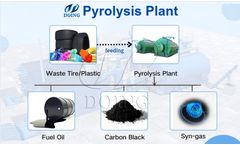
The high temperatures involved may lead to fires, explosions, and the release of hazardous gases. Thus, ensuring the safety of pyrolysis projects is of utmost importance. ...

In the realm of safeguarding workplaces from hazardous levels of toxic and explosive gases, the creators and innovators behind gas detection instruments and systems play an imperative role. ...

“Not only is there a fire danger, but there can also be an internal pressure explosion hazard, a toxic gas emission hazard, and a flammable gas emission hazard. In addition to heat, fire, and explosion dangers, there are environmental exposure concerns involving metal particles that may include lithium, ...

The purpose of the revised NEP is to continue OSHA inspections of facilities that generate or handle combustible dusts likely to cause fire, flash fire, deflagration and explosion hazards. According to OSHA: The NEP was revised based on enforcement history and combustible dust incident reports. In 2018, wood and food products made up an average of 70 percent of ...

“There can also be an internal pressure explosion hazard, a toxic gas emission hazard and a flammable gas emission hazard. ...
“When lithium batteries fail to operate safely or become damaged, they can present a fire hazard, an internal pressure explosion hazard, a toxic gas emission hazard and/or a flammable gas emission hazard. ...
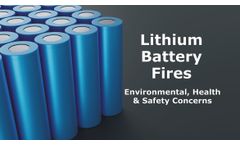
“Unfortunately, when they fail to operate safely or become damaged, they can go into thermal runaway creating a fire hazard, explosion hazard and a toxic gas emission hazard. There are also a number of metal particulates one could be exposed to even after a lithium battery fire. ...