
Fish Screen Articles & Analysis
16 news found
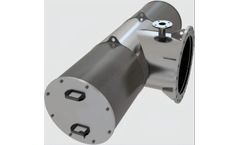
A wedge wire cooling water intake screen is a filtration system designed to efficiently remove debris, sediment, and aquatic organisms from the cooling water entering a power plant. ...
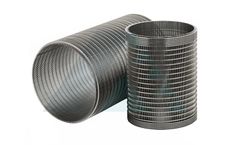
It is ideal for applications requiring reliable, continuous filtration. Our drum screens allow higher throughput and cleaner output than conventional wedge wire flat screens. Click here to learn about: How Does a Rotary Drum Screen Work Key Features of Stainless Wedge Wire Mesh Drum Screens - Self-Cleaning Capability The drum ...

By removing sediments, debris, and organic matter, these filters ensure that irrigation water is clean and free from clogging agents, thereby optimizing crop growth and minimizing equipment maintenance. ▪ Livestock Watering: Wedge wire screen filters are employed in watering systems to remove impurities and ensure a continuous supply of clean water to livestock, contributing to ...

Crop processing: Wedge wire filters can be used for drying, cleaning, and screening crops. ? Aquaculture: Wedge wire screens are used in aquaculture systems to filter and remove solid waste from fish tanks and ponds. ...

The CADD platform supports virtual screening of active compounds, structure optimization of lead, and computer-aided ADME/T prediction in drug development. ...

They say the fish will be unable to avoid the pipes, which take in 131 cubic metres of seawater every second. ...
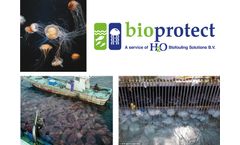
In response to the risk, we have formed a group of expert companies (H2O Biofouling Solutions, Five Oceans Environmental Services & Saltwater Environmental Engineering) that brings together experts in the fields of seawater intake system management, local marine ecology and oceanography, and cooling water system screening and engineering. This partnership has developed a ...

The hydro plants have further synergy in processes such as intake screens for coal and gas plants. With the fish ladders and other steps necessary to protect wildlife, the PacifiCorp hydro people have a number of in-house experts plus the modus operandi to work with outside testing firms. ...

Court of Appeals for the Fifth Circuit to review the final cooling water intake rule that is designed to prevent the trapping of fish and shellfish against screens, called impingement, and the drawing of fish and larvae into cooling water intake towers, or entrainment. ...
Environmental Protection Agency today announced two Great Lakes Restoration Initiative (GLRI) grants totaling almost $1.6 million for projects to protect women and children from mercury exposure through Great Lakes fish consumption. The funding will be used to improve health screening and to develop more effective fish consumption advisories. ...
Federal and state regulators have completed the first phase of environmental screenings in Chanute, Kan. The sampling includes surface water, sediment, fish tissue and limited air screenings in Chanute, Kan. ...
Cooling water withdrawals also create a water velocity at the intake pipes which traps many juvenile and mature fish against the intake screens, causing injury or death to these fish. ...

The proposal addresses impingement (trapping of fish against intake screens) and entrainment (drawing of fish into the cooling water system). ...
Environmental Protection Agency (EPA) is proposing for public comment standards to protect billions of fish and other aquatic organisms drawn each year into cooling water systems at large power plants and factories. ...
A research group led by an NYU School of Medicine scientist discovered a genetic variant that allows a fish in the Hudson River to live in waters heavily polluted by PCBs. ...
Two ocean water intake technologies have been installed at the demonstration facility. Wedgewire screens that create small eddies and move fish and other marine life away from intake pipes and a sand filtration system that simulates sub ocean floor withdrawal of intake water are both in operation. ...