
Flooded Filter Articles & Analysis
20 news found
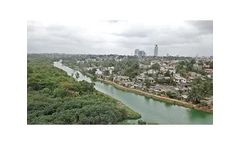
Depending on their type and location, they can filter water, slow down floods, store carbon, and provide food and shelter for countless species, including people. ...

Healthy soil improves resiliency to flood and drought, filters our water, and is an important key to improving carbon storage. ...
Marshes and wetlands significantly benefit communities and the environment. Wetlands help prevent flooding and filter pollution from stormwater runoff. They also provide food, protection, and habitat for many of our nation’s fish and wildlife species, including endangered and threatened species. ...
Millions of acres of wetlands, vital for flood control and filtering pollutants, will also again be shielded under federal law. ...
Streams and wetlands provide many benefits to communities by reducing flooding, recharging groundwater supplies, filtering pollution, and providing habitat for fish and wildlife. ...
In addition to protecting and enhancing water quality, wetlands reduce flooding, filter pollutants, and provide habitat for fish and wildlife. ...
Large volumes of stormwater pollute our nation’s streams, rivers and lakes, posing a threat to human health and the environment and contributing to downstream flooding. Green infrastructure captures pollutants by filtering stormwater through soils and retaining stormwater on site. ...
Wetlands benefit the environment by reducing flood risks, filtering pollutants, recharging groundwater and drinking water supplies, and providing food and habitat for aquatic life. ...
Wetlands also play a valuable role in recharging our groundwater and drinking water supplies, and reducing flood risks,” said EPA Regional Administrator Shawn M. Garvin. ...
Streams, rivers, and wetlands benefit the environment by reducing flood risks, filtering pollutants, recharging groundwater and drinking water supplies, and providing food and habitat for aquatic species. ...
Wetlands benefit the environment by reducing flood risks, filtering pollutants, recharging groundwater and drinking water supplies, and providing food and habitat for aquatic life. ...
Streams, rivers, and wetlands benefit the environment by reducing flood risks, filtering pollutants, recharging groundwater and drinking water supplies, and providing food and habitat for aquatic species. ...
“Wetlands reduce the effects of climate change and protect against flooding by absorbing stormwater, reduce and filter runoff that pollutes local waterways, and serve as essential habitats for fish and wildlife. ...

For instance, the creation or maintenance of natural flood plains filter the water, stabilise the water table, store CO2, provide timber and help to link up natural habitats. Their 'grey' alternative, dikes, merely prevent floods. You will remember that we have just experienced another year of damaging floods in many parts of ...
In addition, wetlands help prevent flooding in communities near Puget Sound and provide important habitat for fish and wildlife species, including endangered salmon species, migratory and resident birds, and small mammals. Wetlands are particularly important in urban landscapes because they trap, store, and slowly release surface water runoff, precipitation, groundwater, and ...
The organizations were recognized in the following categories: Organizational Leadership Award Sonoma County Water Agency The Sonoma County Water Agency provides naturally filtered drinking water, flood protection services, distribution of recycled water, recreational opportunities, and wastewater treatment to over 600,000 residents of Sonoma and Marin counties ...
The settlement requires wetlands restoration and preservation that will restore valuable wetlands functions and result in improvements in downstream water quality, improve wetlands habitats, reduce the drainage of water from adjacent wetlands, and help protect downstream areas from flooding. Natural wetlands are vital to protecting the integrity of our rivers and estuaries, and ...
"WRP does not target high quality, productive farmland, but rather it's a tool for restoring a troublesome patch of wet cropland that could have a bright future as a wetland, absorbing flooding, filtering water, and providing habitat," explained Kwasny. At the other end of the spectrum there are now WRP properties in California that were enrolled in 1992 when ...
Large volumes of polluted stormwater degrade our nation’s rivers, lakes and aquatic habitats and contribute to downstream flooding. Green infrastructure captures and filters pollutants by passing stormwater through soils and retaining it on site. ...
Economic losses from flooding disasters can be the result of both social and climate factors. ...