
Fly Ash Generated Articles & Analysis
9 news found
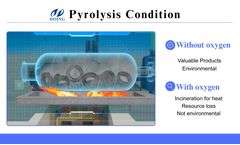
Burning uses some of the organic material to generate heat, potentially decreasing the process's overall energy effectiveness. ...

Both society and industry generate a great deal of waste. The management of all that waste is a problem for companies and institutions. Many of those wastes, especially those of municipal origin, often end up in garbage dumps. However, there are other more recommendable and sustainable management methods such as recycling, reuse or energy transformation. The European Union sets objectives and ...
ByTECAM

Georg Dirk will address the ASHTRADE Europe 2016 conference in Rome on 21st - 22nd April delivering his paper on: "Increased utilization of Fly Ash for High Performance GREEN Concrete" The conference will try to provide answers to: Outlook for fly ash trading in Europe Port and rail infrastructure legislation Expanding role ...

Municipal Solid Waste Incineration (MSWI) produces fine particles of ash, known as fly ash. This hazardous waste is generally landfilled and the search is on to find more sustainable ways of managing this waste. ...

The installation was projected to a 26.500 m3/h flow rate @ 98 ºC and will reduce grape bagasse fly ash coming from a steam generator. The expected emissions are 21 mg/Nm3 @ 11 % O2 and the system will be composed by a ø 700 mm Hurricane and a electrostatic recirculator of ø 600 ...

The characterization of mechanical property improvement with self-cementing fly ash will assist in the evaluation of the fly ash stabilized materials. ...

A belief that small hydropower systems are a source of clean energy with little or no environmental problems is driving the growing interest in mini, micro, and pico hydro systems that generate from less than 5 kilowatts up to 10 megawatts of energy. Hydropower appears to be the cleanest and most versatile of renewable energy sources. ...

Fossil fuel-fired power plants are one of the largest remaining sources of human-generated mercury emissions in the world. Currently in the United States, mercury regulations for coal-fired power plants have been enacted by many states, with federal regulations expected in the near future. ...
ByBASF

Benefits Reduced Fuel Burn, lowered CO and VOC levels, and reduced equipment corrosion Significant NOx Reduction - Meets Renewable Energy Credit Qualifications & EPA Regulations Reduced Fly Ash Generation and Disposal Costs Low to Moderate Cost of initial Capital and Lower Total “Life Cycle” Operational Costs Flexible: ...