
Refine by
Rubber Processing Articles & Analysis
125 news found

SSI Shredding Systems, Inc., based in Wilsonville, Oregon, has expanded its Uni-Shear product line with two finishers: the SR600F and SR900F. Engineered for high-volume processing, the finishers deliver refined, uniform output with particle sizes as small as 4 millimeters. ...
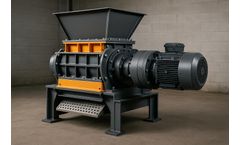
SSI Shredding Systems, Inc., based in Wilsonville, Oregon, has expanded its Uni-Shear product line with two finishers: the SR600F and SR900F. Engineered for high-volume processing, the finishers deliver refined, uniform output with particle sizes as small as 4 millimeters. ...
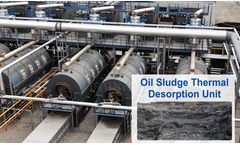
Our tire pyrolysis plant is built to handle this exact issue, processing waste tires, rubber hoses, rubber soles, and other rubber scraps efficiently. We offer both batch and continuous models, with processing capacities ranging from small-scale 100kg per day to large-scale 50TPD. ...
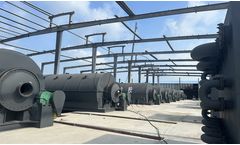
The process involves heating the rubber to a specific temperature, which varies slightly depending on the type of rubber and its physical propertie Critical Temperature Range for Rubber Pyrolysis Preheating Stage (160°C): In the initial stages of pyrolysis, the rubber is heated to approximately 160°C. ...
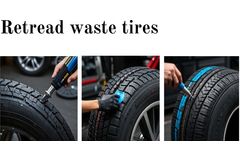
Recycling car tyres effectively requires a combination of mechanical, thermal, and chemical processes tailored to extract maximum value from their durable, rubber-based structure. ...
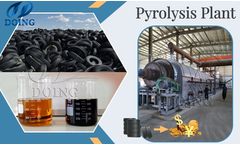
Pyrolysis is a highly efficient method for recycling rubber products, especially those that are difficult to process using conventional mechanical recycling techniques. ...

DN200 Size: This large bore size is ideal for handling the high flow rates common in fertilizer plant processes. It accommodates bulk fluid transfer while maintaining consistent pressure levels, making it a preferred choice in large-scale operations. ...
Compared to plastic or brass alternatives, stainless steel diaphragm valves perform better in high-temperature steam applications and chemically intensive processes. Versatility in Customisation: Our stainless steel diaphragm valves can be customised with a variety of linings—such as PTFE, EPDM, or rubber—to enhance chemical compatibility for specific ...
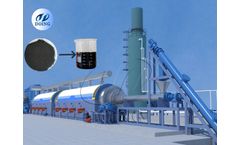
In contrast, TPCB is derived from end-of-life tires through pyrolysis—a process that breaks down rubber at high temperatures without oxygen, yielding oil, gas, steel, and carbon black. ...

This modernised process is expected to enhance efficiency while minimising environmental impact. “Transitioning to a zero-wastage process, similar to leading global standards, will result in significant savings,” said Sudarshan Varadaraj, Chairman and Managing Director of Elgi Rubber, during a recent franchisee meeting in Goa. ...

The Argentine Rubber Technology Conference, organised in collaboration with the FAIC, Federación Argentina de la industria del Caucho o(Argentine Federation of the Rubber Industry) and the SLTC, Sociedad Latinoamericana de Tecnología del Caucho (Latin American Society of Rubber Technology) is an essential event in the industrial, ...
This time, it’s a robust 3” Stainless Steel Weir-Type Diaphragm Valve equipped with a reliable C series fail-close actuator, engineered to prioritize safety and precision in your critical processes. Key Features of the 3” Stainless Steel Weir-Type Diaphragm Valve: Robust Construction: The valve body is crafted from premium stainless steel, renowned for its ...

Evonik wants to help make rubber materials from scrap tyres easier to re-use in the manufacture of new automobile tyres So far, the suitability of recycled rubber has been very limited because its chemical structure hampers interaction with new tyre materials. A team of researchers at Evonik has now made a key step forward with a process that ...
A recently granted patent (Publication Number: US11970619B2) discloses a modified asphalt composition that involves combining an asphaltic binder with a reduced-PAH pyrolysed oil fraction. The process includes pyrolysing rubber articles or rubber particles separately to obtain the pyrolysed oil fraction with a specified initial boiling point or ...
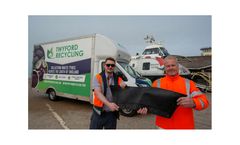
Ryan Livett, Facilities Manager at Hovertravel, explains: “The rubber material which makes up the skirts on our hovercraft degrades slightly through use over time and loses some of its natural bounce. For this reason we have a regular programme of replacement and we are always looking for a better way to recycle the used rubber.Twyford Recycling is an established company ...
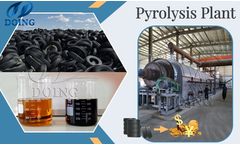
Waste rubber tire to fuel oil pyrolysis process involves breaking down rubber tire waste into smaller molecules using high temperatures in the absence of oxygen. ...
The common batch-type pyrolysis plant can pyrolyze 100KG-20 tons of waste tires in one furnace. For this type, it can process waste tires directly without any treatment. The hot selling processing capacity in the market is 10 tons and 15 tons. ...
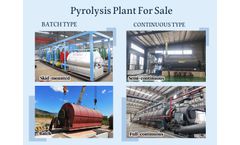
Our machines have a capacity ranging from 100KG per batch to 50 tons per day per set. They are suitable for processing plastic, old tires, rubber products, oil sludge, coal tar, aluminum plastic, and more. ...
Rubber products, including tyres, undergo aging processes accelerated by factors such as oxygen, light, and heat, leading to oxidation. Lignin is a renewable material, derived from certified eucalyptus forests that acts as a protective agent when added to the rubber compound. The use of Lignin extends tyre life by 10% by slowing the aging ...
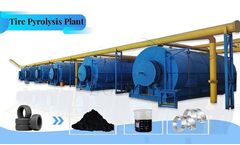
The waste rubber tire pyrolysis plant has gained popularity for several reasons. ...