
Refine by
Soil Amendment Articles & Analysis
97 news found
This process produces a nutrient-rich material that can be used as a soil amendment in agriculture and horticulture. However, composting may not be suitable in areas with high chloride content in the sludge, as seen in Hong Kong. 2. Land Application (Biosolids): Dewatered sludge can be spread on agricultural land, acting as a soil conditioner and ...

In the 10th century A.D., when Baghdad’s libraries were lit by candlelight and the books it housed were penned with the ink of philosophers, a peculiar manuscript began its quiet journey through history. The Nabataean Agriculture, attributed to the Nabataean translator Ibn Wahshiyya, is part farming manual, part cosmic scripture and part poetic reverie. It claims to be a translation of a ...

It prepares these loads for recycling and transfers the organic content to MBC for conversion into renewable energy and nutrient-rich soil amendments through the AD process. “MORC represents a strategic expansion of our infrastructure that enables BTS Bioenergy to better serve the food distribution sector while advancing our mission of landfill ...
The companies are partnering on an innovative recycling program that processes food and beverage products that can’t be sold or donated into renewable energy and soil amendment. “This collaboration represents a meaningful step in advancing our sustainability objectives by reducing environmental impact, strengthening compliance, and driving greater ...
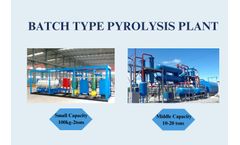
Pyrolysis, however, recycles materials into usable products: Carbon black: A stable carbon-rich byproduct used as soil amendment, carbon sequestration, or fuel. Pyrolysis oil: A liquid fuel blend that can be refined into diesel, gasoline, or industrial solvents. ...
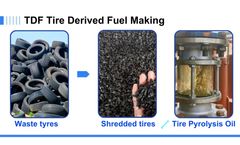
Repurposed in batteries, pigments, or as a carbon source in agriculture (e.g., soil amendment). 3. Gaseous Products Gas: Composed mainly of hydrocarbons like methane, ethane, propane, and butane, as well as smaller amounts of hydrogen and carbon monoxide. ...
Jenfitch, Inc. has gained US Environmental Protection Agency (EPA FIFRA) and USDA Organic Standard (7 CFR Part 205) approval to use its’ proprietary sodium oxychloride formulation, JC 9465, that works even more effectively than ozone as a crop production aid, disease, and pest control aid, fertilizer and soil amendment aid, livestock production aid and ...
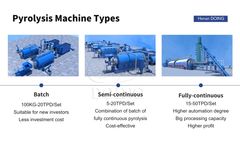
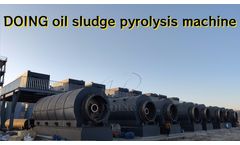
The solid residues, which may contain carbon - rich char, can be used for various purposes, such as soil amendment or as a fuel in some cases. Advantages of DOING pyrolysis equipment Waste reduction: It significantly reduces the volume of waste, helping to alleviate the pressure on landfills. ...

Golden State Restaurants is a locally owned and operated family company, partnering with McDonalds to offer restaurants in the California counties of San Joaquin, Sacramento, Stanislaus and Amador. This important cornerstone of their community does so much more than offer quality food and customer experience at an affordable price. Like Harmony, Golden State Restaurants’ core values reflect ...
Middlebury’s advanced technology is designed to accommodate high-strength organic waste from food and beverage manufacturers. Local stakeholders attend ribbon cutting event. PurposeEnergy, a renewable fuels and biogas specialist focused on waste solutions for the food and beverage industries, today announced the grand opening of its Middlebury renewable energy facility at a ceremony held ...

As one of the most popular alcoholic beverages in the world, wine has certainly enjoyed a rich and illustrious history over the centuries, with its origins dating back thousands of years to 6000 BCE and Mesopotamia (now Iraq and Iran), where the very first vineyards were established and the very first wines produced. Since then, global wine consumption has gone from strength to strength, with an ...
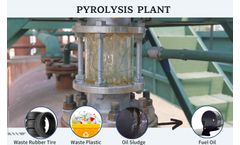
Biochar is used for applications such as soil amendment in agriculture, carbon sequestration, and as a component in the production of activated carbon. 5. Environmental Remediation: pyrolysis machine can be employed for the treatment and remediation of hazardous materials, such as contaminated soils or oil sludge. The process can help remove or ...
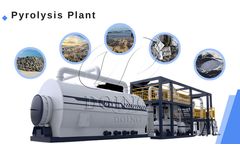
By heating the sludge under controlled conditions, it can be transformed into biochar that can be utilized as a soil amendment. 4. Wood: Organic waste such as agricultural residues, wood chips, and sawdust can be processed through pyrolysis. ...
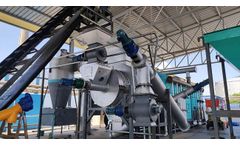
By harnessing the power of coconut shell charcoal, farmers can not only improve soil quality but also boost crop yields in an eco-friendly and cost-effective manner. ...

Charcoal has long been a valuable resource in agriculture, contributing to soil enrichment and energy generation. However, recent advancements in charcoal making machine has revolutionized its role in agricultural development. This article explores the significance of charcoal in agriculture, the evolving technology behind charcoal making machines, and the multifaceted impact on ...
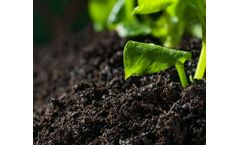
The detrimental impact of pollutants on soil quality and plant health necessitates innovative solutions. Enter biochar, a potent amendment derived from the pyrolysis of organic materials, which not only fosters soil remediation but engenders transformative changes that ripple across the ecosystem. ...
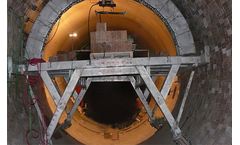
Biomass and Biochar Kilns: Biomass and biochar kilns are used to convert organic materials like wood chips, agricultural waste, and sewage sludge into biochar, a valuable soil amendment that enhances soil fertility and carbon sequestration. ...
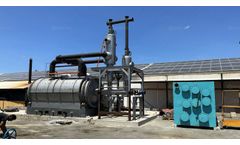
Additionally, char, a solid byproduct of pyrolysis, can serve as a high-quality soil amendment, enhancing agricultural productivity. Furthermore, investing in a pyrolysis plant can stimulate local economic development by creating job opportunities and fostering partnerships with waste suppliers, end-users, and research institutions. ...
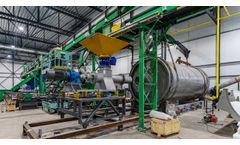
Residential units can utilize the biochar produced in the process as a soil amendment or as a clean-burning fuel for cooking and heating. ...
The environmental governance product portfolio offered by Alfa Chemistry: l Water treatment chemicals, including: antiscalant and dispersant, flocculant, biocide and algicide, demulsifier, decolorizer, corrosion inhibitor, and reverse osmosis chemicals l Air treatment products, including: catalyst, catalyst active ingredient, catalyst substrate, and catalyst coating l Soil ...