
Refine by
Soil Pathogen Articles & Analysis
20 news found

Validating the strength and efficacy of the product, the company’s global field trial program with Evoca now encompasses more than 600 independent and company-driven field and greenhouse trials across multiple seasons, regions, climates, soil types, production types, pathogen pressure and crops. Earlier in May 2022, Evoca’s active ingredient received ...

This is usually done with the help of the micro-organisms present mostly in the soil. The final pathogen-free product or the substance that we get is called compost. ...
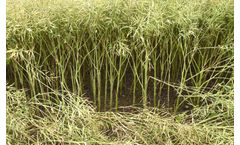
Corteva’s trials show that when sclerotinia infection is at 25% or above, the severity of the disease in PT303 is reduced by up to 75%. With the sclerotinia pathogen remaining in the soil for up to eight years in some cases, Seeds & Inoculants Manager Andy Stainthorpe says PT303 is a good option for farmers looking to add a layer of ...

” Although using a hydroponics system may eliminate soil borne pests, there are other pathogens that spread through water. Pathogens and other water bacteria are a cause for concern in water quality. ...

Where did 2017 go? Now that we are well into the New Year of 2018, this is the year I hope to be making even higher quality compost to spruce up my garden this spring. This article will be dedicated to the use of biochar as a “carbon” source for making the highest quality compost consisting of all the nutrients plants require and teaming them up with beneficial microbes (bacteria ...

Plants also grew much better in salty soil, a by-product of drought, the researchers found. The results of the study were published last month in Scientia Horticulturae. ...

It is the market’s most effective SDHI chemistry offering broad-spectrum control of damaging foliar diseases and soil pathogens as well as significant resistance management benefits. ...
BySyngenta

Combining steam with heat-producing chemicals could control pathogenic viruses in soil, finds new research. The study examined how effective different forms of heat sterilisation of soil were at inactivating three plant viruses. ...

Capturing a frenzy, in microseconds Buie and Joung conducted roughly 600 experiments on 28 types of surfaces: 12 engineered materials and 16 soil samples. In addition to acquiring commercial soils, Joung sampled soil from around MIT’s campus and along the Charles River. He also collected sandy soil from Nahant Beach in ...

Soil solarization, a process that uses solar radiation to rid the soil of pests, is most common in regions with high solar radiation and high temperatures during the summer season. ...

The product is used in a variety of crops such as oilseed rape, sunflowers and various vegetable crops and pulses, as a soil treatment product in the open field or in greenhouses. Contans™ WG contains the highly active spores of the soil fungus Coniothyrium minitans (strain CON/ M/91-08), which effectively attacks the surviving structures (sclerotia) of the ...
The researchers also conducted a further experiment in order to understand why the impacts of this invasive plant had declined. They took soil samples from 20 of the sites and sterilised half of these to kill any pathogens, so that there were sterilised and unsterilised samples from each site. ...

The label expansion includes new soil applications, instructions for yield improvement in corn and soybeans, along with additional crops and target pathogens. ...

Two key applications of nanotechnology are particularly relevant: sensing technology designed to alert growers and others in the agricultural community to soil, moisture, nutrient, pathogen, and related conditions pertinent to growing crops, and nano-enabled technologies intended to enhance performance by improving the delivery of nutrients and agricultural ...

Soil Grand Challenges Climate Change. Determine the mechanisms controlling greenhouse gas emissions from organic soils, particularly tundra and permafrost soils, and identify methods to control these emissions. Food and Energy Security. Elucidate site-specific soil management solutions that maximize soil ...
The research team, composed of scientists from the USDA-ARS Crop Science Research Laboratory at Mississippi State, tested soils inside and outside fields of five farms on twenty different soils types. ...
Richard Ferguson is a professor of soil science and extension soils specialist in the Department of Agronomy and Horticulture, University of Nebraska. ...
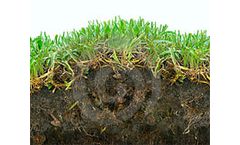
New research reveals that soil pH is a useful guide for farmers and agronomists to detect and manage soybean cyst nematode, a devastating soybean pathogen. The investigation uncovered a relationship between high soil pH, which is already outside the ideal growing conditions for soybean, and high populations of cyst nematodes. ...

Soil quality issues are being researched within two crop rotation experiments that started in 1994 at Narrabri. ...
On Sept. 25, EPA received a letter signed by 54 scientists who oppose the registration of iodomethane as a soil fumigant, citing potential human health and environmental concerns, and requesting additional peer review. ...