
Refine by
Soy Bean Articles & Analysis
13 news found
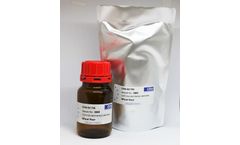
It complements previously produced CRMs for high water content vegetables (cucumber, ERM-BC403), high oil content and very low water content seeds (soy beans, ERM-BC700), eggs (ERM-BB125), milk and milk products (BCR-187 and BCR-188) and fat from food of animal origin (ERM-BB430). ...
Class A material is primarily used for agronomic benefit on area farms as natural fertilizer for crops like corn, wheat and soy beans. The Class A biosolids help area farmers offset the need for commercial fertilizers which are derived in part by burning fossil fuels or mining of minerals. ...

The new genetically modified (GM) soy bean GTS 40-3-2 soya was developed by Monsanto (US) with the unique identifier code MON-Ø4Ø32-6, trade mark Roundup ReadyTM soybean, as a transgenic herbicide tolerant crop. ...

This implies that over 70 million tonnes of cereals would become available for human consumption, while imports of soy bean meal could be reduced by 75%. Moreover, 23.7 million hectares of land previously used as pasture and to grow fodder would become available for other uses. ...

Read also: Will the Niger Delta Shrivel Up due to climate change and water use upstream? Soy production and wetlands Soy is one of the most important agricultural commodities in the world, used for animal feed fulfilling the meat demands in the world (70%), for biodiesel and for various food products. ...

Under the agreement, Fanrunsi will have exclusivity in China as a buyer of LiqTech's products for soy bean protein recovery (bio tech) and soy bean waste water treatment. ...

Table of Contents Published By 2 Copyright Notice .2 Table of Contents 3 List of Figures 7 List of Tables .11 1 Executive Summary .15 2 Introduction .17 3 First generation biofuels .21 3.1 Ethanol (Bioethanol) 21 3.1.1 Corn .22 3.1.2 Sugar beet 23 3.1.3 Sugar cane 23 3.1.4 Sorghum 25 3.2 Biodiesel 26 3.2.1 Palm oil 26 3.2.2 Soy beans ...
PRODUCT OVERVIEW II-12 Soy Chemicals II-12 Methyl Soyate II-12 Chemical and Physical Properties II-12 Market Applications of Methyl Soyate II-13 Soy Lecithin II-13 Functional Benefits II-14 Application Areas II-14 Soy Polyols II-15 Benefits and Application II-15 Soy Isoflavones II-15 Benefits and Application II-16 ...

Crude palm oil, various waste and by-products (waste animal fat, stearin, and palm fatty acid distillate), together with rapeseed oil and soy bean oil, are currently used as feedstocks. Neste Oil Corporation Hanna MaulaDirector, Corporate Communications Further information:Petri Lehmus, Vice President, Research and Technology, tel. +358 (0)10 458 3150 Neste ...
In addition, Neste Oil continues the research related to introducing the currently available raw materials, such as soy bean oil, waste oils from the fish processing industry, used cooking oils, and tall oil, to its raw material base. ...
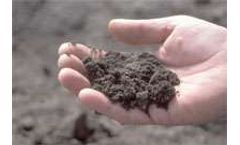
Iron deficient soils in the North Central United States are estimated to reduce soy bean production by 12.5 million bushels every year. John Wiersma, a researcher at the University of Minnesota Northwest Research and Outreach Center at Crookston, concluded a study examining the effect of nitrogen based fertilizers on soybean crops grown in iron deficient soil. ...

We are proud that EOS® plays a small part in this ambitious environmental program. As soy-bean based products, EOS®, AquaBupH™ and other EOS Remediation products fit squarely within the U.S. ...
Plants have been used to produce plastics for some time, with plastics made from plant starches and soy protein. However, scientists have recently genetically modified a plant, Arabidopsis thaliana, so that it produces an organic 'plastic' that is similar to polypropylene, a common form of plastic. ...