
Wine Testing Articles & Analysis
9 news found
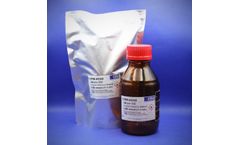
The wine industry faces significant threats from authenticity, adulteration and fraud, particularly through the illicit addition of exogenous sugars to grape must to artificially boost alcohol content. ...
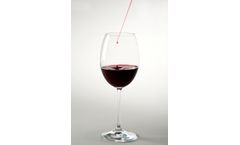
Counterfeiting of wine is a world-wide issue, affecting consumers as well as damaging wine producers and public authorities through loss of tax and duty revenues. Specific analytical measurements are needed to verify the authenticity of wines. The JRC has released a standard that is essential for executing these measurements according to official methods adopted by the International Organisation ...

Visitors to the stand can meet Eaton’s experts to learn more about how to increase efficiencies throughout the wine production process while helping wine retain its color and taste. ...
A reduction of your yearly overall reagent costs in sewage plants by saving some of the reagent costs for COD, Nitrate and Nitrite using instant and direct readings of the sample in a quartz cell for quick checks and retainer testing. Besides OptRF, the new photoLab® 7000 Series is offering universal analytical options from water to wine, from education to ...
Shelf appeal Two innovations that positively impact shelf appeal are Aqua Opaque, a solution for the wet opacity issues in Wine & Spirits labels (ice bucket test); and AeroDress, a pressure-sensitive solution for aerosols, which opens up new markets for converters as it helps brand owners increase flexibility for late stage differentiation and reduce ...

Halo is ideal for food handling laboratories where lingering odours can effect test results; wine tasting and tea blending, blending perfumes where the raw materials contain alcohols, histology laboratories, microbiological labs, etc. ...

Turn off all non-essential lights. Hold a blind taste testing for beer, wine, and cheese. Roast some S’mores and tell ghost stories. ...
High Levels of Lead and Cadmium Prompt Recall of Ceramic Wine Goblets EMSL Analytical offers quality testing for lead and cadmium in consumer products An Illinois-based company is recalling ceramic wine goblets sold nationwide, because they contain more leachable lead and cadmium than the Food and Drug Administration (FDA) considers safe. ...
This is causing wineries considerable difficulty in accurately scheduling harvests to maximise the wine-making potential of some grape varieties. “We discovered that the application of certain plant-growth regulators can delay berry ripening,” CSIRO Plant Industry’s Dr Christopher Davies said. ...