
Refine by
Structural Grid System Equipment & Supplies
6 equipment items found
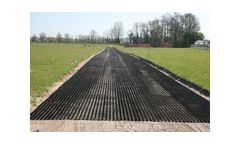
Manufactured by:GreenBlue Urban Ltd. based inBodiam, UNITED KINGDOM
Invented in 1992, GrassRings were the world’s first structural soil modules introduced to the market. This system was the model for all further soil cell modules created. Now, GrassRings (& GravelRings) are used as a structural grid system to stabilize and reinforce grass and ...
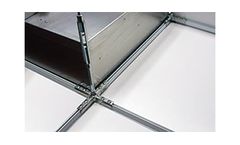
Manufactured by:Envirco based inSanford, NORTH CAROLINA (USA)
The Envirco cleanroom ceiling solution, a 2” Gasket Seal Grid Cleanroom Ceiling System, is fabricated using superior materials to provide a structural grid system and to include zinc alloy die-castings. The building block of a cleanroom ceiling grid system is the connection ...
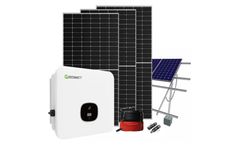
Manufactured by:Honunity Technology based inQuanzhou, CHINA
Roof Mount/Ground Mount Photovoltaic Energy 3KW/5kW/8kW/10KW/15kW 3 Phases on-Grid Solar Power System. Standard grid-tied solar systems include: Solar Module, Grid-tie inverter, mounting structure and accessories. On grid system with grid access ...
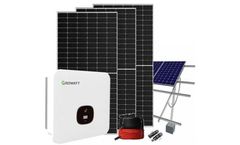
Manufactured by:Honunity Technology based inQuanzhou, CHINA
Roof Mount/Ground Mount Photovoltaic Energy 7kw/8kW/9kw/10kw on-Grid Solar Power System Single Phase. Standard grid-tied solar systems include: Solar Module, Grid-tie inverter, mounting structure and accessories. On grid system with grid access ...
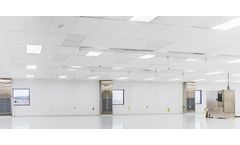
Manufactured by:PortaFab based inChesterfield, MISSOURI (USA)
PortaFab offers multiple ceiling options to meet the specific needs of virtually any application. From basic systems that provide a clean, cost-effective solution to more functional load-bearing and structural systems, our team can outfit your space with the best option for your needs. ...

Manufactured by:WeatherSolve Structures Inc. based inAldergrove, BRITISH COLUMBIA (CANADA)
Wind causes erosion, transports dust, spray, and other pollution. Wind also restricts plant growth, damages plants and buildings, and reduces efficiency of heating systems. Windbreaks or wind shelters are used in agriculture for two distinct types of reasons. The first is the obvious macro-effect of reducing the power of the wind which in turn reduces the mechanical fruit or tree damage. Note ...