
Show results for
Refine by
Locations
- Africa
- Algeria
- Angola
- Benin
- Botswana
- Burkina Faso
- Burundi
- Cameroon
- Cape Verde
- Central African Republic
- Chad
- Comoros
- Congo
- Congo, Democratic Republic Of The
- Djibouti
- Egypt
- Equatorial Guinea
- Eritrea
- Ethiopia
- Gabon
- Gambia
- Ghana
- Guinea
- Guinea-Bissau
- Ivory Coast
- Kenya
- Lesotho
- Liberia
- Libya
- Madagascar
- Malawi
- Mali
- Mauritania
- Mauritius
- Morocco
- Mozambique
- Namibia
- Niger
- Nigeria
- Rwanda
- Senegal
- Seychelles
- Sierra Leone
- Somalia
- South Africa
- St. Helena
- Sudan
- Swaziland
- SãO Tomé & PríNcipe
- Tanzania
- Togo
- Tunisia
- Uganda
- Zaire
- Zambia
- Zimbabwe
Sub Soiling Equipment Supplied In Africa
4 equipment items found
Premium
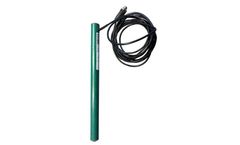
Manufactured by:KISTERS AG based inAachen, GERMANY
EnviroPro are fully encapsulated soil sensors for meaningful crop selection, irrigation and fertilisation decision making. The multi-function and multi-level subsurface instruments offer continuous reliable and repeatable monitoring of soil moisture, temperature and salinity (EC)*. With salinity and temperature compensated moisture readings, EnviroPro soil probes provide accurate data for better ...
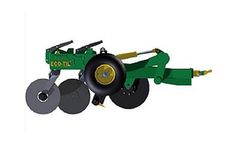
Manufactured by:Savannah Global Solutions based inPembroke, GEORGIA (US) (USA)
Eco-Til is a patent pending High Impact, Minimal Tillage technique used when mounted behind a sub-soil plow and closes the rip-line and thoroughly fractures soil without any inversion. This technique uses offset coulters mounted in a Stump Jump™ configuration to harness the effect of lateral forces that thoroughly break ...
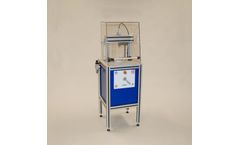
Manufactured by:Royal Eijkelkamp based inGiesbeek, NETHERLANDS
In many land use systems all over the world soil deformation is a major problem due to increasing land use intensity. On arable soils machine traffic is continuously intensified with respect to load and wheeling frequency leading to (sub-)soil compaction and deeper soil degradation concerning hydrologic or ...
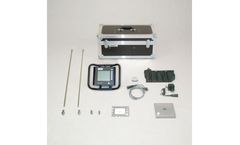
Manufactured by:Royal Eijkelkamp based inGiesbeek, NETHERLANDS
The resistance to penetration is a means of determining the ground load-bearing capacity, and the ease with which roots will grow through the ground (important when agricultural, rural- and civil engineering techniques are involved). The resistance to penetration is a mechanical characteristic that, given a certain texture, depends on changing parameters such as degree of humidity, density and ...