
- Home
- Applications
- sludge aerator
Refine by
Sludge Aerator Product Applications
6 applications found

Respiration rate of activated sludge has been recognised as a key controlling element in the modelling of process control, by the International Water Association Task Group. Actual respiration rate of the sludge in the aeration tanks, as well as the endogenous and maximum respiration rates are variables that indicate the rate of BOD removal and aeration requirements. ...
ByStrathkelvin Instruments Limited based in North Lanarkshire, UNITED KINGDOM
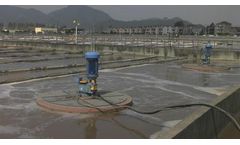
An efficient and stable activated sludge treatment process that uses pure oxygen aeration to activate sludge for applications such as the removal of persistent substances or the reduction of biochemical oxygen demand ...
BySunkaier based in Dingshu, Yixing, CHINA
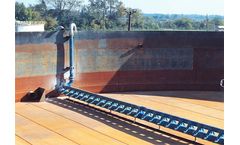
Activated sludge tank using jet aerators in 150 ft diameter ...
ByMixing Systems, Inc. based in Dayton, OHIO (USA)
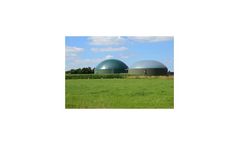
AQQA is used in biogas plants to: separate the sludge from the liquid phase. work directly in the anaerobic sludge with methane gas aeration. work in an aerobic membrane bioreactor, that is installed after the anaerobic treatment ...
ByWeise Water GmbH based in Hennigsdorf, GERMANY
At a fundamental level, the process of treating wastewater is relatively simple. Oxygen, bacteria and pollutants are mixed in order to degrade pollutants and yield clean water. This is the basis of the highly reliable activated sludge process which was discovered in 1914 by Ardern and Lockett. Similar processes are already present in nature; for example, river systems naturally replenish their oxygen rich environment to sustain aquatic life and good water quality, which is in many ways similar to the activated ...
ByVorTech Water Solutions Ltd. based in Galway, IRELAND
If industrial wastewater entering a treatment works contains toxic components the rate of biodegradation will be inhibited or stop completely. This can result in failed consents and will certainly give rise to operational problems. Visible indications include deflocculation, bulking and the appearance of filamentous bacteria. Sometimes, there are no visible effects. When the sludge bacteria are inhibited, there is the possibility of toxicity carryover in the effluent that is discharged to receiving waters. With ...
ByStrathkelvin Instruments Limited based in North Lanarkshire, UNITED KINGDOM