
Refine by
Sludge Aerator Articles & Analysis
132 articles found
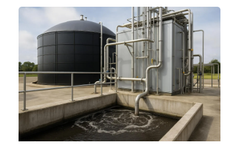
Larger basins, longer hydraulic retention times, and increased sludge handling follow, elevating capital and operating costs. At higher food-to-microorganism ratios, sludge production also rises, affecting disposal and handling costs. ...
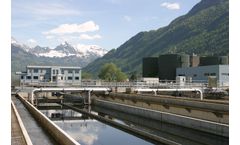
Treatment systems can be activated-sludge plants, trickling filters, lagoons, membrane bioreactors, etc. ...

” Turnover is when the water warms in the spring, lifting the compact sludge up. Their large lagoons were about 6ft deep with around 2ft of sludge. They have no aeration but enough wind action to give it white caps. They need to minimize the sludge buildup, but like every city they were on a budget. ...
Introduction The City of Monticello, Indiana operates an extended aeration activated sludge treatment system to handle 1.6 MGD of flow. Up until 2019, the city had relied upon chlorination to control foaming caused by FOG filaments, specifically Microthrix parvicella. ...

Tertiary Treatment Filtration: Removes remaining solids through sand filters or pressure filters Disinfection: Chlorination, UV treatment, or ozone is used to kill pathogens Reverse Osmosis (RO) or Ultrafiltration: Used for advanced purification, especially when water reuse is required 5. Sludge Management Sludge Thickening and Dewatering: Removes excess water ...

The two main types of biological treatment are:Aerobic Treatment: Involves introducing oxygen into the wastewater to support aerobic bacteria, which decompose organic matter. Aeration tanks and activated sludge processes are commonly used methods. ...
Solution MABR system can potentially reduce up to 75% energy consumption compared to conventional activated sludge using bubble-based aeration. Energy reduction They were seeking a solution that reduced their energy consumption while also benefiting their customers, their business and the wider environment. ...
Problem: Broken diffused aeration system allows sludge buildup of 7' along one side of ...
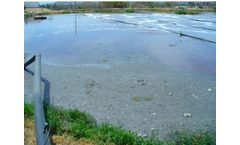
The segmented lagoon system for the waste facility is over 20 years old and utilizes a linear fine bubble aeration system. Over the years some of the diffusion hose and aeration equipment quit working for various reasons and sludge built up on the outside edges of the lagoons, resulting in short circuiting. ...
Of course, this is because the solids entering the lagoon have enough weight to fall out of the water as flow velocity is reduced, so the solids pile up just after entering the lagoon. Sometimes these sludge islands will build very near a surface aerator because the violence of the aerator will either drop sludge out after ...
But, over time, the highest cost in maintaining a compliant waste lagoon, or system, is de-sludging the collected waste in the system. No matter if the lagoon(s) are facultative (no mechanical aeration), or aerated, sludge will build up in the lagoon, eventually requiring removal. ...
Lagoons are some of the oldest and simplest methods of treating wastewater. While new technologies and techniques have been developed over the years, lagoons remain prevalent in many municipalities and industries throughout the world. This may be changing with ammonia, phosphorus, and BOD regulations continuing to become stricter, lagoon technologies may be quickly becoming outdated. Ammonia ...
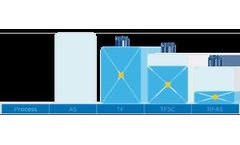
Most trickling filters rely solely on natural draft ventilation to supply aeration. This means the oxygen required for the process requires no large blowers or aeration system. ...
Cold temperatures and biocides are two things that often cause challenges for wastewater operators. While on their own, both challenges can typically be managed through plant operation. However, if both of these stressors are impacting a system at the same time, will their impacts combine to create an epic wastewater catastrophe? ...
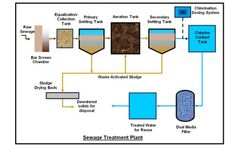
The water is then released, leaving behind a sludge/slurry. The sludge is a by-product of primary treatment and can sometimes be repurposed as a fertiliser, but it requires treatment such as de-watering to stabilise it. Incineration is the most likely destination for heavily contaminated sludge. Secondary treatment ...

The sludge in the membrane tank activated sludge needs to be returned or discharged periodically. The function of the membrane is to trap large particles, not to provide a place for sludge to grow. The removal of COD in membrane tanks relies mainly on activated sludge. Aeration is performed in the membrane tank ...

Material Wet sludge Industry Aerating, Composting, Crushing, Mixing, Screening Application Aerating Function Aerating, Composting, Crushing, Screening, Mixing Model ALLLU Transformer DS 4-23 screener crusher with XHD60 blades PROBLEM Wet, lumpy contaminated sludge material was causing delays ...
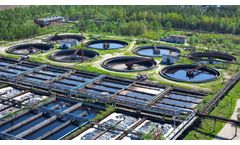
In domestic wastewater treatment applications, the largest proportion of energy is utilized in the biological aeration process. This energy usage in the aeration process is typically in the range of about 50 - 60% of overall plant usage. ...
These pits contained a mixture of drilling muds and produced water containing high concentrations of crude oil. The sludge had high water content and required aeration to provide oxygen for the bioremediation. A pressurized perforated air hose was placed in the bottom of the excavations to deliver ambient air to the sludges. The ...
The disadvantage is that a large amount of activated sludge will be produced, and the sludge must be treated, which lengthens the treatment process, increases engineering costs, and causes secondary air pollution during the aeration process. ...