
- Home
- Applications
- mauritius
- sample dilution
Show results for
Refine by
Sample Dilution Product Applications In Mauritius
6 applications found
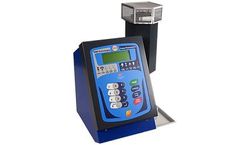
This method reduces or removes potential interference from sodium, potassium and phosphates normally present in serum and urine by diluting the samples with a diluent containing ethylenediaminetetraacetic acid ...
ByBWB Technologies Ltd. based in Newbury, UNITED KINGDOM
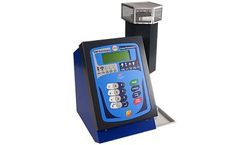
These methods are adapted from methods for the determination of sodium and potassium in fatty-acid methyl ester samples. The sample is diluted with an organic solvent (xylene, cyclohexane or petroleum ether) plus a stabiliser. The calibration standards which have a similar matrix to the prepared sample solutions, are prepared from sodium and potassium organometallic salts which are dissolved in a solution of xylene with a stabiliser. ...
ByBWB Technologies Ltd. based in Newbury, UNITED KINGDOM
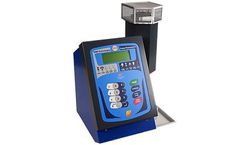
Cheese was wet ashed with a combination of acid and a high temperature oven to form a dissolvable product ready for analysis via flame ...
ByBWB Technologies Ltd. based in Newbury, UNITED KINGDOM
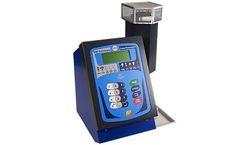
Several different techniques can be used for sample digestion and extraction of sodium and/or potassium: oven ashing, perchloric acid ashing, extraction by boiling and acidification with HNO3 as well as extraction by homogenisation in 2% trichloroacetic acid (TCA). ...
ByBWB Technologies Ltd. based in Newbury, UNITED KINGDOM
Wine is of particular interest nutritionally because it is typically low in sodium and relatively high in potassium. Sodium is the predominant cation in breakfast cereals, at levels reaching 8mg/g. Potassium and calcium also vary, particularly in wheat-based products and those enriched with milk products or calcium ...
ByBWB Technologies Ltd. based in Newbury, UNITED KINGDOM
Bread contributes about one-sixth of daily salt intake and is used to improve flavour and texture. The amount of sodium in bread can differ significantly, depending upon brand and type of grain used, ranging from 592mg/100g to 748mg/100g. The level of sodium in bread is primarily due to the amount of salt added to the dough during manufacture. The amount of potassium is determined by the type of flour and the washing and bleaching operations during cereal processing. Bread does not make a significant contribution ...
ByBWB Technologies Ltd. based in Newbury, UNITED KINGDOM